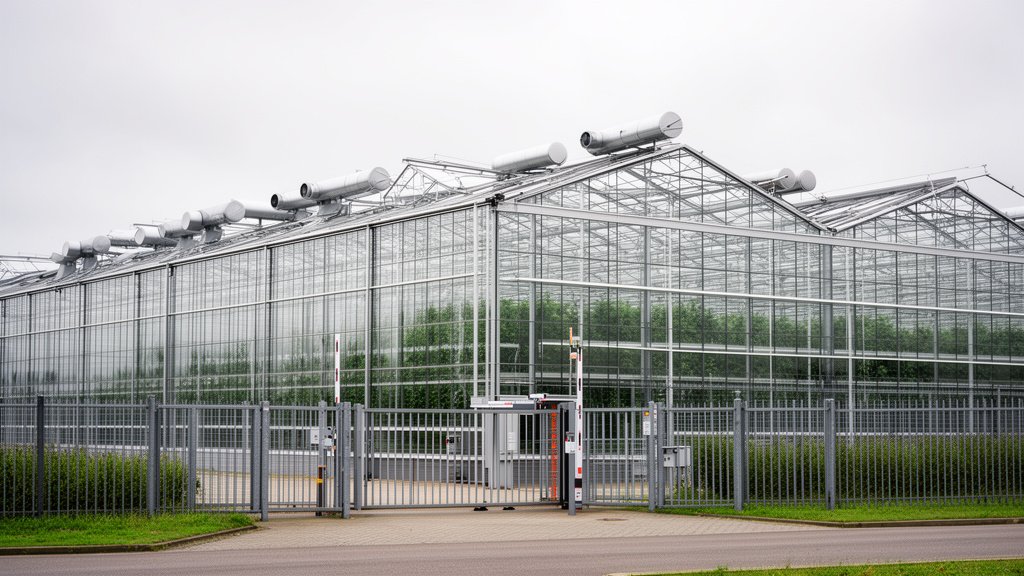
The Netherlands, long celebrated for its unique approach to cannabis, is undergoing a profound transformation in 2025, moving from a policy of mere tolerance to a meticulously regulated cultivation framework. This significant shift, embodied by the ‘Closed Coffee Shop Chain Experiment’ or ‘Wietexperiment,’ is reshaping how cannabis is grown, distributed, and sold, pushing cultivators towards advanced technology and sustainable practices.
The Legal Landscape Shifts: From Tolerance to Regulation
For decades, Dutch coffeeshops operated under a paradoxical system: the sale of cannabis was tolerated, but its cultivation and supply remained illegal, leading to the infamous ‘backdoor policy.’ This grey area fostered inconsistencies in product quality and supply, and, critically, fueled organized crime. In a landmark move, as of April 7, 2025, coffeeshops in ten participating municipalities – including Arnhem, Almere, Breda, Groningen, Heerlen, Voorne aan Zee, Maastricht, Nijmegen, Tilburg, and Zaanstad – are now mandated to source their cannabis exclusively from government-authorized cultivators.
This multi-year experiment, overseen by the Ministry of Justice and Security with research by bodies like RAND Europe and the Trimbos Institute, aims to evaluate the feasibility of a fully regulated supply chain. The goal is to enhance public health, safety, and reduce crime by ensuring transparent, quality-controlled production. While the transition has presented challenges, particularly concerning the consistent supply and variety of regulated hashish, which saw a temporary non-enforcement period until at least June 10, 2025, the overall momentum is towards a professionalized, quality-driven cannabis sector.
Pioneering Cultivation: Trending Technologies and Tools
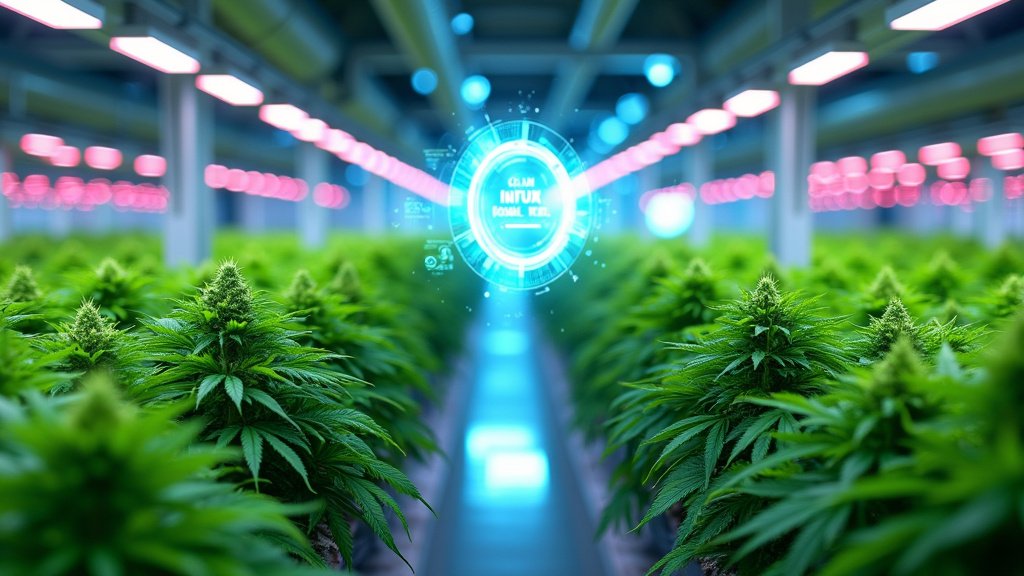
The move towards regulation is spurring significant investment in cutting-edge horticultural science and technology, a trending imperative for Dutch growers aiming to optimize yield, flavor, and potency. Modern cannabis cultivation in 2025 is increasingly reliant on sophisticated tools and equipment:
* Automated Climate Control Systems: Smart sensors and IoT (Internet of Things) devices are paramount, enabling real-time monitoring and precise adjustments of temperature, humidity, and CO₂ levels. This level of environmental control is crucial not only for maximizing plant health and growth but also for proactively preventing common issues like powdery mildew and botrytis.
* Advanced Nutrient Delivery and Hydroponics: Cultivators are adopting advanced organic and synthetic growth media combined with automated nutrient delivery systems to ensure consistent and optimal plant nutrition. Deep Water Culture (DWC) systems, for instance, are gaining traction for their ability to promote faster growth and higher yields by immersing roots directly in oxygenated, nutrient-rich water.
* Energy-Efficient LED Lighting: The evolution of LED grow lights continues to revolutionize indoor cultivation. Growers are utilizing advanced LED fixtures that offer precise spectrum control, lower energy consumption, and reduced heat output compared to traditional systems. Brands like Mars Hydro and Spider Farmer are offering highly efficient models for 2025, with a growing interest in under-canopy lighting to boost overall yields.
* Integrated Pest Management (IPM): With a focus on product safety and environmental responsibility, IPM techniques are essential. These proactive strategies prioritize non-chemical solutions, employing biological controls (such as beneficial insects), meticulous monitoring, and creating environments unfavorable to pests and pathogens. This approach is critical in the regulated market where pesticide use is heavily restricted.
* AI and Predictive Analytics: Data-driven cultivation is becoming a reality. AI-powered systems analyze data from sensors and cameras, providing growers with actionable insights to make informed decisions that can lead to superior yields and quality. Smart grow systems, often controllable via mobile apps, allow for remote monitoring and automation of various cultivation parameters.
A Commitment to Sustainable Cultivation
Sustainability is not merely a buzzword but a core pillar of modern Dutch cannabis cultivation. As the industry scales, minimizing environmental impact and reducing operational costs are key drivers:
* Water Conservation and Recycling: Given the water-intensive nature of cannabis, advanced water reclamation systems are crucial. These systems capture and purify runoff and waste water, allowing for multiple reuse cycles. Techniques like reverse osmosis and evaporation/distillation are employed to ensure water quality, significantly reducing fresh water consumption and environmental discharge. Rainwater harvesting and capturing A/C condensate also contribute to this effort.
* Energy Efficiency and Renewable Sources: Reducing the energy footprint of indoor grow operations is a priority. This involves not only the adoption of energy-efficient LED lighting and improved HVAC systems but also exploring renewable energy sources and optimizing overall facility design for energy conservation.
* Sustainable Waste Management: Discussions are ongoing within the regulated framework regarding greener options for cannabis waste disposal, moving towards more environmentally friendly methods like composting, though current national protocols pose some limitations.
The Economic Horizon and Future Outlook
This transformative news signals a significant economic shift. The Netherlands cannabis cultivation market, valued at USD 785.4 million in 2022, is projected to reach an impressive USD 4,182.2 million by 2030, reflecting a compound annual growth rate of 23.3%. This growth underscores the increasing professionalization of the sector, moving it from a grey market to a legitimate industry with strict quality assurance and supply chain control. The Dutch experiment, with its emphasis on regulated production and sustainable practices, could well serve as a vital model for other European nations considering similar cannabis reforms, shaping the future of cultivation across the continent.
In essence, 2025 marks a pivotal moment for Dutch cannabis cultivation, characterized by a regulatory overhaul and the widespread adoption of cutting-edge technology and sustainable methodologies. This comprehensive approach aims to establish a robust, responsible, and high-quality cannabis industry, blending deep-rooted horticultural expertise with forward-thinking innovation.