Proposed Federal Cannabis Safety Standards Stir Industry Debate
Washington D.C. — The simulated Federal Cannabis Safety Administration (FCSA) has unveiled a comprehensive set of proposed safety standards specifically targeting key equipment utilized in cannabis processing and laboratory testing. These regulations represent a significant step towards establishing a federal framework for cannabis product safety and quality control, aiming to significantly enhance consumer safety and ensure nationwide product quality consistency across the rapidly evolving industry.
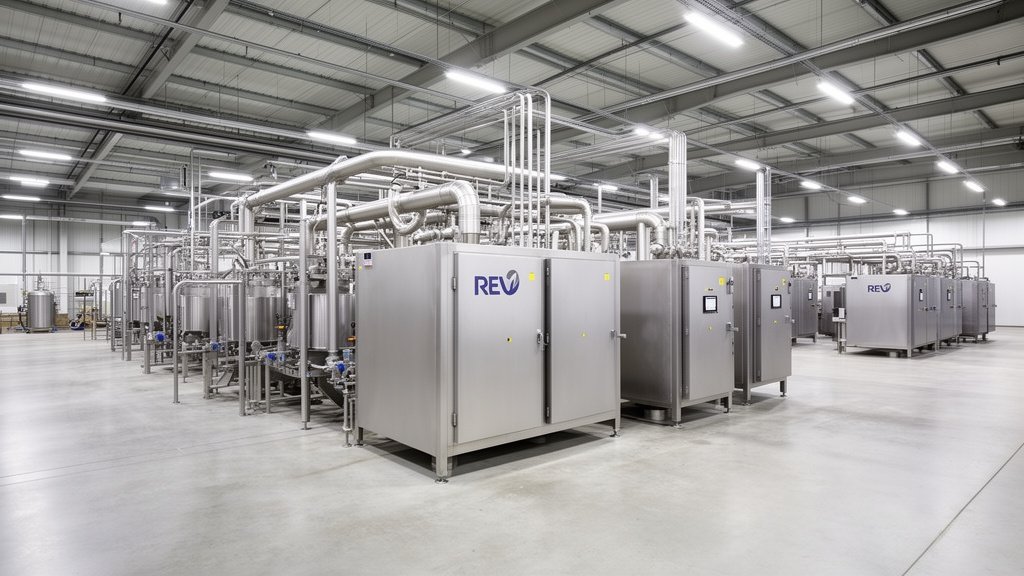
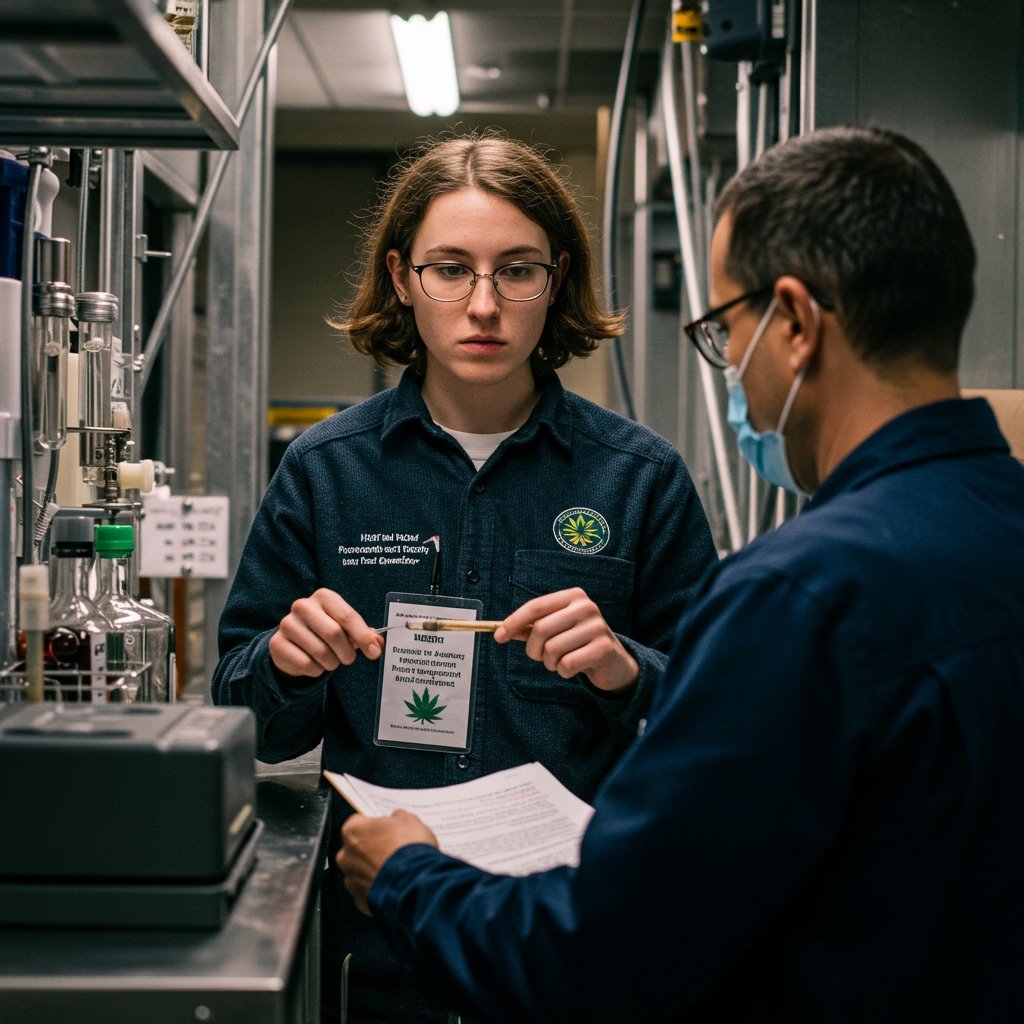
The core of the proposed mandates centers on advanced laboratory testing equipment and specific extraction machinery. According to the FCSA’s published notice, these pieces of equipment are deemed critical control points in the production chain, directly impacting the purity, potency, and safety profile of final cannabis products. The agency’s rationale is that standardizing the performance and certification of this equipment will mitigate risks associated with contaminants, residual solvents, inaccurate potency labeling, and other potential hazards that could reach consumers.
Under the proposed rules, all covered laboratory testing equipment would be required to undergo a new, rigorous certification protocol. This protocol is expected to include validation of analytical methods, calibration standards, and ongoing performance checks. Similarly, specific extraction machinery, which often utilizes complex processes involving solvents and high pressures, would face new requirements related to design standards, operational safety features, and mandatory maintenance schedules, also backed by a certification process.
The FCSA posits that these new regulations necessitate potential equipment upgrades for many operators. While the specific technical requirements are detailed in the full proposal document, the agency indicates that some legacy systems may not meet the new safety and performance benchmarks, requiring businesses to invest in newer technology or retrofit existing machinery to comply.
Industry Voices Concerns Over Implementation and Cost
While the stated goals of improved safety and consistency are generally supported within the industry, stakeholders have voiced concerns regarding the practical implementation and financial implications of the proposed mandates. Industry representatives, including major equipment manufacturers like GreenTech Solutions and numerous smaller lab operators, have highlighted the substantial financial investment needed to comply with the new rules.
Estimates circulating within the industry suggest that upgrading or replacing necessary equipment, coupled with the costs associated with the new certification processes and potential facility modifications, could amount to significant capital expenditures for businesses of all sizes. Smaller businesses, in particular, fear that these costs could be prohibitive, potentially leading to market consolidation.
Furthermore, concerns have been raised about the feasibility of meeting proposed deadlines. The FCSA’s timeline for implementation, following the public comment period and final rule publication, is perceived by some as aggressive, leaving insufficient time for manufacturers to produce certified equipment and for operators to procure, install, validate, and train staff on new systems.
GreenTech Solutions, in a preliminary statement, acknowledged the importance of safety standards but emphasized the need for a phased approach to allow for orderly transitions and sufficient supply chain adjustments. Smaller lab operators have echoed these sentiments, pointing out that disruptions to testing capacity during transitions could bottleneck the entire supply chain.
Next Steps: Public Comment Period and Hearings
Recognizing the significant impact of these proposed rules, the FCSA has announced a 90-day public comment period, providing stakeholders and the general public an opportunity to submit formal feedback on the draft regulations. This period is crucial for the agency to gather data, understand potential unintended consequences, and potentially refine the final rule based on industry input.
In conjunction with the comment period, the FCSA has also scheduled a series of public hearings scheduled to commence starting July 2025. These hearings are slated to take place in major cannabis-producing states, offering localized forums for stakeholders to present testimony directly to agency officials. The selection of locations aims to ensure representation from diverse segments of the industry and different regional markets.
The outcome of the comment period and hearings will be critical in shaping the final version of the FCSA’s equipment safety mandates. The agency has indicated that it will carefully review all submissions and testimony before finalizing the rule, though the extent to which the core requirements might be altered remains a key point of speculation within the industry.
Businesses across the cannabis sector are now closely analyzing the detailed proposal, calculating potential compliance costs, and preparing their responses for the public comment period and upcoming hearings. The coming months are expected to be a period of intense discussion and negotiation between the federal regulatory body and the industry it seeks to oversee.