Florida’s burgeoning cannabis industry is witnessing a significant strategic pivot as major medical marijuana companies, often referred to as multistate operators (MSOs), are increasingly shifting focus towards the state’s less regulated, but rapidly expanding, hemp market. This movement marks a calculated response to high barriers to entry, changing market dynamics, and recent legislative setbacks within the established medical cannabis sector.
A Strategic Pivot in the Sunshine State
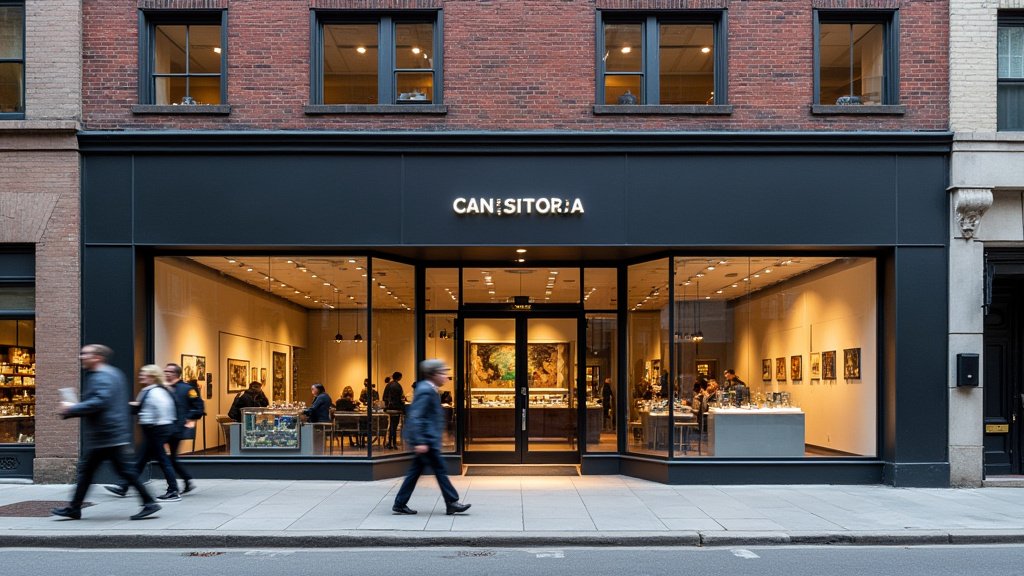
Illustrating this notable trend is Curaleaf, one of Florida’s largest medical marijuana firms. This spring, Curaleaf launched its new brand, “The Hemp Co.”, explicitly targeting the burgeoning consumer hemp sector. Demonstrating the company’s commitment to this pivot, Curaleaf converted one of its existing medical dispensaries into a dedicated hemp-only retail store. This physical transformation signals a clear intent to leverage existing infrastructure to capture a share of this distinct and emerging consumer segment.
Navigating Divergent Regulatory Paths
The primary driver behind this strategic redirection lies in the stark contrast between the regulatory frameworks governing medical marijuana and hemp in Florida. Establishing and operating a hemp retail operation is significantly faster, easier, and substantially cheaper than navigating the complex and costly process of obtaining and maintaining a medical marijuana license within the state.
The Economics of Entry
Acquiring a medical marijuana license in Florida has historically been an endeavor costing tens of millions of dollars. This high price tag is compounded by the state’s requirement for license holders to operate under a strictly vertically integrated model, mandating that they cultivate, process, and dispense their own products. Building out this comprehensive infrastructure requires massive upfront capital and ongoing investment. In sharp contrast, prospective hemp retailers face a dramatically lower barrier to entry, paying a modest $650 per store annually for their licenses. This vast difference in initial and ongoing costs makes the hemp market an attractive alternative for expansion and market penetration.
Products and the “Wild West” Market
This regulatory ease facilitates a diverse and accessible product landscape within the hemp market. Consumers can readily purchase a wide array of products, including gummies, flower, and vapes, without requiring a doctor’s permission or a medical card. A key distinction from the strictly controlled medical market is that hemp-derived products often operate under different legal interpretations regarding THC content derived from hemp, effectively allowing for no THC limits in the context of these specific unregulated products, provided the source material meets the legal definition of hemp. This accessibility further fuels their popularity. The market has also seen an increasing popularity of hemp-infused beverages, adding another dimension to consumer options.
Insiders familiar with this rapidly evolving market describe the current environment as the “wild, wild west.” This characterization reflects the rapid growth, innovative product development, relative lack of stringent state-mandated testing and quality control compared to the medical sector, and a degree of legal ambiguity surrounding certain popular cannabinoid products derived from hemp.
Driving Forces and Future Positioning
For MSOs, the pivot to hemp is viewed as a critical strategic pathway to build brand and footprint within the state, especially against the backdrop of recent challenges in the medical cannabis sector. These challenges include the significant plummeting value of medical marijuana licenses on the market, which has made further investment in acquiring or expanding within the medical framework less appealing. Furthermore, the failure of a proposed recreational cannabis amendment during the election cycle in November removed a potential avenue for immediate, large-scale market expansion. By establishing a robust presence in the hemp market, companies can cultivate brand recognition, develop retail networks, and engage with a broader consumer base who may not qualify for medical cards, positioning themselves favorably for potential future regulatory shifts or broader legalization efforts.
Conclusion
The influx of major medical marijuana operators into Florida’s hemp market underscores a dynamic and strategic evolution within the state’s legal cannabis ecosystem. Driven by regulatory arbitrage, vastly lower costs, and the imperative to maintain relevance and expand market share in a challenging medical landscape, this trend is effectively reshaping the competitive landscape. It transforms previously medical-only infrastructure into new retail opportunities and solidifies hemp’s position as a significant, albeit less regulated, component of Florida’s rapidly growing green economy. This pivot highlights the industry’s adaptability in navigating complex legal environments to reach consumers and build future market dominance.