The global cannabis market is poised for significant expansion, projected to soar from USD 72.83 billion in 2025 to an estimated USD 125.76 billion by 2030, demonstrating a Compound Annual Growth Rate (CAGR) of 11.5% during this period. This robust growth trajectory is predominantly fueled by a burgeoning demand for edibles, THC, and CBD products, alongside accelerating legalization trends worldwide. The industry is witnessing a profound transformation, driven by shifting consumer preferences, innovative product development, and evolving regulatory landscapes across key regions.
Explosive Market Growth and Driving Forces
The cannabis industry’s impressive forecast stems from several interconnected factors. Recreational use is expected to be a primary growth engine, supported by increasing legalization, cultural normalization, and the introduction of diverse consumer-friendly formats. The perception of cannabis is changing, with more individuals recognizing its therapeutic benefits for various medical conditions like chronic pain, epilepsy, and multiple sclerosis, further propelling demand. Regulatory advancements, particularly the potential reclassification of cannabis in major markets like the United States, are set to significantly ease financial burdens and open new avenues for research and business expansion.
Edibles and Beverages Redefining Consumption
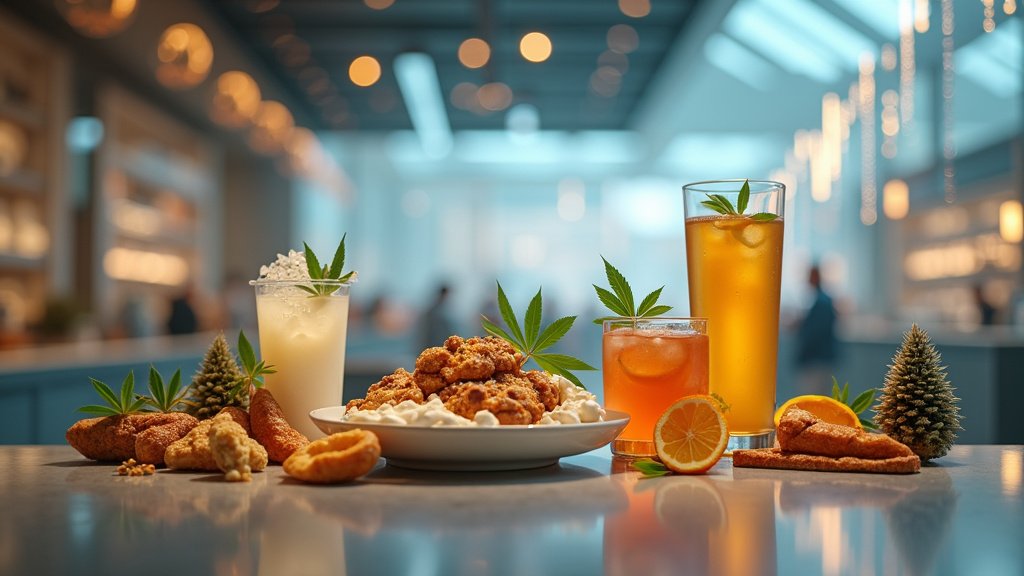
Edibles are rapidly becoming a cornerstone of the cannabis industry, favored for their ease of use, smoke-free experience, reliable dosing, discretion, and extended shelf-life. This category, particularly gummies and chocolates, is experiencing dramatic growth, projected to increase from approximately USD 9.6 billion in 2022 to USD 27.2 billion by 2030. The convenience and variety offered by these products appeal to both new and experienced users.
Adding to this dynamic, cannabis-infused beverages are marking a noteworthy ascent, with projections indicating a rise from USD 1.0 billion in 2025 to USD 24.6 billion by 2035, at an impressive CAGR of 37.3%. These beverages are gaining immense popularity as a smoke-free alternative to traditional consumption methods and, increasingly, as a substitute for alcohol. Global consumer packaged goods (CPG) giants such as AB InBev and Tilray have already made substantial investments in cannabis-infused beverages, with major players like Coca-Cola and Constellation Brands also exploring future involvement, signaling a significant trending shift in the beverage market.
The Dual Power of THC and CBD Products
THC-dominant products continue to command a significant share of the cannabis market. While known for their psychoactive effects in recreational use, THC also finds application as a sleep aid and analgesic in medical contexts. Innovative THC beverages, for instance, are gaining traction, with companies like Trulieve, Curaleaf, and Green Thumb Industries forging partnerships with hemp-THC drink manufacturers to meet rising consumer interest. A related development in this space is the emergence of Delta-8-THC, a less potent hemp-derived alternative, though it has prompted safety concerns and regulatory scrutiny in several U.S. states.
Conversely, the CBD market is expanding rapidly, driven by a wellness-first approach. Consumers are increasingly seeking CBD oils, topicals, edibles, and tinctures for relaxation, pain relief, and mental clarity. The global CBD market is anticipated to reach USD 16 billion by 2025, with strong growth propelled by functional CBD products that blend CBD with adaptogens, nootropics, and vitamins. Transparency and third-party lab testing are crucial drivers for purchasing decisions in this segment.
Regional Market Shifts and Legalization Momentum
Europe is transforming into the fastest-growing regional cannabis market. This acceleration is powered by the increasing legalization of medical cannabis, growing public support, and a rising body of clinical evidence supporting its therapeutic uses. Countries like Germany, the UK, Italy, and Spain are progressively adapting their laws, opening doors for domestic production and regional trade. For example, High Tide Inc. has recently entered the German medical cannabis market through a significant acquisition, highlighting the region’s burgeoning potential.
North America, particularly the United States, remains a dominant force in the global cannabis landscape due to its early legalization efforts and mature consumer base. The U.S. market alone is projected to reach USD 38.50 billion in 2024, with continued growth expected. A major news development on the horizon is the potential reclassification of marijuana by the U.S. Drug Enforcement Administration (DEA) from Schedule I to Schedule III, which would significantly ease restrictions and foster further industry expansion. While many states have legalized medical or recreational cannabis, a patchwork of local regulations and prohibitions still presents challenges.
Innovations in Delivery and Social Consumption
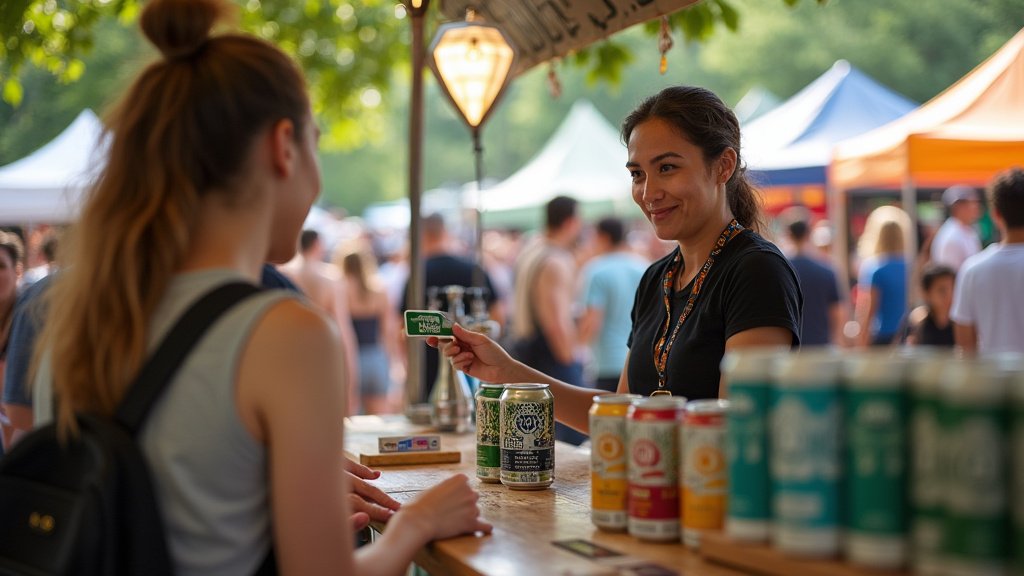
Innovation in delivery methods and retail experiences is playing a pivotal role in market expansion. Beyond traditional dispensaries, new avenues for consumption are emerging. Green Thumb Industries, for example, launched a partnership in March 2025 to supply THC-infused products at Chicago music events, showcasing the rise of social cannabis consumption. This trend extends to the establishment of cannabis consumption lounges, with states like Massachusetts actively working on regulations for such venues, including options for dispensaries, non-cannabis businesses (like yoga studios and theaters), and event organizers to offer on-site consumption. This evolving social landscape aligns with broader consumer desires for integrated, discreet, and communal cannabis experiences.
Key Players and Investment Landscape
The global cannabis market features several influential players driving innovation and market expansion. Leading companies such as Canopy Growth Corporation, Curaleaf, Cresco Labs, Green Thumb Industries (GTI), Tilray Brands, Aurora Cannabis Inc., and Trulieve are strategically expanding their operations, developing new products, and navigating complex regulatory environments. The sector continues to attract substantial investment from consumer packaged goods, beverage, and pharmaceutical companies, underscoring its long-term growth potential. This investment fuels product diversification and a more sophisticated, lifestyle-focused approach to marketing.