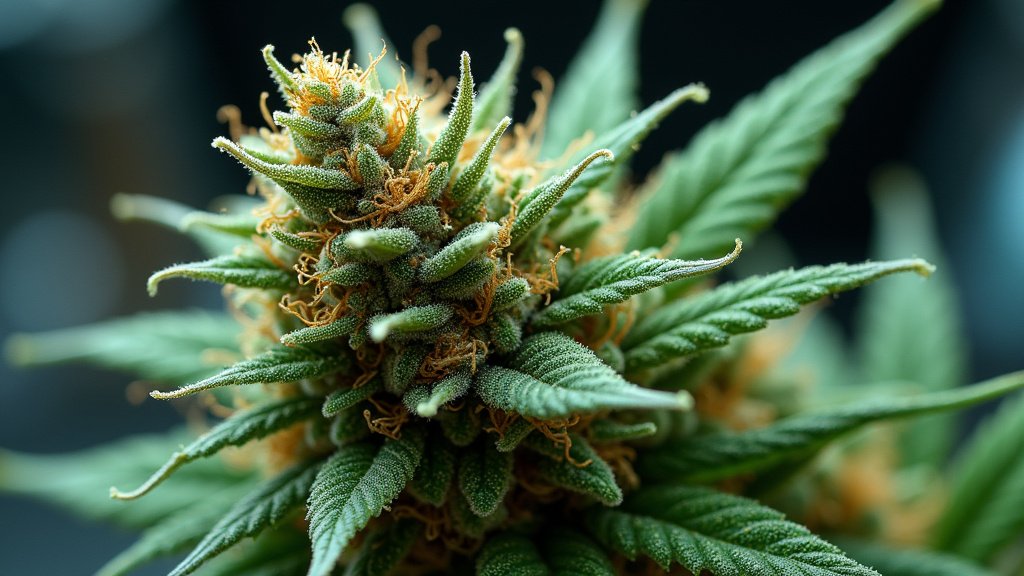
In the burgeoning world of cannabis, a significant divide is becoming increasingly apparent: the rise of highly coveted “elite genetics” alongside the more ubiquitous “mainstream strains.” This trending topic reflects a maturing industry where consumers and cultivators alike are seeking out quality and unique experiences beyond simple potency numbers. The question for many remains: is plunging into the world of elite genetics truly worth the investment?
Defining Elite vs. Mainstream Cannabis Strains
At its core, an “elite cannabis variety” refers to a plant that has undergone meticulous selective breeding or, in some cases, genetic manipulation, to exhibit superior characteristics. These traits typically include high yield, exceptional potency, and, critically, unique terpene and cannabinoid profiles. Unlike standard or non-selected varieties, elite strains are often deemed superior in quality, catering to both medicinal and recreational markets.
Mainstream cannabis strains, while widely available and often consistent, may lack the nuanced profiles, extreme potency, or specific resilience traits found in their elite counterparts. The distinction is moving beyond the traditional indica, sativa, and hybrid labels, with experts suggesting these terms are increasingly meaningless for predicting effects, shifting focus instead to detailed chemical compositions.
The Allure of Elite Genetics: Potency and Profile
One of the most immediate differentiators for elite genetics is their impressive potency. While average THC content in flower can range from 10-30%, elite strains frequently boast THC levels exceeding 20%, with some reaching 30% or more. This pursuit of higher THC has been a consistent upward trend in the market, driven by consumer demand for potent experiences.
However, the allure extends far beyond just THC percentages. Elite strains are celebrated for their exotic and complex terpene profiles. Terpenes are aromatic compounds that contribute to the unique flavors, aromas, and even the therapeutic effects of a strain, influencing how cannabinoids interact with the body through what’s known as the entourage effect. Consumers are becoming more discerning, prioritizing these profiles for specific desired effects—from energizing and focus-enhancing to deeply relaxing.
The Role of Breeders and Market Dynamics
The development of elite genetics is a labor-intensive process, often involving extensive pheno-hunting—planting and evaluating a large number of seeds to identify a superior phenotype with desired traits. The USA, particularly California, stands as a major trendsetter for popular cannabis genetics, with a vibrant breeding scene. Reputable breeders and seed companies, including names like Seed Junky, Exotic Genetix, and Humboldt Seed Company, are at the forefront of this innovation, crafting strains for specific traits like pest resistance, higher yields, and distinct flavor profiles.
The market for these premium genetics is booming. The U.S. cannabis seed market alone was valued at $567.76 million in 2022 and is projected to reach $2.02 billion by 2030, a testament to the growing demand, especially for home cultivation. Elite genetics often command higher prices due to their quality, limited stock, and the batch-oriented production methods of many American breeders. [Initial Context, 22]
Cultivation Challenges and Rewards
Cultivating elite cannabis strains is not without its challenges. These plants often require precise environmental control, diligent disease management, and rigorous testing to ensure quality and genetic stability. Some landrace-derived elite strains can be particularly difficult to grow due to their specific environmental needs or long flowering periods. To maintain genetic consistency and desirable traits, many experienced growers prefer using clones, which are exact replicas of the parent plant, over seeds.
Despite the complexities, the rewards for cultivators are significant. Producing elite varieties can lead to improved profits, consistent plant quality, and a strong brand reputation. For consumers, the payoff is a novel experience in terms of flavors, effects, and overall quality, tailored to their evolving preferences. [Initial Context, 15, 29]
The Future Outlook
As the cannabis market continues its rapid evolution, driven by expanding legalization and consumer education, the focus on genetic innovation is only intensifying. The news indicates a shift from merely chasing high THC percentages to a broader appreciation for the nuanced interplay of cannabinoids and terpenes. This emphasis on quality, consistency, and specific effects ensures that the pursuit of elite genetics will remain a pivotal aspect of the global cannabis landscape. The question of whether it’s worth the plunge increasingly leans towards a resounding ‘yes’ for those seeking the pinnacle of the cannabis experience.