LEVIA, the Massachusetts-based brand formerly synonymous with state-regulated cannabis dispensaries, has officially launched a new line of hemp-derived THC beverages. By pivoting production to Maine, the company is bypassing the traditional, fragmented state-licensed dispensary system, enabling the shipment of its psychoactive products directly to consumers in select states across the nation. This strategic move marks a significant evolution in how cannabis-infused products are distributed, utilizing a precise interpretation of federal regulations to unlock a new, scalable e-commerce channel.
Key Highlights
- National Accessibility: LEVIA is utilizing hemp-derived Delta-9 THC to ship products legally to consumers outside the restrictive state-by-state dispensary framework.
- Maine-Based Operations: The brand has established production capabilities in Maine to facilitate this national expansion, moving away from a solely Massachusetts-centric footprint.
- Regulatory Loophole: The expansion relies on the 2018 Farm Bill’s provision, which allows for the sale of hemp-derived products provided they contain less than 0.3% Delta-9 THC by dry weight.
- Market Disruption: By pivoting to a Direct-to-Consumer (DTC) model, LEVIA is directly challenging the established, high-tax, and logistically complex dispensary-only cannabis supply chain.
The New Era of Hemp-Derived THC Distribution
In a landmark shift for the cannabis and beverage industry, LEVIA has successfully transitioned from a localized, state-dependent operator to a national contender. For years, the cannabis industry has been shackled by the ‘patchwork’ nature of legalization. Every state border acted as a barrier, forcing brands to establish localized supply chains, cultivation facilities, and retail partnerships. LEVIA’s decision to launch a hemp-derived THC line—produced specifically in Maine—is not merely a product launch; it is a fundamental reconfiguration of the cannabis value chain. By focusing on hemp-derived cannabinoids, the brand effectively converts a formerly illicit or highly restricted substance into a commercially shippable beverage, fundamentally altering the accessibility of infused products.
The Mechanics of the 2018 Farm Bill
The linchpin of this operation is the 2018 Agricultural Improvement Act, commonly known as the 2018 Farm Bill. This legislation legalized the production of hemp, defined as cannabis plants containing less than 0.3% Delta-9 THC on a dry-weight basis. Through advanced chemical extraction and formulation techniques, LEVIA is now producing beverages that remain compliant with these federal standards while delivering the psychoactive experience consumers associate with traditional cannabis products. This is a critical legal maneuver: because the THC is extracted from hemp and the concentration remains below the federal threshold, the resulting beverage is treated more like a dietary supplement or a beverage than a Schedule I controlled substance in many jurisdictions. This regulatory flexibility allows for interstate commerce, a feat that is effectively impossible for traditional, dispensary-exclusive THC products.
Scaling via the Maine Production Hub
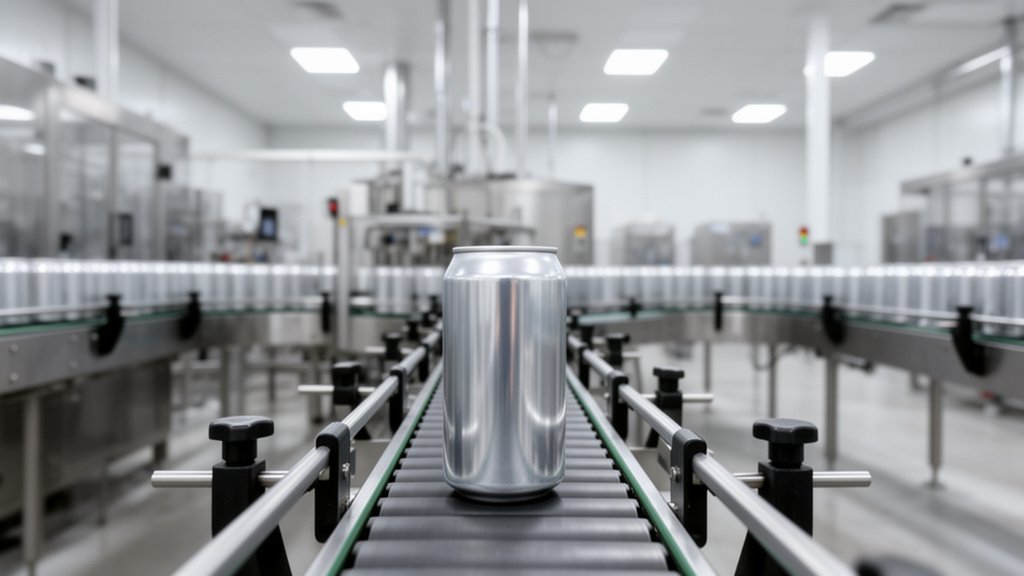
The choice of Maine as a central production hub is strategic. Maine has established itself as an accommodating environment for cannabis and hemp-related manufacturing, offering the infrastructure and regulatory clarity necessary for a brand like LEVIA to scale its output. By centralizing production in a single state, LEVIA avoids the massive overhead of duplicating operations across multiple jurisdictions. This consolidation allows for greater quality control, consistency in product formulation, and streamlined logistics. From this Maine-based facility, the company can tap into national shipping networks, delivering beverages directly to the doorsteps of legal-age consumers in states where hemp-derived cannabinoids are permitted.
Disintermediating the Dispensary
For most cannabis consumers, the ‘dispensary experience’ is synonymous with a trek to a storefront, verifying IDs at the door, and navigating a complex retail environment. LEVIA’s new model removes the middleman—the dispensary. By shifting to a Direct-to-Consumer (DTC) strategy, LEVIA is not just selling a beverage; it is selling convenience. This move poses a significant challenge to brick-and-mortar dispensaries, which often charge high premiums due to state-mandated licensing costs, security requirements, and supply chain inefficiencies. LEVIA is offering a similar, if not identical, experience at a fraction of the friction, utilizing the power of e-commerce to capture a wider, more diverse demographic of ‘cannabis-curious’ individuals who may be intimidated by the dispensary model.
Economic and Regulatory Risks
While the current landscape allows for this expansion, it is not without risks. The regulatory environment surrounding hemp-derived THC is fluid. Legislators in various states have periodically attempted to tighten restrictions or outright ban intoxicating hemp products, citing concerns over safety, youth access, and the lack of stringent testing compared to state-regulated cannabis. LEVIA must navigate this volatile terrain, constantly balancing aggressive growth with compliance. Furthermore, the economic impact is notable; by operating outside the dispensary model, these companies often bypass the specific ‘cannabis excise taxes’ levied by states, creating a friction point between the burgeoning hemp-THC industry and traditional cannabis operators who are bearing the heavy tax burden of state-licensed programs.
Quality Assurance in a Grey Market
A recurring criticism of the hemp-derived THC market is the lack of standardized, state-mandated testing. Whereas a legal dispensary product often undergoes rigorous state testing, some hemp-derived products lack the same level of institutional oversight. LEVIA, however, is positioning itself as a premium brand. By leveraging the existing trust and brand equity they have built in Massachusetts, they are effectively importing those standards into the national hemp-derived market. This brand-led approach to quality assurance may serve as a blueprint for the industry, helping to sanitize and legitimate a sector that is often viewed with skepticism by traditional industry advocates. As consumers become more discerning, the companies that prioritize transparency—offering third-party COAs (Certificates of Analysis) and clear labeling—will likely capture the majority of the market share.
FAQ: People Also Ask
Is LEVIA’s hemp-derived THC legally the same as dispensary THC?
While both are Delta-9 THC, the legal distinction lies in the source. LEVIA’s national line is derived from hemp that meets the 2018 Farm Bill criteria (less than 0.3% THC by dry weight). Because it originates from hemp rather than ‘marijuana,’ it qualifies for interstate commerce and is not restricted to state-licensed dispensaries.
Can I order LEVIA hemp beverages in every state?
Not necessarily. While the 2018 Farm Bill is federal, state laws vary significantly regarding the sale and consumption of hemp-derived cannabinoids. Some states have passed their own restrictions. Consumers should verify local regulations before attempting to order online.
How does this change the cannabis industry?
This model effectively forces a conversation about the ‘dispensary-only’ monopoly. By demonstrating that consumers want accessible, e-commerce-based cannabis experiences, LEVIA is pressuring state regulators to modernize their own frameworks, lest they lose tax revenue and market relevance to the national hemp-derived market.
Is the product safety different from traditional dispensary items?
LEVIA emphasizes its commitment to quality control. However, generally, hemp-derived products lack the uniform, nationwide testing standards applied to state-legalized marijuana programs. Consumers are encouraged to look for brands that provide batch-specific third-party laboratory testing results on their websites.
What does ‘Direct-to-Consumer’ mean for the price?
By eliminating the retail dispensary markup, the DTC model often allows for more competitive pricing. Without the cost of maintaining a physical storefront, high-security facilities, and localized retail taxes, the brand can potentially pass savings to the consumer while operating with higher margins.