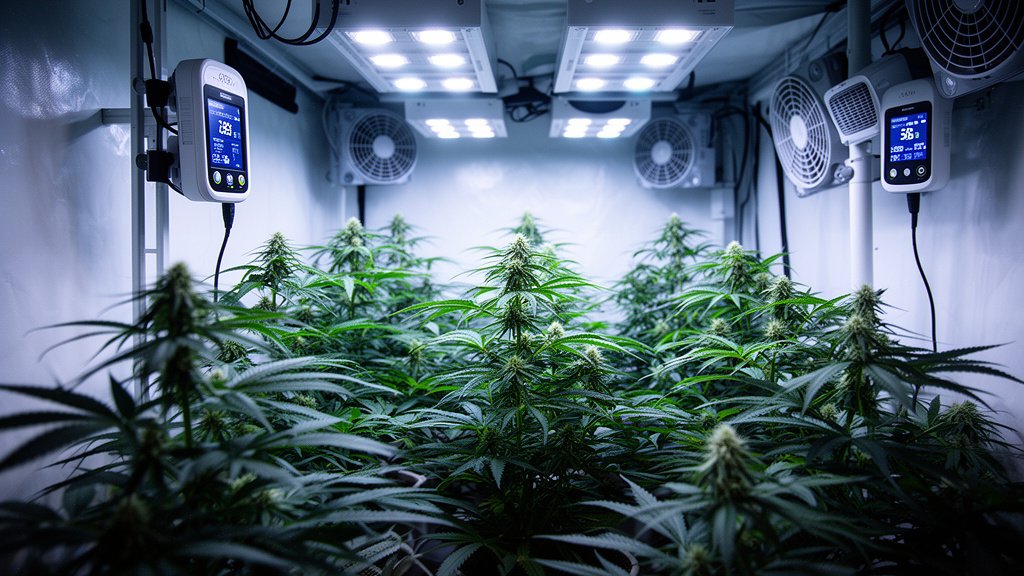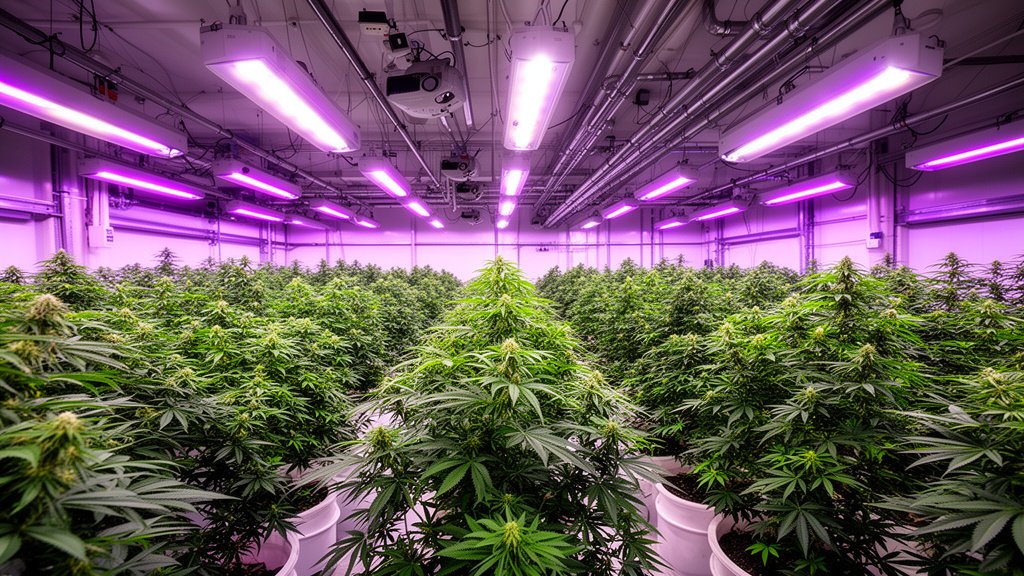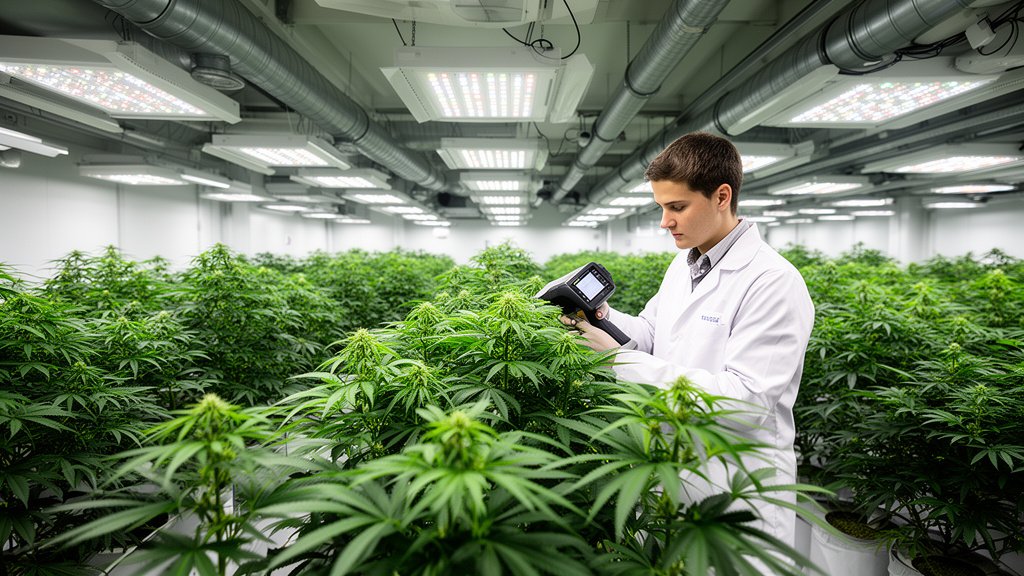
The cannabis industry stands at a critical intersection of biological innovation and industrial scaling. As of August 22, 2026, the sector is digesting two major developments that promise to reshape cultivation standards: a breakthrough in genetic resilience from Genome BC and a substantial 31% increase in global cultivation capacity by Tilray Brands. Together, these events underscore a maturation of the cannabis market, moving away from rudimentary farming toward a sophisticated, data-driven agricultural model that prioritizes medical efficacy and operational consistency.
Key Highlights
- Genetic Breakthrough: Genome BC has successfully identified the ‘PM2’ cannabis genome, a critical finding linked to natural resistance against powdery mildew, a persistent threat to commercial crop yields.
- Tilray Expansion: Tilray Brands has announced a 31% increase in global cultivation capacity, a strategic move specifically designed to meet the rising demand for medical-grade cannabis products.
- Industry Shift: These developments signal a broader industry trend toward biological pest management and the aggressive scaling of high-compliance medical supply chains.
The Evolution of Cannabis Cultivation: Biotech Meets Industrial Scale
The landscape of commercial cannabis production is undergoing a rapid metamorphosis. For years, cultivators have struggled with the “fungal tax”—the immense costs, both financial and environmental, associated with managing Podosphaera macularis, or powdery mildew. This pathogen has historically been the bane of indoor and greenhouse operations, necessitating rigorous chemical intervention and, in the worst cases, forcing the total destruction of infected crops.
The PM2 Genome: A New Standard for Crop Resilience
The findings released by Genome BC regarding the PM2 cannabis genome represent a fundamental change in how the industry approaches crop protection. By isolating the genetic markers responsible for intrinsic resistance, Genome BC has provided breeders and cultivators with a roadmap for developing proprietary strains that can withstand environmental pressures without the reliance on traditional, and often controversial, chemical fungicides.
From a technical standpoint, this is a milestone in molecular breeding. Traditional methods relied on trial-and-error phenotyping, which was slow and resource-intensive. The identification of the PM2 genome allows for marker-assisted selection (MAS). This allows cultivators to verify the resistance potential of a plant at the seedling stage, effectively “locking in” resilience before the plant even enters a flowering phase. The implications for the bottom line are immense. Reducing the need for systemic fungicides not only lowers operating expenditures (OPEX) but also aligns production with the increasingly stringent residue testing standards set by international medical regulators. As cannabis pivots toward a “pharma-adjacent” model, the ability to guarantee a clean, pathogen-resistant product will become a competitive baseline rather than a luxury.
Tilray Brands and the Economics of Scale
While Genome BC is optimizing the quality and stability of the product, Tilray Brands is tackling the other side of the equation: accessibility and scale. The reported 31% increase in global cultivation capacity is not merely an exercise in growth; it is a calculated response to a clear macroeconomic signal. The medical cannabis sector, particularly in European and Latin American markets, is experiencing a supply-demand imbalance that has plagued the industry since its inception. By scaling capacity by nearly a third, Tilray is positioning itself to capture significant market share while simultaneously stabilizing supply chains that have historically been volatile.
This expansion is particularly strategic given the regulatory environment of 2026. As international markets move toward standardized medical cannabis programs, the ability to deliver consistent, high-volume batches is the primary barrier to entry. Tilray’s capacity increase is likely focused on highly controlled, GMP-certified (Good Manufacturing Practice) facilities. These facilities are the “gold standard” for international export, and by scaling here, Tilray is essentially future-proofing its global footprint against potential supply shocks and regulatory shifts. This is a clear indicator that the “green rush” mentality of the early 2020s has been replaced by a “green infrastructure” phase, where the winners are determined by their ability to execute at scale while maintaining pharmaceutical-grade compliance.
Synthesis: The Future of Cultivated Cannabis
When we analyze the Genome BC discovery and the Tilray expansion in tandem, a clear narrative emerges: the industrialization of cannabis is accelerating. We are moving toward a dual-focus future. On one hand, biotechnology is being utilized to lower biological risk, reducing the unpredictability of plant pathology. On the other hand, corporate giants are building out the massive, hyper-efficient infrastructure required to turn a boutique plant into a reliable global commodity.
For the independent cultivator, this creates a challenging environment. The bar for entry is rising rapidly. It is no longer enough to grow a high-quality product; one must now grow it with the genetic assurance of resistance and the operational efficiency of a global supply chain. We anticipate that as these technologies and scaling models become standard, the “Week in Weed” updates of the future will focus less on basic survival and more on the optimization of cannabinoid expression and the deeper integration of artificial intelligence in plant monitoring.
FAQ: People Also Ask
1. What is the significance of the PM2 cannabis genome for the average consumer?
While the consumer may not see the technical data, they will benefit from a more consistent, residue-free product. Resistance to powdery mildew means fewer chemical applications, resulting in a cleaner final product that meets the highest medical standards.
2. Why is a 31% capacity increase considered significant for Tilray?
In the context of the medical cannabis sector, a 31% jump is massive. It reflects a shift from experimental or small-batch cultivation to industrial-scale pharmaceutical supply, enabling the company to serve larger national medical markets that require consistent, year-round volume.
3. How does Genome BC’s research impact the cost of production?
By fostering genetic resistance to common pathogens, cultivators can significantly reduce the overhead associated with chemical fungicides, air filtration, and, most importantly, crop loss. This lowers the long-term cost of production, making the economics of large-scale cultivation more viable.
4. Is this research restricted to indoor cultivators?
No. While indoor operations often face the most acute powdery mildew pressure due to environmental control costs, outdoor and greenhouse cultivators can leverage PM2 genetics to drastically reduce their chemical reliance, ensuring healthier harvests in humid climates.