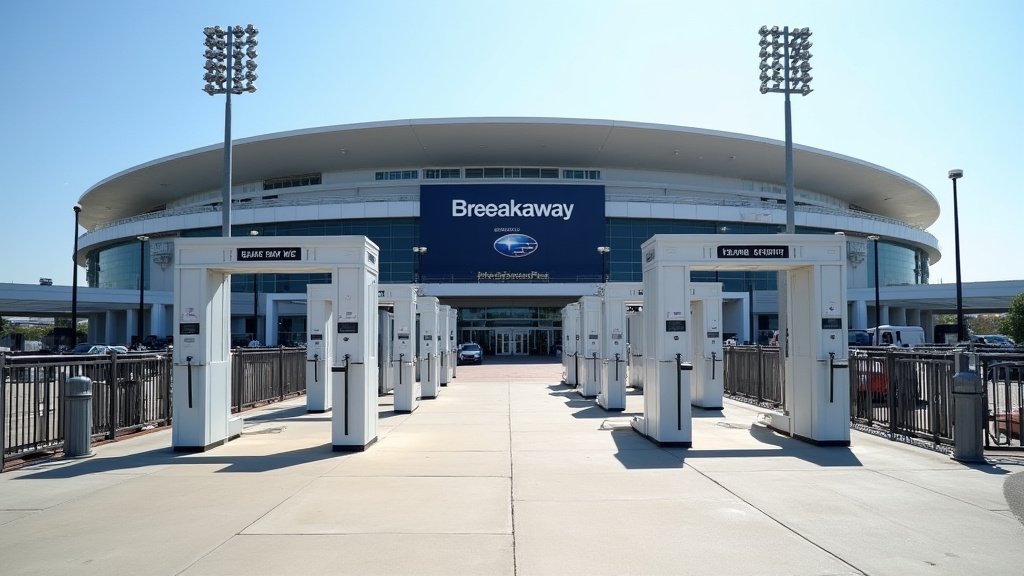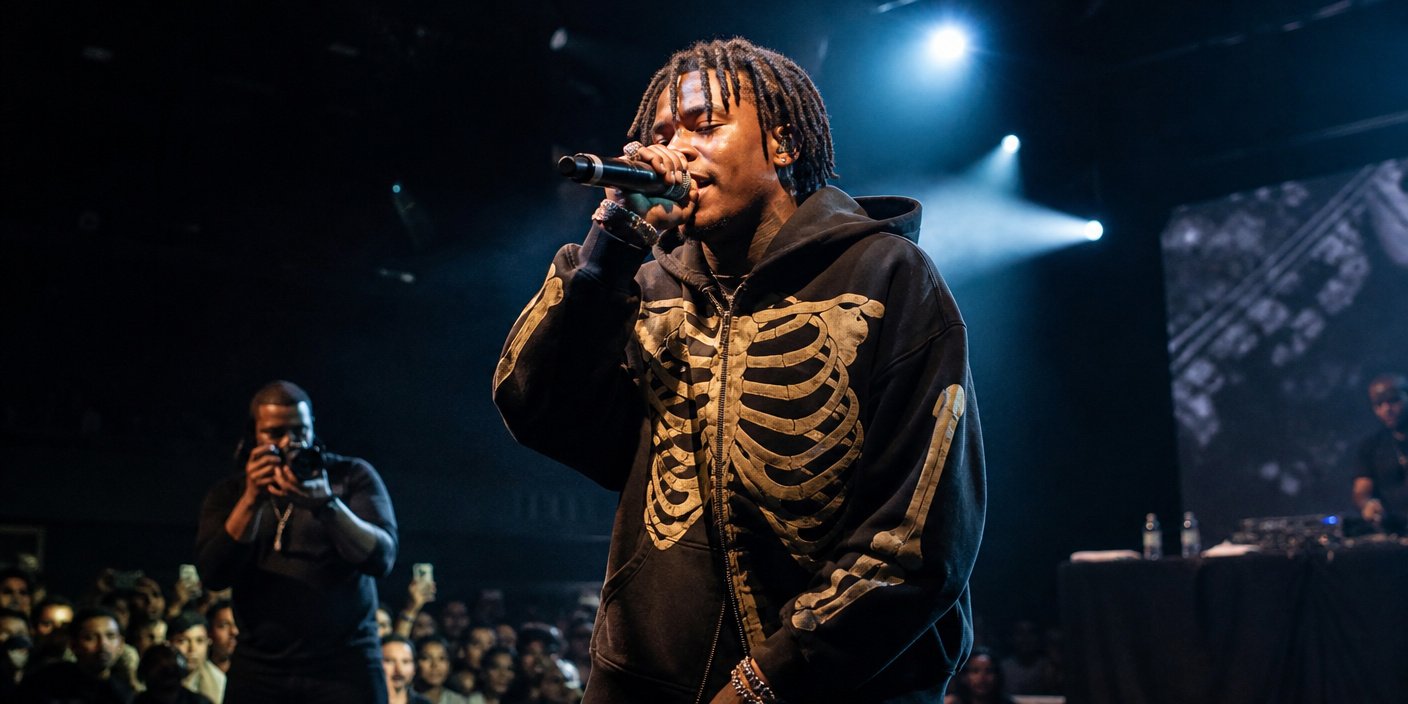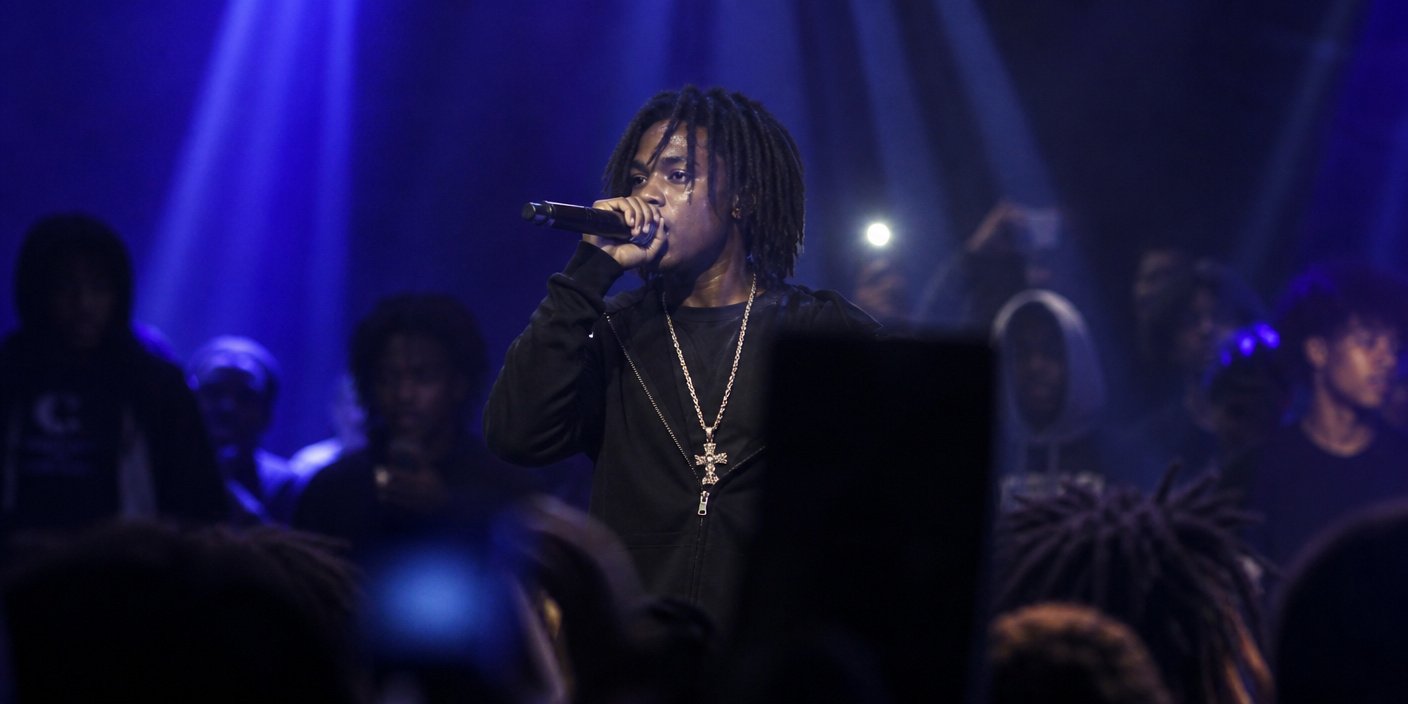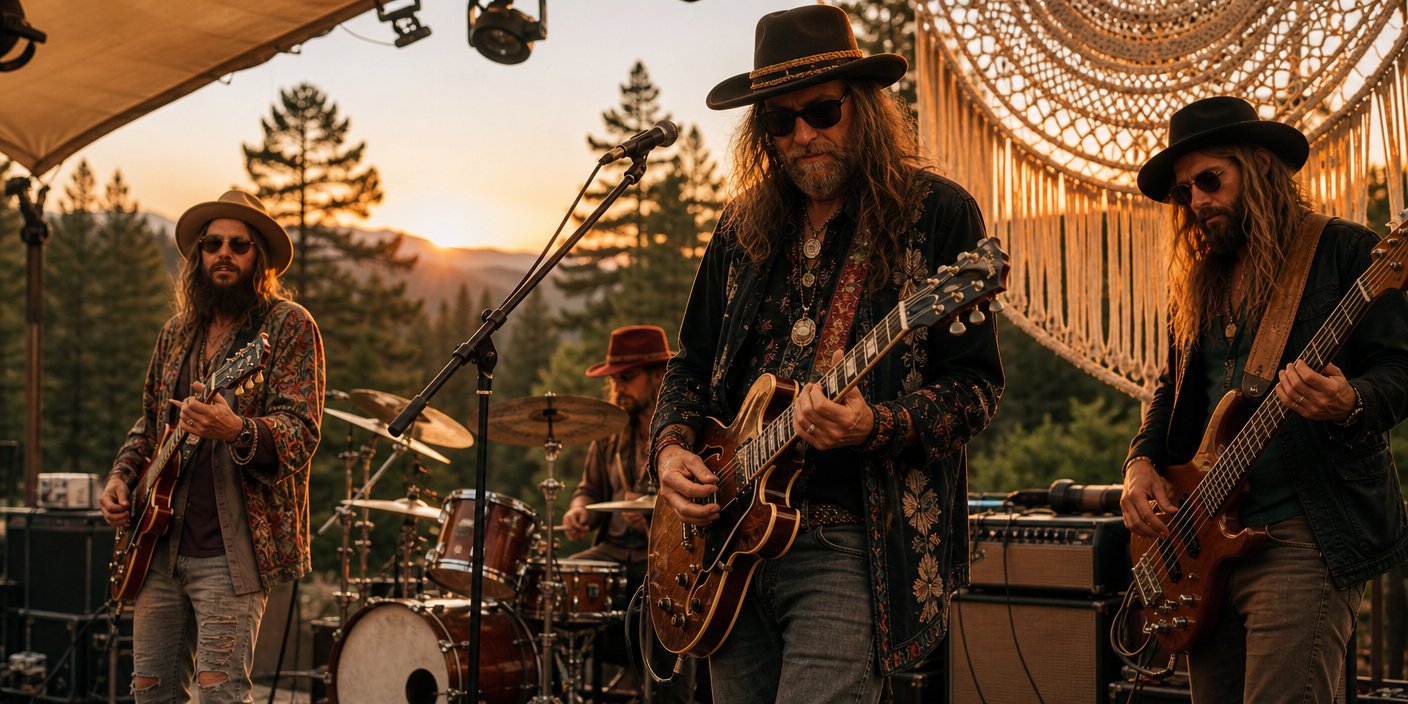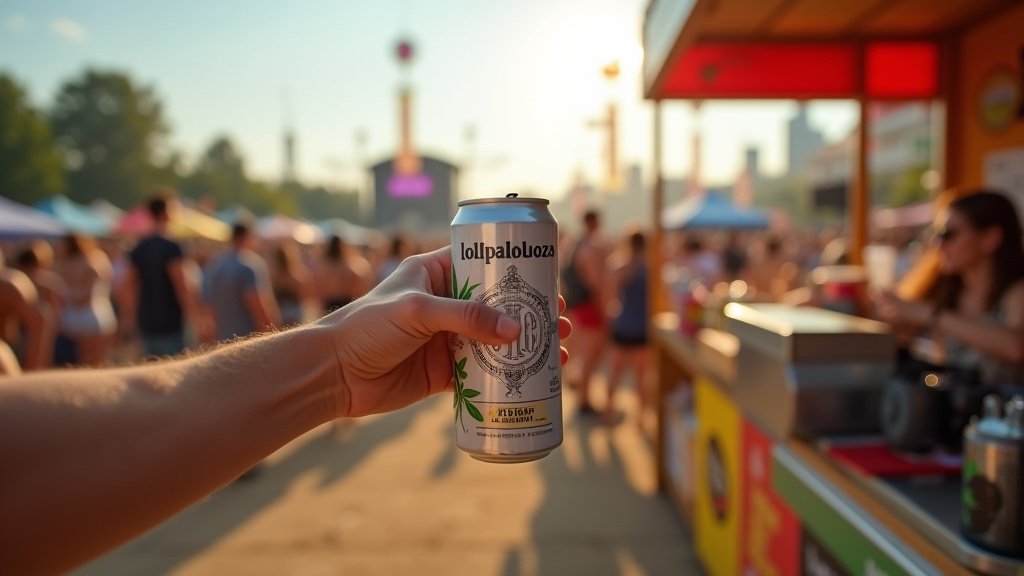
The landscape of festival refreshments at Chicago’s Lollapalooza has undergone a significant transformation this season, signaling a broader shift in how major public events integrate hemp-derived THC beverages into their concessions. By authorizing the sale of these products, festival organizers have tapped into the growing ‘cali-sober’ trend, where attendees increasingly opt for cannabis-infused alternatives to traditional alcohol. However, this accessibility may prove to be a temporary phenomenon as federal scrutiny intensifies over the legal loopholes currently sustaining the hemp industry.
Key Highlights
- Festival Integration: Lollapalooza has officially sanctioned the sale of hemp-derived THC drinks, marking a milestone for cannabis integration in major American music festivals.
- Regulatory Cliff: The current availability of these beverages relies on the 2018 Farm Bill, which is currently facing aggressive calls for revision to close the loophole that allows for potent hemp-derived Delta-9 THC products.
- Market Sentiment: Industry analysts suggest that while consumer demand is high, the legal instability surrounding hemp-derived products creates a volatile environment for event organizers and distributors.
- Federal Oversight: Upcoming congressional sessions regarding the Farm Bill reauthorization could effectively reclassify these drinks, potentially forcing festivals to strip them from menus by next season.
The High Stakes of Festival Refreshments
For decades, the standard festival beverage menu was binary: alcohol or non-alcoholic options. The introduction of hemp-derived THC beverages at an event as massive and culturally significant as Lollapalooza represents a tectonic shift in concession culture. By offering low-dose, hemp-derived Delta-9 THC beverages—often marketed for their ‘social buzz’ without the impairment or hangover associated with traditional alcohol—organizers are responding to a sophisticated, health-conscious consumer base.
This move is not merely a product substitution; it is a statement on normalization. By placing these products alongside traditional beer and hard seltzer, festival operators are effectively legitimizing the cannabis beverage sector in the public eye. For many attendees, the choice represents a safer, more controlled experience. Yet, beneath the surface of this consumer-driven success lies a complex web of legal ambiguity that threatens to unravel the entire sector.
The 2018 Farm Bill Loophole
The fundamental reason these products can be sold at Lollapalooza—or any major event—is the 2018 Farm Bill. This legislation legalized ‘hemp,’ defined as cannabis with a Delta-9 THC concentration of 0.3% or less on a dry weight basis. What the legislative drafters may not have fully anticipated was that, by weight, a beverage can be quite heavy. This allows for a product to contain a significant, intoxicating amount of THC while still remaining under that 0.3% limit relative to the total weight of the liquid.
This ‘loophole’ has sparked a multi-billion dollar industry that currently operates in a legal grey zone. While state laws in places like Illinois have generally been permissive toward these hemp-derived products, federal lawmakers are increasingly vocal about their intent to ‘clean up’ the language in the upcoming Farm Bill reauthorization. If Congress narrows the definition of hemp or adds language restricting the concentration of THC regardless of weight, these popular festival beverages could become illegal overnight, forcing event organizers to revert to legacy concession models.
The Chicago Context & Public Health
Chicago, a city with a robust and well-regulated dispensary market, serves as an interesting battleground for this trend. Unlike in states where cannabis is entirely prohibited, Illinois residents and Lollapalooza attendees are generally accustomed to the presence of cannabis products. However, the distinction between state-licensed dispensary cannabis (regulated and taxed) and hemp-derived cannabis (often sold in convenience stores and at events like Lollapalooza) is a point of contention for regulators.
Public health officials and traditional alcohol distributors are watching closely. The concern is that while these drinks are marketed as safe, the lack of standardized testing and packaging requirements—which are strictly enforced for dispensary products—leaves a gap in consumer protection. Lollapalooza’s decision to allow these products implies a rigorous vetting process by their own vendors, but critics argue that without federal oversight, the risk to the event’s safety profile remains unacceptably high.
Future Implications for the Festival Circuit
As we look toward the 2025 festival season, the fate of hemp-derived THC drinks rests in the hands of federal lawmakers in Washington D.C. If the legislative hammer falls, the festival industry will face a massive supply chain disruption.
1. The Regulatory Pivot: If the Farm Bill is restricted, brands currently banking on the festival circuit will need to pivot their distribution strategies toward state-licensed cannabis retailers, significantly limiting their audience reach.
2. Alcohol Industry Pushback: Expect to see increased lobbying from the traditional alcohol industry, which is losing market share to these THC alternatives. They are incentivized to see these products heavily regulated or outright banned.
3. Event Liability Concerns: Festival organizers, usually risk-averse, will likely wait for federal clarity before committing to similar sales contracts in future years. The ‘wait and see’ approach may define the next two years of festival planning.
Ultimately, Lollapalooza has served as the testing ground for a major cultural shift. Whether this remains a permanent fixture of music festivals or becomes a short-lived experiment depends entirely on whether the industry can demonstrate safety and compliance before federal regulators impose a restrictive, likely permanent, ceiling on the products.
FAQ: People Also Ask
1. Are hemp-derived THC drinks the same as marijuana?
Technically, both come from the cannabis plant. However, hemp-derived THC is extracted from hemp plants compliant with the 2018 Farm Bill (containing less than 0.3% Delta-9 THC by dry weight). Marijuana is classified as cannabis exceeding that threshold and is typically sold through state-regulated dispensaries.
2. Why might these drinks be banned at future festivals?
Congress is currently reviewing the Farm Bill. There is bipartisan support to close the ‘loophole’ that allows hemp-derived products to be sold nationally, which could classify these beverages as controlled substances regardless of their source.
3. Is it legal for me to bring my own THC drinks to a festival?
It depends entirely on the specific venue policy. While hemp-derived THC may be legal to possess in the state, venues have the right to prohibit outside food and beverages for security and revenue purposes. Always check the festival’s prohibited items list.
4. Are these drinks safe?
Safety is a primary concern for regulators. Because the industry is currently under-regulated compared to the dispensary market, consumers are encouraged to purchase only from reputable brands that provide third-party Certificates of Analysis (COAs) to verify the contents and purity of their products.