Maryland regulators have officially issued guidance allowing state-licensed dispensaries to continue selling certain hemp-derived products that technically fall outside the new federal hemp definitions, effectively carving out a state-sanctioned path for retailers to maintain inventory despite the sweeping federal restrictions that went into effect on November 12, 2026. This move highlights a growing trend of state agencies prioritizing local market stability and consumer safety oversight over the rigidity of evolving federal guidelines.
Key Highlights
- The Maryland Cannabis Administration (MCA) has affirmed that dispensaries may continue to stock and sell specific hemp-derived products, even if they do not align with the updated federal definitions.
- Federal restrictions regarding hemp-derived cannabinoids officially shifted on November 12, 2026, aiming to close perceived loopholes regarding intoxicating properties.
- Maryland’s guidance prioritizes the established testing and retail standards of the state’s legal cannabis program, ensuring that hemp products sold in dispensaries remain subject to stringent quality control.
- The decision creates a clear regulatory divergence, forcing stakeholders to distinguish between the federal regulatory environment and the specific compliance requirements of the Maryland market.
Navigating the Regulatory Rift: The Maryland Approach
The landscape for hemp-derived products in the United States underwent a seismic shift on November 12, 2026, as federal authorities tightened the definition of what constitutes legal industrial hemp. For many states, this change triggered immediate concerns regarding the legality of popular products—such as those containing specific concentrations of intoxicating cannabinoids—that had previously operated in a grey area under the 2018 Farm Bill framework. However, the Maryland Cannabis Administration (MCA) has adopted a posture of measured continuity rather than reactive compliance.
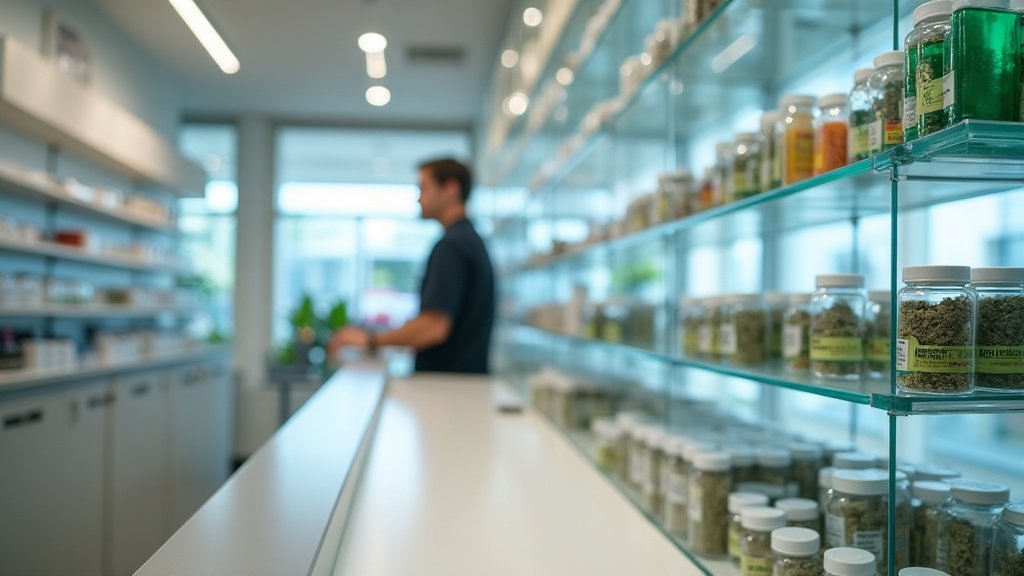
By issuing targeted guidance, the MCA has provided a lifeline to dispensary operators who were facing uncertainty regarding their inventory. The regulator’s stance is predicated on the idea that products sold within the highly regulated dispensary system are already subjected to comprehensive testing, labeling, and age-verification protocols. Unlike the loosely regulated online hemp markets or convenience store environments, Maryland dispensaries operate under a closed-loop system. The MCA appears to be banking on the argument that the state’s existing oversight mechanisms are sufficient to mitigate the risks the federal definition change was intended to address.
The Mechanics of the MCA Guidance
Technically, the guidance allows for the continued retail of products that might be categorized as “non-compliant” under the new federal narrow definitions. This is not an act of total defiance against federal law, but rather a strategic interpretation of the MCA’s authority over the items permitted for sale within the state’s regulated cannabis retail footprint. The directive clarifies that as long as these products meet the state’s rigorous testing and safety benchmarks—including mandatory COA (Certificate of Analysis) requirements and potency limitations—the specific chemical profile that triggered the federal reclassification does not render them illegal within the state’s licensed retail channels.
This distinction is vital for dispensary bottom lines. Many retailers had invested heavily in inventory based on previous regulatory guidance. A sudden prohibition would have resulted in significant dead-stock losses and potentially pushed consumers back toward the unregulated, illicit market, which regulators are keen to avoid.
Economic and Consumer Implications
For the Maryland cannabis industry, this guidance provides a much-needed period of stability. The economic impact of a sudden federal-alignment mandate would have been immediate and negative, affecting not just retail profitability but also the processing and wholesale sectors that supply these dispensaries. By allowing the status quo to persist, Maryland is effectively signaling that it prefers a “regulated, supervised” market for these cannabinoids over a “prohibited, unregulated” one.
From the consumer perspective, this ensures continuity of product access. Many medical and recreational consumers in Maryland have integrated specific hemp-derived formulations into their wellness routines. Forcing these products off the shelves would have disrupted the supply chain for legitimate patients and adult-use consumers, potentially causing market fragmentation.
The Preemption Debate: A Looming Conflict?
While Maryland has provided this guidance, the broader question of federal preemption remains the “elephant in the room.” The Supremacy Clause of the U.S. Constitution generally dictates that federal law takes precedence over state law when they conflict. However, the enforcement of these hemp regulations is complex. Because the FDA and other federal agencies have historically been slow to crack down on the retail level for hemp products, states have been granted a degree of de facto flexibility.
Industry analysts are watching closely to see if federal agencies, such as the DEA or the FDA, issue a formal challenge to the MCA’s guidance. Until such a challenge occurs, Maryland dispensaries appear protected by this state-level regulatory “safe harbor.” The MCA’s decision effectively shifts the burden of proof, requiring federal regulators to engage in a potentially protracted legal or administrative battle if they wish to enforce the new definitions within Maryland’s state-licensed framework.
FAQ: People Also Ask
Q: Why did the federal hemp definition change on November 12, 2026?
A: The change was driven by federal agencies aiming to curb the availability of intoxicating hemp-derived cannabinoids, such as Delta-8 THC and others, which had proliferated in unregulated markets following the 2018 Farm Bill. The new definition tightens criteria to classify more products as controlled substances.
Q: Are all hemp products illegal in Maryland now?
A: No. Maryland continues to allow the sale of compliant hemp products. The recent guidance specifically addresses products that technically fall outside the new, stricter federal definitions but are permitted to remain on dispensary shelves due to the state’s rigorous testing and regulatory oversight.
Q: Does this guidance apply to smoke shops or gas stations?
A: The guidance specifically pertains to state-licensed cannabis dispensaries regulated by the Maryland Cannabis Administration (MCA). It does not necessarily provide blanket protection for the sale of these products in non-licensed retail environments, which are subject to different regulatory pressures.
Q: Will other states follow Maryland’s lead?
A: It is possible. Many states with robust legal cannabis infrastructures are evaluating whether to prioritize their own internal regulatory systems over rigid federal adjustments. Maryland’s proactive stance may serve as a template for other state agencies looking to maintain market order.
Q: What should dispensary owners do to stay compliant?
A: Operators should ensure strict adherence to the MCA’s testing requirements and documentation standards. The key to this guidance is that products must still be safe, accurately labeled, and sourced through approved, traceable supply chains within the state’s system.