Cultivating cannabis at home is an increasingly popular endeavor, driven by evolving legal landscapes and a desire for personal supply. Yet, for a significant number of prospective growers, space limitations – whether in apartments, small homes, or properties lacking extensive garden areas – present a considerable challenge. The ambition to achieve substantial yields within confined environments like closets, small tents, urban balconies, or modest yards requires a strategic approach.
Fortunately, cultivating a successful and productive cannabis garden is entirely possible even in the most restricted settings, provided growers employ the right techniques and select appropriate genetics. Experts suggest that mindful planning can transform tiny spaces into prolific sources.
Expert Guidance for Compact Grows
Leading the discussion on maximizing output in spatially constrained environments is renowned cannabis cultivation expert Ed Rosenthal. Rosenthal emphasizes that success in limited areas hinges on two primary factors: selecting appropriate genetics that are well-suited for smaller footprints and employing tailored cultivation techniques designed to address the specific challenges of limited space. He highlights several practical strategies that can make a significant difference.
Optimizing Indoor Environments
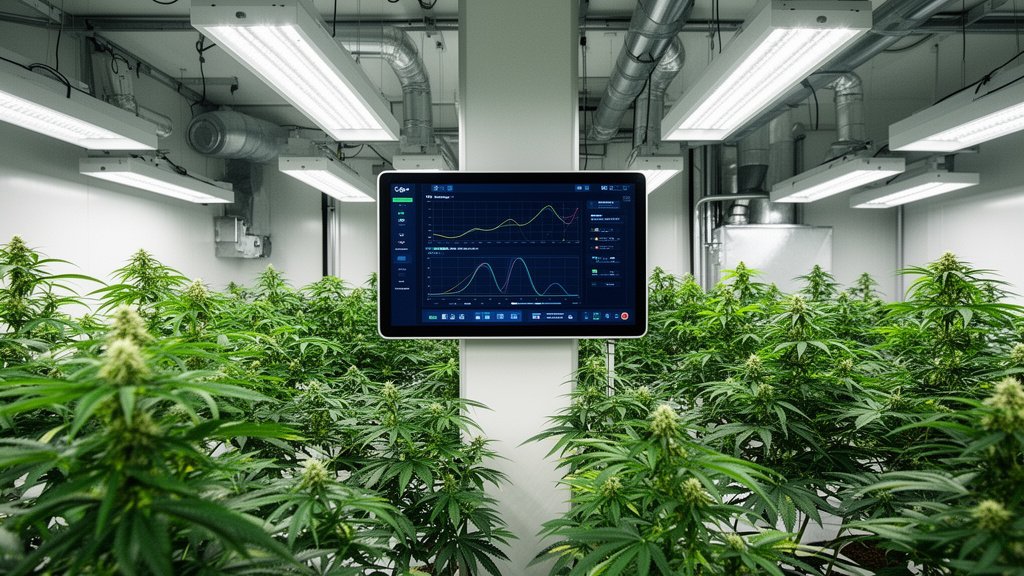
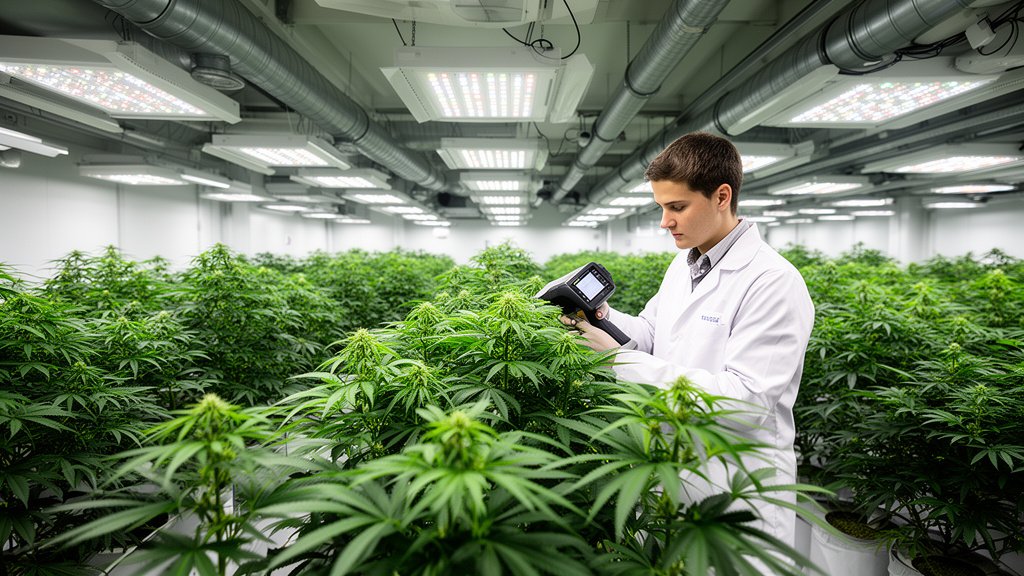
For indoor cultivation in small areas, such as closets or purpose-built tents, environmental control is critical. Rosenthal strongly recommends the use of LED grow lights. Their efficiency and notably lower heat emission are distinct advantages in enclosed spaces where managing temperature can be difficult. The reduced heat helps prevent the environment from becoming excessively hot, which can stress plants and hinder growth.
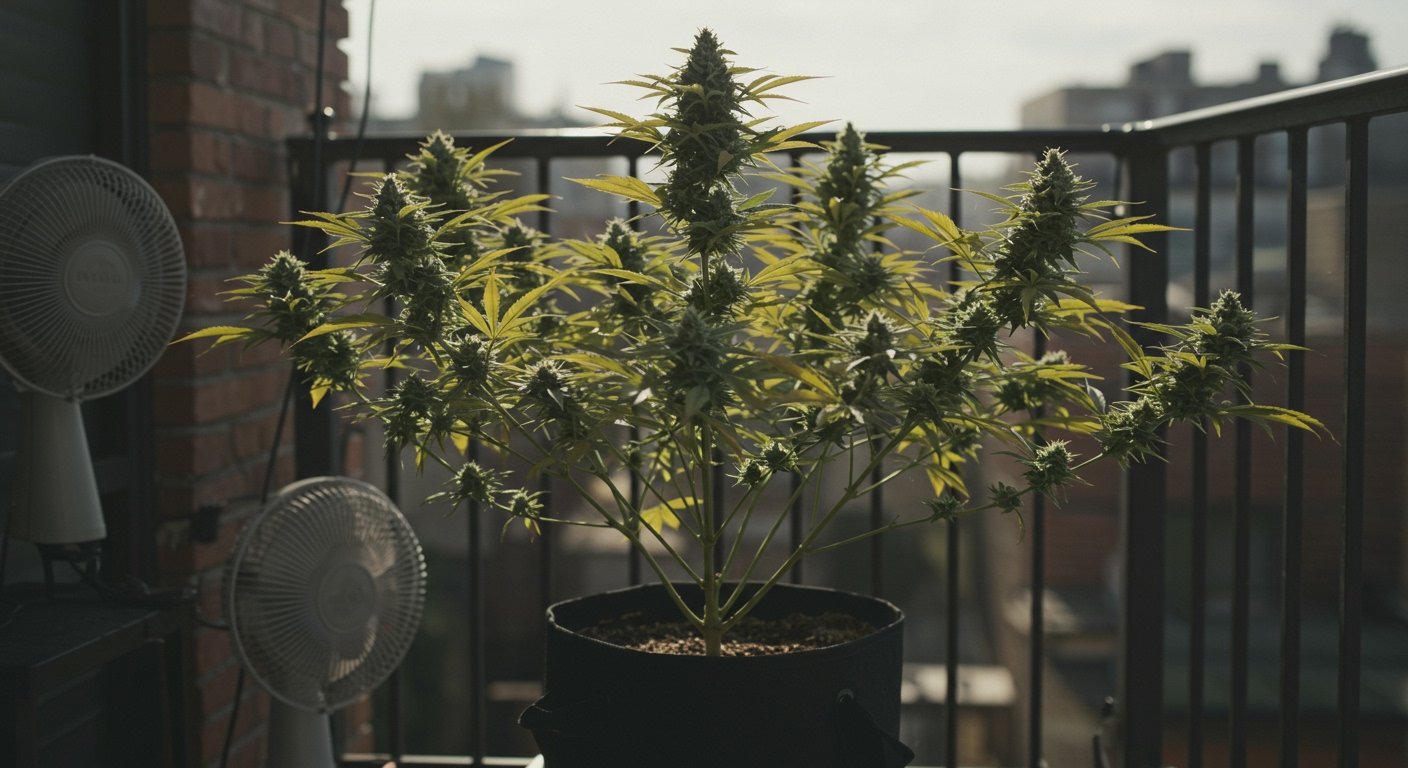
Coupled with LED lighting, a small fan is deemed essential. This simple addition plays a crucial role in controlling environmental factors vital for healthy plant development and robust bud production. Fans help maintain optimal temperature, ensure consistent airflow throughout the canopy, and manage humidity levels. Proper air circulation strengthens plant stems and significantly reduces the risk of mold and mildew, common issues in humid, stagnant conditions.
Strategic Genetic Selection
The choice of cannabis strain, or genetics, is paramount when space is limited. Certain varieties possess growth characteristics and yield potential that make them naturally better suited for compact indoor environments or specific small outdoor setups.
For small indoor grows, strains like Limez are highly regarded. They are noted for providing uplifting effects and, critically for yield in a small space, producing dense buds. Another recommended strain for its reliability and performance in confined indoor conditions is OG Kush, celebrated for its potency, resilience, and ability to develop large buds even when grown in smaller quarters. These traits contribute positively to overall yield in limited height and width.
Cultivating in Small Outdoor Areas
For growers utilizing limited outdoor spaces like balconies or small patios, maximizing natural sunlight is the key to potent growth and substantial yields. A highly practical technique for these settings is placing plants on wheels. This simple measure allows cultivators to easily move their plants throughout the day, following the sun’s path, and even relocate them across seasons to capture maximum possible direct sunlight exposure. For productive outdoor yields in small spaces, Banana OG and Chunkadelic are mentioned as particularly suitable strains, known for their ability to thrive and produce well in these environments.
Managing Watering and Nutrition
One of the most common challenges encountered in small-space cultivation, particularly when using smaller pots, is proper watering. Pots with less soil volume dry out significantly faster than larger containers, necessitating more frequent watering. Incorrect watering – either too much or too little – is a leading cause of plant stress and failure. A practical tip for gauging when a plant needs water is to judge the pot’s weight. A light pot indicates that the soil is dry and ready for watering, while a heavy pot signifies sufficient moisture. This method helps prevent common issues like root rot or drought stress.
Space Allocation and Container Choices
Overcrowding is detrimental to cannabis plant health and dramatically reduces yield potential, especially in confined spaces. Ensuring each plant has adequate room to develop is critical. A general guideline suggests providing roughly one square foot per plant as a minimum. Proper spacing is vital for ensuring sufficient light penetration to the lower branches and developing buds and maintaining good air circulation around the plant canopy. These factors are essential for healthy growth and maximizing bud production. When plants are packed too tightly, they compete for light and airflow, leading to weak growth and poor yields.
The size of the container also plays a significant role in small-space cultivation. For confined environments, pots generally sized between three to five gallons are considered ideal. These sizes provide enough soil volume to support a plant capable of producing a respectable yield without consuming excessive lateral space. Regarding the growing medium, soil is widely considered the easiest option for both indoor and outdoor small-space cultivation, offering a forgiving buffer for nutrient management and making it a preferred choice for many growers.
The Advantage of Autoflowering Strains
For those seeking faster cultivation cycles and simpler light management, autoflowering strains offer a distinct advantage in small spaces. Unlike photoperiod strains, which rely on changes in the light schedule to initiate flowering, autoflowering varieties transition from the vegetative stage to flowering based primarily on age. They typically complete their entire flowering cycle in about 2.5 to 3 months from germination, irrespective of the light schedule. This inherent characteristic makes them particularly attractive for growers with limited time or those unable to precisely control light cycles in their small growing areas.
Conclusion: Bountiful Harvests Anywhere
Successfully cultivating cannabis and achieving significant yields in limited spaces is not only feasible but can be highly rewarding. By carefully implementing expert advice, such as selecting genetics known to perform well in compact environments (Limez, OG Kush, Banana OG, Chunkadelic, autoflowers), optimizing indoor climate controls with tools like LED lights and a small fan, managing space effectively (e.g., providing roughly one square foot per plant, using three to five gallon pots), adopting practical watering techniques like the weight method, and utilizing user-friendly mediums like soil, growers can overcome spatial constraints. The insights shared by experts like Ed Rosenthal underscore that with thoughtful planning and execution, urban cultivators and those with limited areas can transform tiny spaces into productive cannabis gardens. The use of autoflowering strains, with their rapid and light-independent lifecycle of approximately 2.5 to 3 months, provides an additional avenue for achieving timely harvests in these settings.