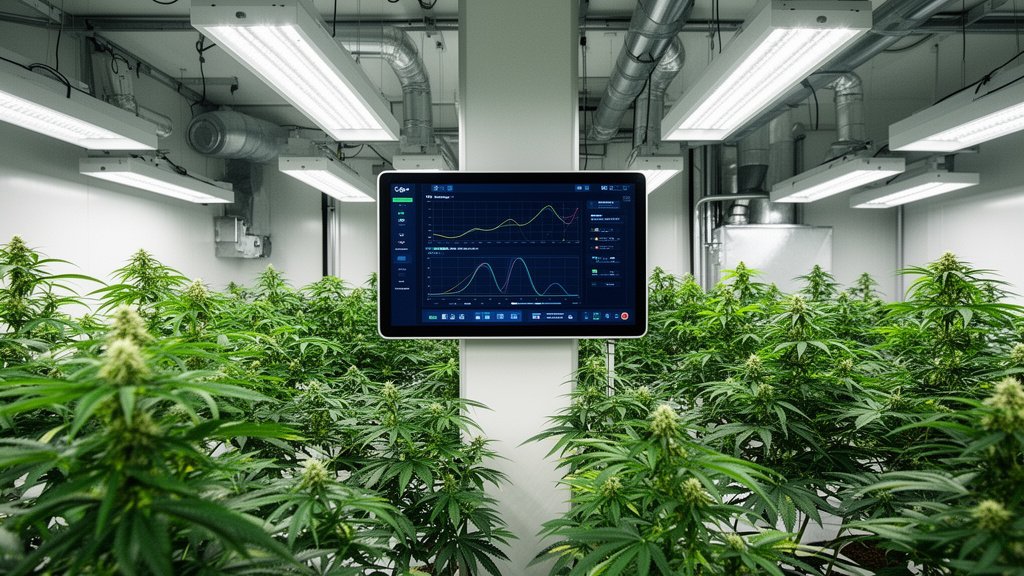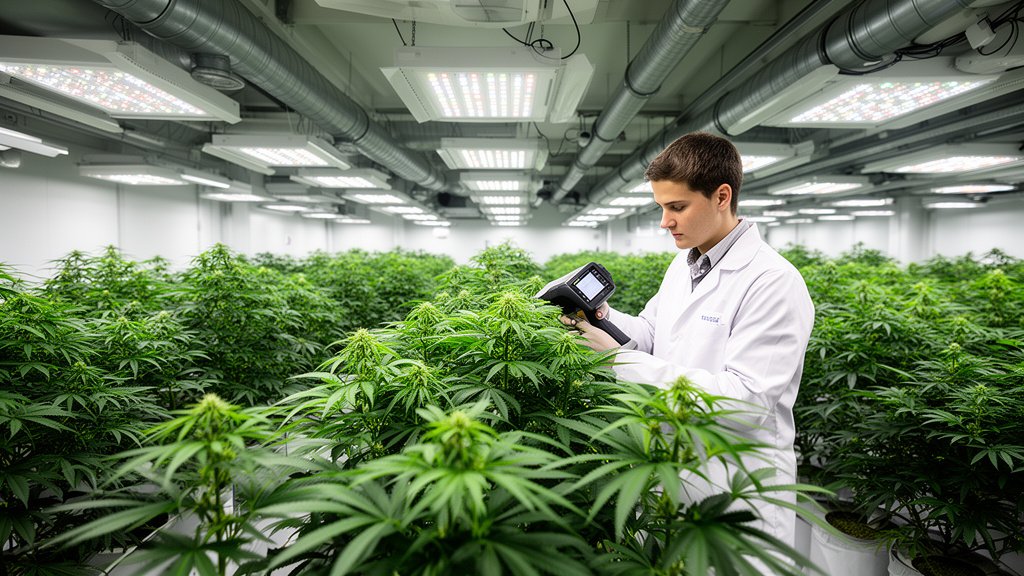
The rapidly expanding cannabis industry faces a critical challenge extending beyond cultivation and commerce: managing its distinctive odor. As operations scale from individual growing facilities to large-scale processing centers and retail environments, the release of aromatic compounds has emerged as a primary source of nuisance complaints from surrounding communities.
These complaints often escalate, leading to heightened community concerns and increased regulatory scrutiny. For growers, processors, merchants, and regulators, the need for effective odor control is not merely a matter of good neighborly practice but a fundamental requirement for sustainable operation and compliance.
Understanding the Impact
The characteristic scent of cannabis, while appealing to consumers, can be pervasive and disruptive in residential or mixed-use areas adjacent to industry facilities. This can create significant friction between cannabis businesses and their neighbors, sometimes resulting in costly legal challenges, operational restrictions, and delays in licensing or expansion. Regulators, tasked with balancing industry growth with public welfare, are increasingly focusing on odor management as a key metric for evaluating operational standards and enforcing compliance.
Ignoring or inadequately addressing odor issues poses significant risks. Beyond community antagonism and potential legal action, businesses face the threat of regulatory fines, mandated shutdowns, or the inability to obtain necessary permits. This underscores the urgent need for a proactive, rather than reactive, approach to odor management.
Implementing Proactive Odor Management
A recent analysis highlights the critical need for comprehensive odor control strategies that address the issue head-on. The key pillars of this proactive approach involve robust community engagement, the application of rigorous scientific measurement techniques, and the development and implementation of certified abatement plans.
Community engagement is paramount. Businesses must establish open lines of communication with residents and local officials, addressing concerns early and transparently. This can involve public meetings, dedicated complaint hotlines, and sharing information about the odor control measures being implemented. Building trust within the community can significantly mitigate potential conflicts and demonstrate a commitment to responsible operations.
Scientific Approaches: Measuring Odor Objectively
Subjective complaints can be challenging to address effectively without objective data. This is where scientific measurement techniques become indispensable. Methods such as Dilution-to-Threshold (D/T) testing provide a standardized way to quantify odor concentrations and dispersion patterns. D/T testing determines how much uncontaminated air is needed to dilute a sample until the odor is no longer detectable by a panel of trained sniffers. This provides empirical data that can be used to:
* Identify specific odor sources within a facility.
* Model potential odor impacts on surrounding areas.
* Evaluate the effectiveness of existing or proposed control measures.
* Provide credible evidence to regulators and the community regarding odor levels.
Integrating scientific measurement ensures that odor control efforts are data-driven, targeted, and verifiable.
Developing Certified Abatement Plans
Based on scientific assessment, the development of certified abatement plans is the next crucial step. These plans outline the specific technologies and operational practices a facility will employ to capture, treat, or neutralize odor-causing compounds. Solutions can range from carbon filtration systems and biofilters to vapor-phase systems and sealed cultivation environments with controlled ventilation. A certified plan often implies that it meets specific regulatory standards or has been reviewed by qualified environmental engineers. Implementing such plans is essential for ensuring compliance, effectively safeguarding businesses from regulatory action and community complaints, and ultimately minimizing operational costs associated with disputes or mandated retrofits.
These measures – community engagement, scientific measurement (like D/T testing), and certified abatement plans – are presented as essential for enhancing compliance and securing the operational longevity of cannabis businesses.
Expert Insights and Future Guidance
To delve deeper into these critical topics, a forthcoming webcast is scheduled for Tuesday, August 5, 2025, at 2:00 PM EDT. This session aims to provide valuable insights into odor science, the process of developing odor control plans, navigating regulatory expectations, and strategies for effective community engagement.
The webcast will feature Christopher Petro, MSCE, EIT, a distinguished project manager and odor lab lead at SCS Engineers. Mr. Petro’s expertise is expected to offer attendees practical guidance on implementing the strategies discussed, providing a valuable resource for industry professionals and regulators alike seeking to master odor control challenges.
Conclusion
Effective odor control is not a peripheral concern for the cannabis industry; it is fundamental to its social license to operate and its long-term economic viability. By proactively adopting strategies centered on community communication, scientific analysis using techniques like Dilution-to-Threshold (D/T) testing, and the rigorous application of certified abatement plans, cannabis businesses can build stronger community relationships, ensure regulatory compliance, and protect their operations. As the industry matures, mastering the art and science of odor management will be a key differentiator for successful and responsible enterprises.