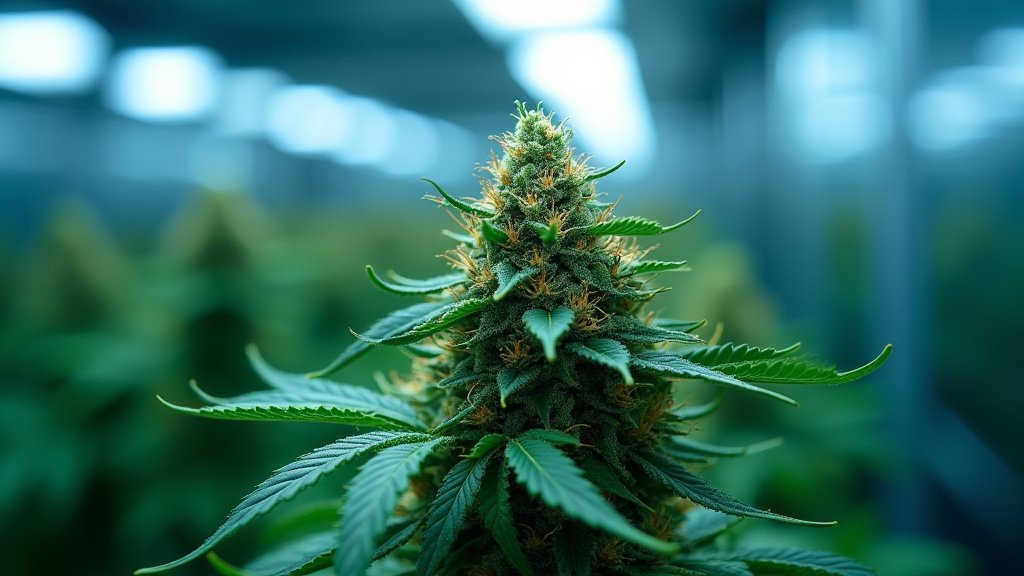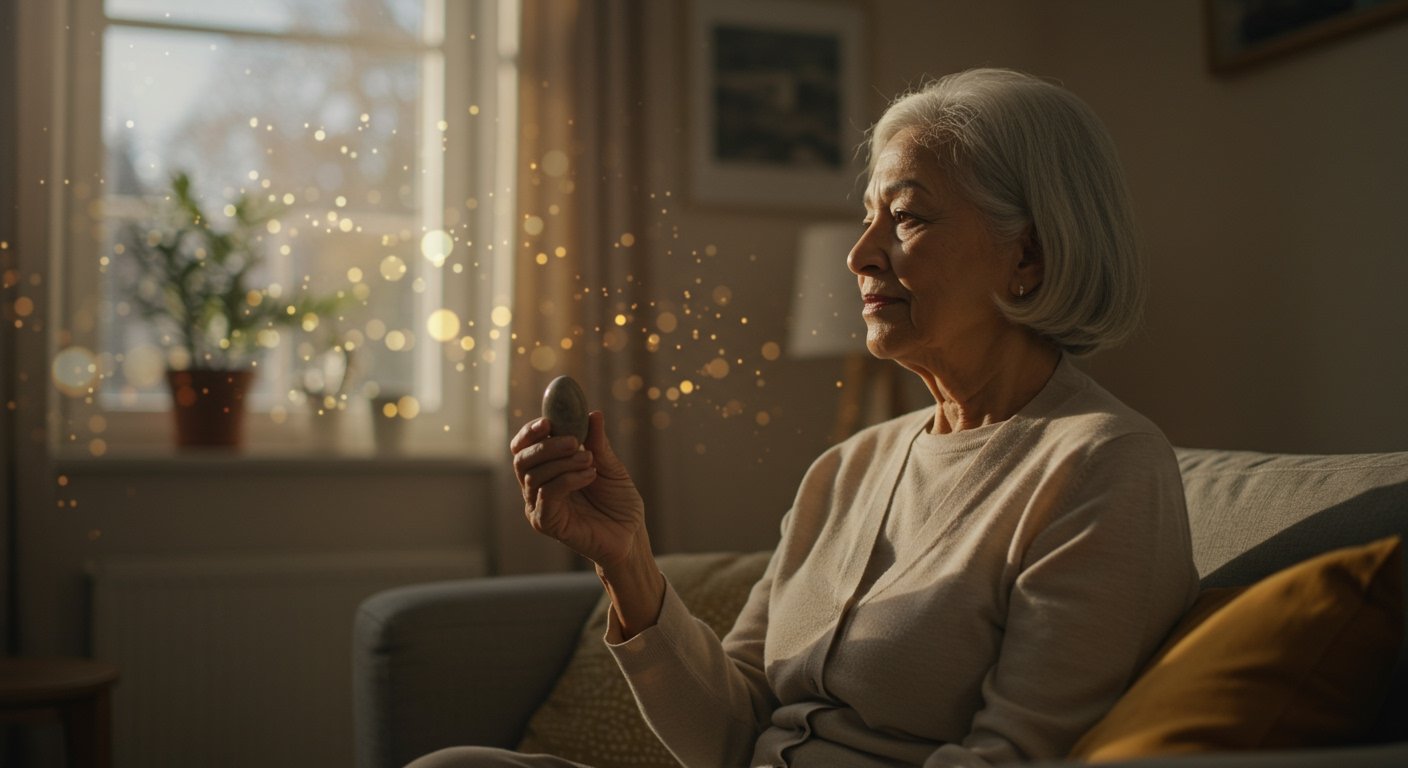
A significant and rapid increase in cannabis consumption among adults aged 65 and older is becoming a notable trend across the United States, according to recent data. This demographic, traditionally less associated with cannabis use, is increasingly turning to the substance for a variety of reasons, even as health professionals and researchers highlight potential risks.
A Growing Trend Among Seniors
Data published in JAMA Internal Medicine reveals a sharp uptick in cannabis use among the older population. In a short span of just two years, from 2021 to 2023, the prevalence of cannabis use among adults over 65 surged by 46%. This translated to an increase from 4.8% of this age group reporting cannabis use in 2021 to 7% in 2023, indicating a substantial shift in consumption patterns within this demographic.
Why Are Seniors Using Cannabis?
Understanding the motivations behind this growing trend is crucial. A 2024 University of Michigan survey, led by clinical psychologist Erin Bonar, provided insight into the primary reasons older adults are embracing cannabis. The survey found that the top motivations were largely centered around health, wellness, and relaxation:
* To relax: 81%
* To help with sleep: 68%
* To enjoy the effects/feel good: 64%
* To help with pain relief: 63%
* To help mental health or mood: 53%
These findings suggest that older adults are often seeking therapeutic benefits or improved quality of life through cannabis, addressing common age-related issues such as chronic pain, sleep disturbances, and stress.
Navigating the Potential Risks
Despite the perceived benefits driving this trend, cannabis use among older adults is not without significant risks. Experts point to several potential dangers that this age group, often managing multiple health conditions and medications, should be aware of.
One concern involves product quality and labeling. Misinformation or lack of regulation in some markets can lead to cannabis products containing harmful contaminants like heavy metals or pesticides, or having inaccurate levels of active compounds.
Beyond contaminants, the psychoactive effects of cannabis can pose direct physical risks. Dizziness and slowed reaction rates are common side effects that can increase the likelihood of falls. This is particularly concerning given that the Centers for Disease Control and Prevention (CDC) has reported falls have become more prevalent as a cause of death for individuals aged 65 and older since 2003.
Understanding THC and Health Impacts
The primary psychoactive compound in cannabis is THC (delta-9-tetrahydrocannabinol). THC interacts with cannabinoid receptors throughout the brain and body, influencing various physiological processes. While these interactions can produce desired effects like relaxation and enhanced sensory perception, they also affect the cardiovascular system.
THC is known to raise blood pressure and increase heart rate. For older adults, especially those with pre-existing heart conditions, this can elevate the risk of serious cardiovascular events. Studies have linked cannabis use to increased risks of stroke and heart attack in this vulnerable population.
Regulatory and Industry Perspectives
The evolving landscape of cannabis legalization and use also brings regulatory challenges and debates. David Bowling, Executive Director of the Ohio Cannabis Coalition (OCC), highlighted concerns regarding the accessibility of intoxicating hemp products, which often contain high levels of THC derived from hemp and are sold outside of regulated cannabis dispensaries.
Bowling has stated his intention to lobby for legislation aimed at removing intoxicating hemp products from general retail stores. The goal is to ensure that high-THC products are sold only through licensed and regulated channels where product safety, quality, and accurate labeling can be better controlled, thereby protecting consumers, including older adults, from potentially dangerous substances and dosages.
Conclusion
The rising embrace of cannabis by adults over 65 represents a complex intersection of perceived health benefits, changing social attitudes, and significant health risks. While many seniors are exploring cannabis to alleviate common ailments, the data underscores the critical importance of understanding the potential downsides, particularly regarding falls and cardiovascular health. As the trend continues, clear communication between patients and healthcare providers, coupled with potential regulatory adjustments like those advocated by organizations such as the Ohio Cannabis Coalition, will be essential to navigate this evolving aspect of senior health and wellness.