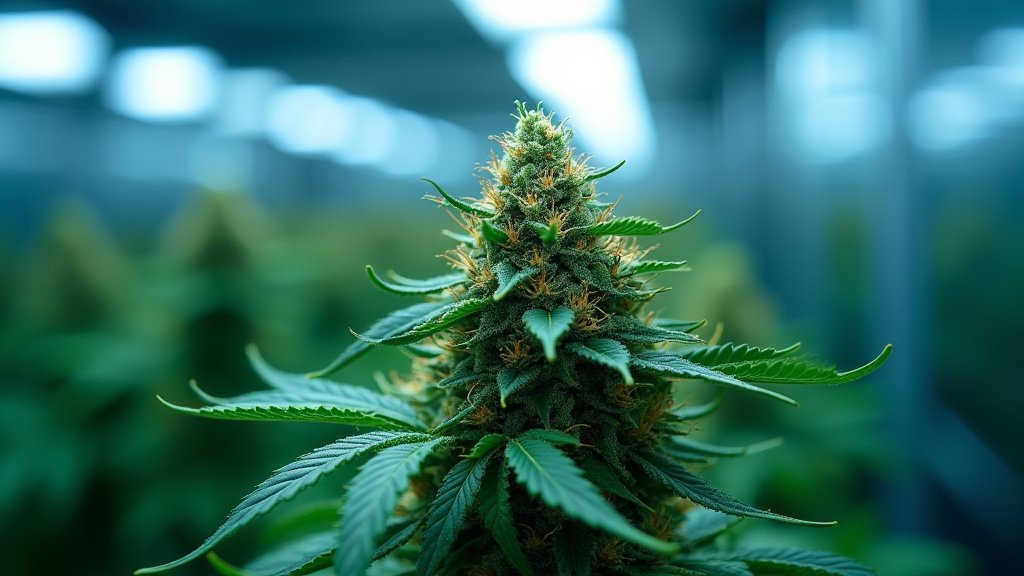
BANGKOK – Thailand’s thriving cannabis industry, which has boomed since decriminalization three years ago, faces an uncertain future as the government signals a decisive move to reinstate a ban on recreational use.
The proposed policy shift, limiting consumption strictly to medical purposes, marks a significant reversal that threatens thousands of businesses and an industry estimated to be worth over $1 billion. The catalyst for this potential change came this week with Public Health Minister Somsak Thepsuthin’s signing of a new directive aimed at tightening regulations and reclassifying cannabis as a narcotic.
Strict New Rules Proposed
Under the proposed changes, accessing cannabis will become considerably more restrictive. Individuals seeking to purchase cannabis will be required to present a doctor’s prescription and a medical certificate. This moves away from the widespread availability seen since cannabis was removed from the country’s narcotics list in 2022.
Furthermore, the new framework would impose stringent requirements on retailers. Shops seeking to obtain or renew a license will need a licensed doctor physically on-site, a significant operational hurdle for many existing dispensaries. Minister Somsak Thepsuthin also indicated the government’s intention to classify cannabis as a narcotic substance in the future, completing the policy U-turn. The new rules are poised to take effect swiftly upon their publication in the Royal Gazette, a step that could occur within days.
Government Cites Social Concerns
The Pheu Thai government, which came to power prioritizing a stricter approach to cannabis, argues that the current unregulated environment has led to undesirable social consequences. Government spokesman Jirayu Houngsub articulated this stance, stating that unregulated access has created serious social problems, especially for children and young people. He emphasized the necessity for the policy to return to its original stated goal of medical use only, suggesting the broad decriminalization went beyond the initial intentions.
Concerns about a surge in cannabis-related health issues have also been noted by authorities, contributing to the push for re-regulation. The government maintains that controlling access via medical channels is essential to protect public health and welfare.
Industry Faces Disruption
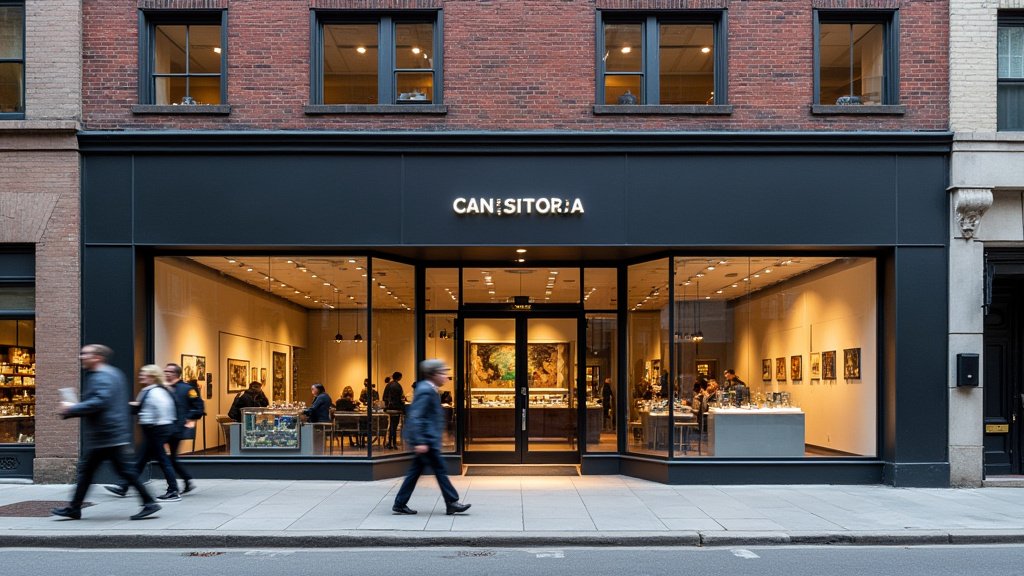
The potential reintroduction of a ban on recreational use casts a large shadow over an industry that has seen explosive growth. There are an estimated 18,000 cannabis shops nationwide, ranging from small kiosks to large dispensaries, many of which cater significantly to the tourist market that flocks to Thailand’s beaches and cities. Approximately 1,500 of these shops are located in major tourist areas alone, such as the southern island of Phuket.
Since decriminalization in 2022, entrepreneurs have invested heavily in cultivation, retail, and related services, capitalizing on the burgeoning market. The prospect of a rapid regulatory change threatens these investments and the livelihoods of those working in the sector.
Industry participants have voiced shock and concern over the proposed ban. Punnathat Phutthisawong, a 25-year-old who works at a dispensary in Bangkok, highlighted the substantial investments made by business owners. “We invested a lot,” he stated, expressing the widespread sentiment of dismay within the industry.
Cannabis activist Chokwan “Kitty” Chopaka, a prominent figure in the movement for legalization and regulation, commented on the political dimension of the decision. She suggested that the cannabis industry has become a “hostage to politics,” implying that policy is being driven more by political considerations than by evidence-based regulation or economic impact.
Uncertainty Looms as Implementation Nears
The swift timeline for implementation – potentially within days of publication in the Royal Gazette – adds to the anxiety across the sector. Businesses that have operated legally and openly for the past three years are now grappling with the possibility of having to fundamentally alter their operations or cease them altogether in the very near future.
The move by the Pheu Thai government represents a significant policy pivot from the previous administration, which oversaw decriminalization. As Thailand prepares for this potential shift, the domestic cannabis industry holds its breath, facing the imminent prospect of navigating a drastically different legal landscape and the potential unwinding of a billion-dollar market built over the last three years.