BANGKOK – Thailand is grappling with a wave of political dissent and significant policy challenges in mid-2025, underscoring a period of palpable uncertainty for the Southeast Asian nation. The government of Prime Minister Paetongtarn Shinawatra faces mounting pressure from the streets and legal scrutiny, while contentious policy decisions, particularly regarding cannabis regulation, stir widespread debate and industry pushback.
Political Tensions Escalate
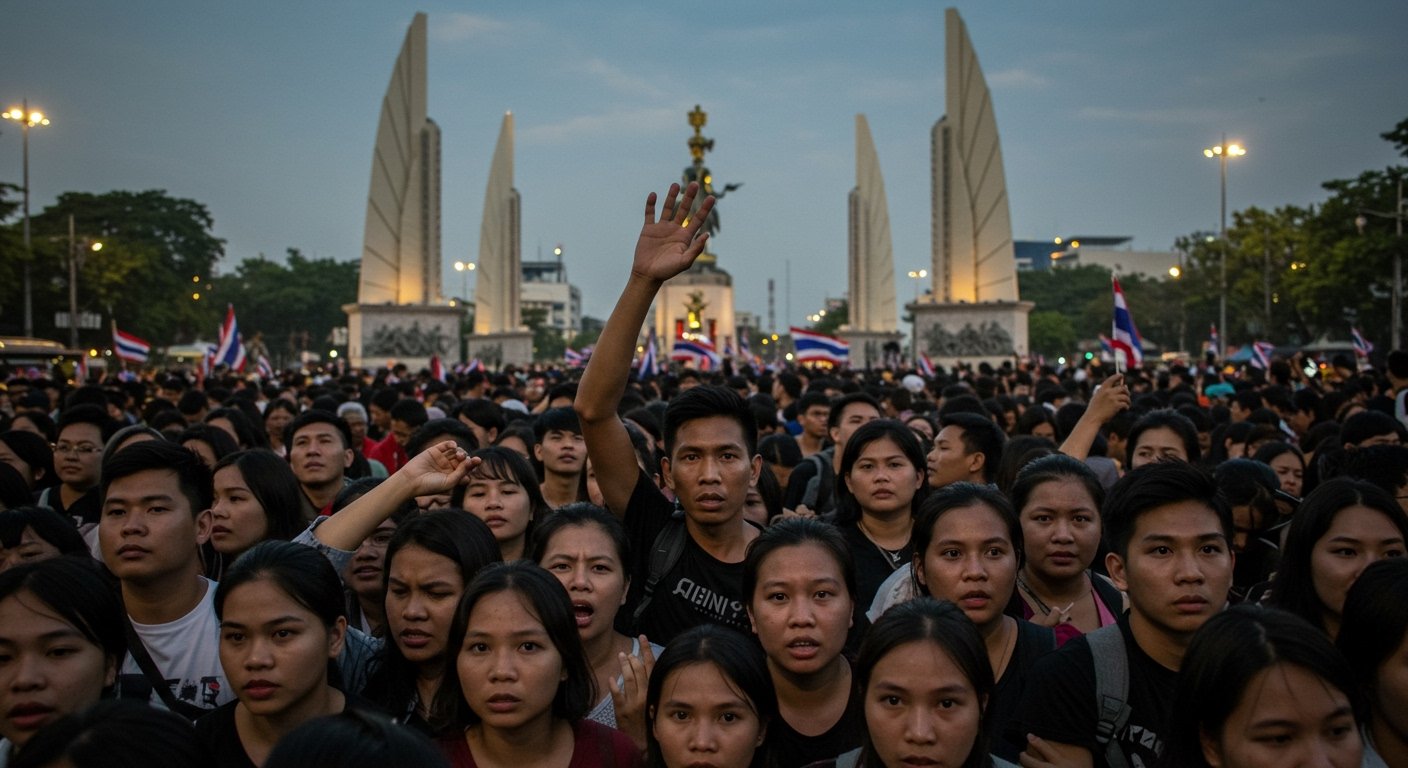
The political landscape was notably shaken on June 30, 2025, when over 6,000 protesters converged at the Victory Monument in Bangkok. The large-scale demonstration represented the largest public dissent seen since the Pheu Thai Party assumed power and was fueled by fervent demands for the immediate resignation of Prime Minister Paetongtarn Shinawatra. The catalyst for the renewed wave of protests appears to be a controversial leaked phone call involving the Prime Minister and former Cambodian leader Hun Sen, the contents of which sparked public outrage and accusations of undermining national interests.
The atmosphere at Victory Monument was charged, described by observers as energized by pro-sovereignty sentiments and featuring fervent music that underscored the deep emotional commitment of the demonstrators. The turnout and intensity signal a significant challenge to the government’s stability and popularity, reflecting underlying frustrations within segments of the populace.
Adding to Prime Minister Paetongtarn’s challenges, she is also facing a separate, critical review by the Constitutional Court. The nature and potential outcomes of this legal process remain a point of close watch for both the public and political analysts, carrying implications for her tenure and the government’s future.
Cannabis Regulation at a Crossroads
Simultaneously, the government is navigating complex and contentious policy debates, most prominently concerning the regulatory framework for cannabis. Following the decriminalization in 2022, Thailand’s cannabis industry has experienced rapid growth, but questions surrounding control and public health persist.
The government had signaled intent to implement more stringent regulations. However, these proposed changes, which reportedly included requirements for prescriptions for cannabis purchases and significantly stricter controls on cultivation and sales, have encountered widespread pushback from the industry. Businesses and advocates have voiced concerns that overly restrictive rules could stifle economic potential and drive the market back underground.
In response to this significant opposition, the Thai government has announced a delay in the enforcement of these stringent new cannabis regulations. The delay is expected to last for up to two months, providing a temporary reprieve for the industry and likely signaling a period of reassessment or potential modification of the proposed rules before they are enacted.
Broader Socio-Economic Context
These political and policy developments unfold against a broader backdrop of diverse challenges facing Thailand. While the protest movement and cannabis debate capture immediate attention, the country’s authorities also address various socio-economic concerns and maintain public safety.
In a separate incident highlighting the complexities of life in popular tourist areas, a Russian journalist named David was recently the victim of a heist in Pattaya. Reports indicate that the journalist suffered the theft of millions in baht, with stolen assets reportedly including both Bitcoin and a valuable Rolex watch. While seemingly unrelated to the political and policy shifts, such events contribute to the overall narrative of current affairs and security considerations within the nation.
As mid-2025 progresses, Thailand remains at a critical juncture. The interplay between political dissent, legal challenges for the leadership, and the intricate process of establishing regulatory frameworks for new industries like cannabis will shape the country’s trajectory in the coming months. Observers will closely monitor how the government responds to public pressure and industry concerns while navigating the legal and political challenges it faces.