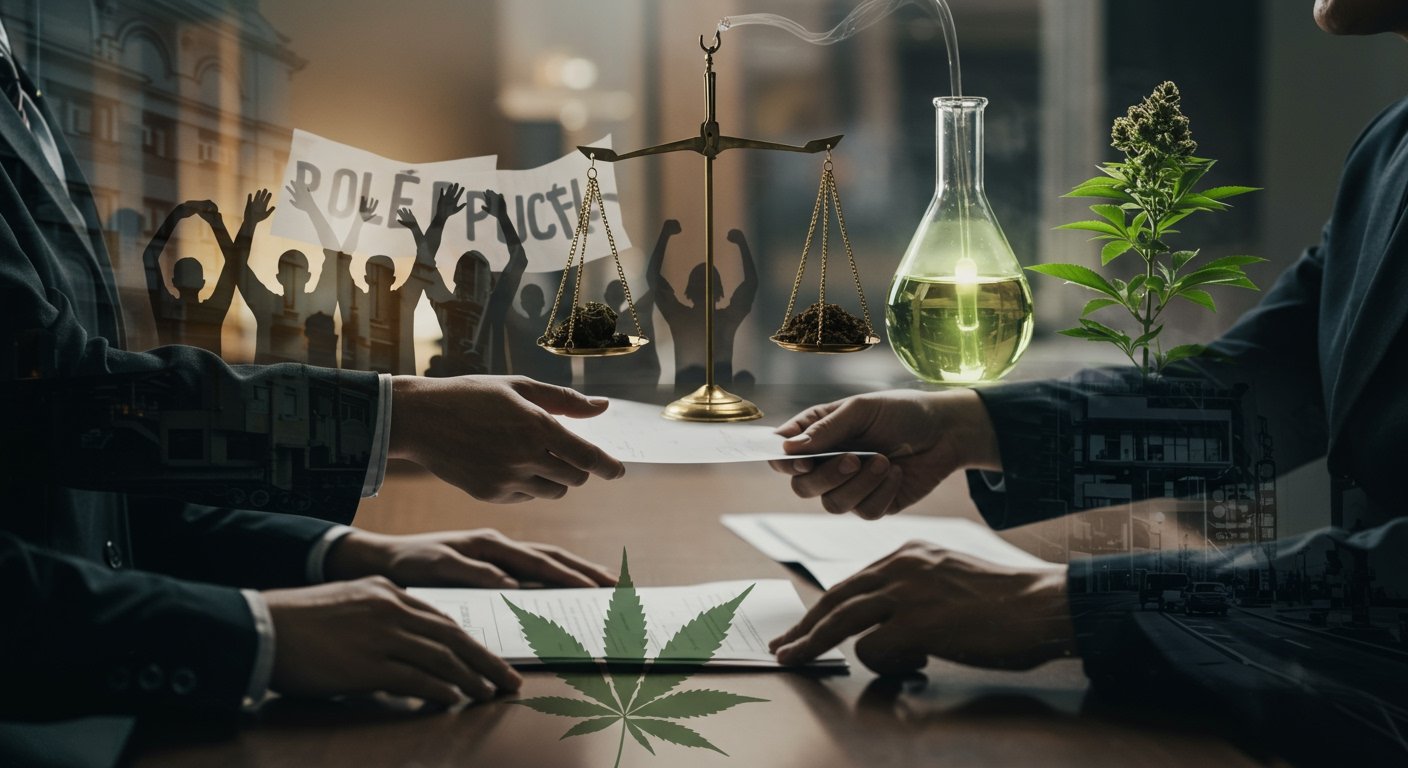
As of June 30, 2025, the landscape of cannabis and drug policy continues to experience dynamic shifts, influencing political strategies, celebrity activism, and legislative action at local, state, and international levels. A comprehensive overview of recent developments, drawing insights from various sources including the Marijuana Moment newsletter dated June 30, 2025, reveals a complex environment where political calculation meets social advocacy and evolving public health considerations.
Political Calculations and Celebrity Pressure
One significant area of discussion within U.S. political circles is the potential impact of cannabis legalization on voter demographics. According to a former congressman cited in the recent dispatch, advocating for cannabis reform could present a viable strategy for the Republican Party to attract younger voters, a demographic segment where the party has historically faced challenges.
Simultaneously, prominent figures are actively engaging with federal leadership on these issues. A letter sent to President Donald Trump from a group including celebrated athletes Mike Tyson, Kevin Durant, and Allen Iverson, alongside musician Wyclef Jean, underscores the increasing involvement of cultural influencers in policy debates. Their communication reportedly urged the president to take specific actions regarding federal marijuana policy, including rescheduling the substance, releasing individuals incarcerated for cannabis-related offenses, and supporting initiatives aimed at improving banking access for state-legal cannabis businesses. This direct appeal highlights the growing pressure on federal authorities to align national laws with the reforms occurring at the state level.
State and Local Policy Movements
Across the United States, state and local governments are implementing diverse approaches to cannabis regulation. In a notable policy shift aimed at addressing concerns about potentially discriminatory enforcement, the Chicago Police Department has reportedly implemented a new policy that discourages searches based solely on the smell of raw cannabis. This move reflects a broader national conversation about the use of sensory cues in policing and their implications for civil liberties.
State capitals remain active arenas for cannabis policy development. Maine Governor Janet Mills, a Democrat, has signed budget legislation that includes provisions to increase marijuana taxes, signaling a potential shift towards greater state revenue generation from the adult-use market. Conversely, in a move that could ease the burden on businesses and consumers, California Governor Gavin Newsom, also a Democrat, has indicated his intention to sign a bill aimed at halting a planned tax increase on cannabis products. This juxtaposition of tax policies in two prominent legal cannabis states illustrates the ongoing debate about the optimal tax burden for the industry.
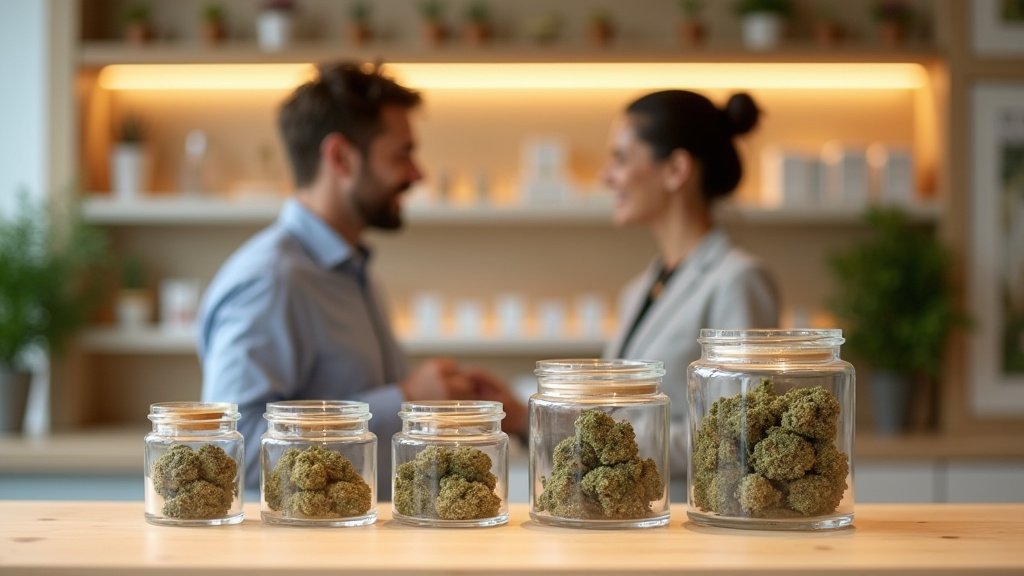
Product safety remains a critical concern within regulated markets. California’s industry has recently faced challenges, including cannabis product recalls due to contamination by aspergillus, a type of mold that can pose health risks. These recalls underscore the importance of robust regulatory oversight and testing protocols to ensure consumer safety within legal markets.
Beyond cannabis, discussions around psychoactive substances are expanding. Former Texas Governor Rick Perry, a Republican, has emerged as a vocal advocate for increased access to ibogaine, a plant-derived compound being studied for its potential therapeutic uses, particularly in treating addiction. This advocacy from a former state leader signifies growing interest in exploring novel approaches to drug treatment.
Local legislative bodies are also addressing specific market segments. In St. Louis, an alderman has put forward a proposal that suggests intoxicating hemp products should only be sold through licensed cannabis dispensaries. This aims to regulate the burgeoning market for derivatives like Delta-8 THC, which exists in a legal grey area under federal law but is increasingly being addressed at the state and local levels.
Global Perspectives and Diverse Developments
On the international stage, global bodies continue to monitor and report on drug trends. The UN Office on Drugs and Crime (UNODC) has published its annual World Drug Report, providing a worldwide assessment of illicit drug markets, policy responses, and related health impacts. These reports offer crucial data for understanding the global context of drug policy discussions, including those surrounding cannabis.
Legislation in other countries is also evolving. Lawmakers in New South Wales, Australia, are reportedly engaged in discussions regarding the potential decriminalization of cannabis, indicating a possible shift in drug policy approach in one of Australia’s most populous states.
Scientific research continues to explore the medicinal potential of cannabis compounds. A recent study on the use of CBD oil for pediatric epilepsy adds to the growing body of evidence supporting the therapeutic applications of cannabinoids for specific medical conditions, driving interest in further research and treatment development.
The intersection of cannabis and other sectors can lead to unexpected stories. A unique report emerged detailing cannabis seeds being launched by SpaceX, highlighting the plant’s journey into novel environments, potentially for research or experimental purposes.
Cultural expressions surrounding cannabis also capture public attention. A Michigan dispensary has drawn notice for featuring a controversial Bigfoot statue, illustrating how the industry is integrating into local communities and sometimes sparking quirky or unexpected reactions.
Finally, looking at the human element of the industry, a recent survey suggests that workers within the marijuana industry report being among the happiest employees in the U.S. This finding provides a qualitative perspective on the work environment and job satisfaction within this rapidly growing sector.
These varied developments, spanning political maneuvering, celebrity appeals, state legislation, international reports, scientific inquiry, and cultural anecdotes, underscore the complex and multifaceted nature of cannabis and drug policy in the mid-2020s, involving stakeholders from government, industry, science, and culture.