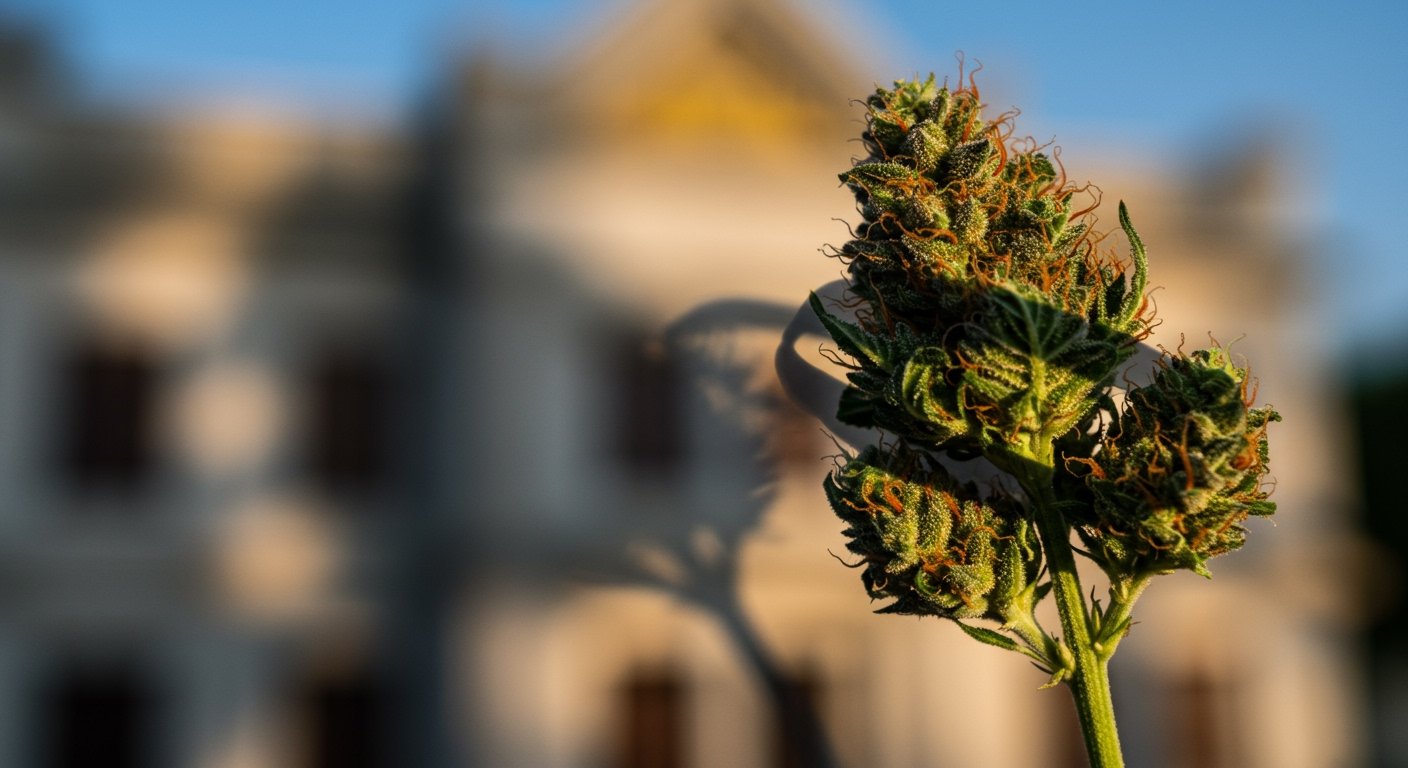
Bangkok, Thailand – In a significant policy reversal, Thai authorities announced on Wednesday, June 25, 2025, the implementation of stricter controls on cannabis sales, effectively limiting its use solely to medical purposes. The move comes three years after the country made headlines by decriminalizing cannabis in 2022, a step that led to a booming, albeit controversial, recreational market.
Public Health Minister Somsak Thepsuthin signed the new order, signaling a firm crackdown following instructions from Prime Minister Paetongtarn Shinawatra. The regulation explicitly permits cannabis use only for medical treatment, drawing a clear line against recreational consumption that had flourished since decriminalization.
A Swift Legal Shift
The new order is poised to take effect swiftly, becoming law the day after its publication in the Royal Gazette. It achieves its aim by revoking a critical 2022 ministerial order that had removed cannabis from the list of Category 5 narcotics, the legal basis for its widespread availability.
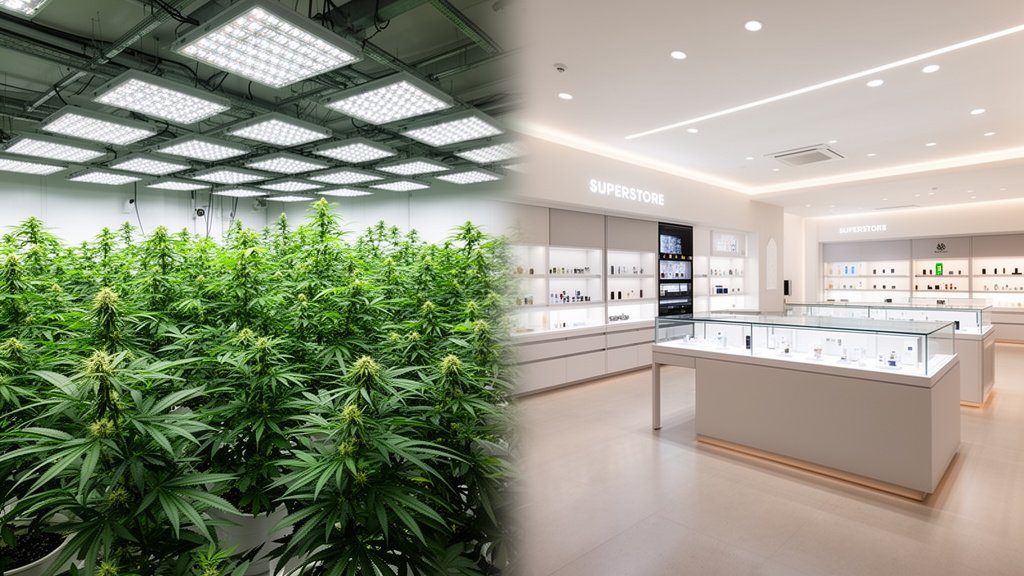
Under the revised framework, only the flowering parts of the cannabis plant have been specifically reclassified as controlled herbs. This targets the plant material primarily used for psychoactive effects. Any individual or organization wishing to undertake research, export, sell, or process these cannabis flowers for commercial purposes must now obtain a license. This requirement is mandated under Section 46 of the Thai Traditional Medicine Wisdom Protection and Promotion Act, creating a structured legal pathway for approved commercial activities while prohibiting unlicensed operations.
Restrictions on Sales and Access
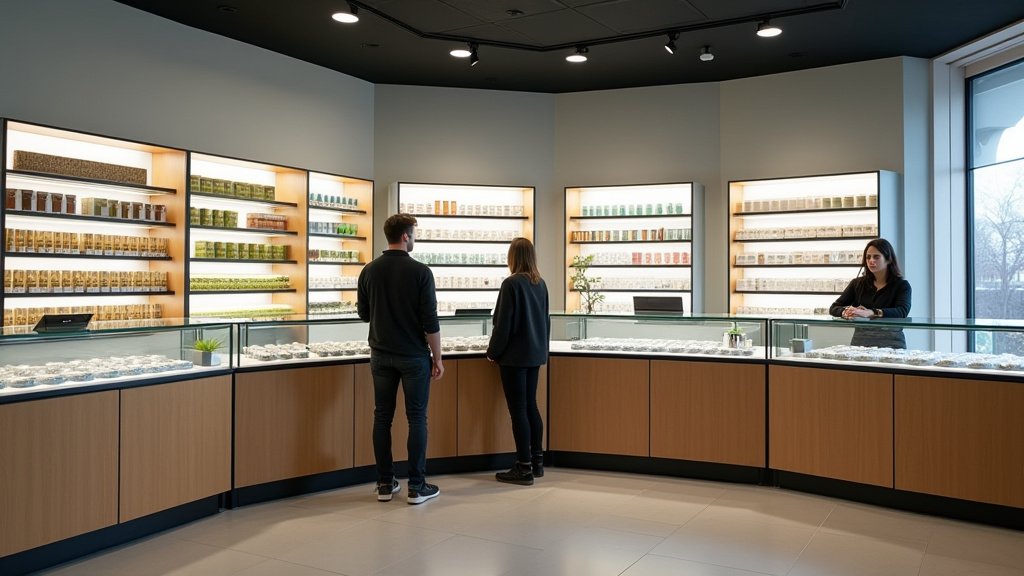
The new regulation imposes outright bans on certain popular sales channels that facilitated easy access for recreational users. Sales of cannabis via vending machines or online platforms are now strictly prohibited, limiting retail points to regulated, physical establishments.
Furthermore, access to cannabis for medical treatment is now tightly controlled, permissible only through licensed practitioners. The order specifies that sales for medical purposes are allowed exclusively by licensed practitioners under the Medical Professions Act, traditional Thai medicine practitioners, applied traditional Thai medicine practitioners, folk healers, and Chinese medicine practitioners. This aims to channel medical supply through recognized healthcare professionals.
Rationale Behind the Policy U-Turn
The government’s decision stems from mounting concerns over widespread misuse of cannabis across the country, particularly among vulnerable groups such as children and the general public. The liberalization in 2022 led to a rapid increase in dispensaries and related businesses, often operating with minimal oversight on who could purchase products.
Authorities have also cited a rise in documented increased addiction cases since decriminalization. Compounding these domestic issues is a reported rise in cross-border smuggling, which authorities suggest was exacerbated by the ease of access within Thailand. These factors were presented as key justifications for the abrupt policy shift towards stricter controls.
Public Health Minister Somsak Thepsuthin has not only implemented these immediate restrictions but has also voiced a long-term objective: a desire to relist cannabis as a narcotic in the future. Such a move would represent the most stringent regulatory stance possible and complete the reversal of the 2022 decriminalization.
Economic Impact and Public Pushback
The sudden imposition of stricter rules is expected to have a profound impact on the cannabis industry, which rapidly grew into a significant economic sector estimated to be worth over $1 billion following decriminalization. Businesses catering to tourists and the recreational market face substantial disruption and potential closure under the new medical-only framework.
The policy reversal has not been met without opposition. Cannabis advocates and industry players have strongly criticized the decision, with many calling the change politically motivated rather than purely driven by public health concerns. Advocacy groups are mobilizing against the new regulations and plan a series of protests, including a significant mass protest scheduled for July 7, indicating potential public resistance to the government’s tightening grip on cannabis.
Thailand’s swift pivot back to a medical-only cannabis policy marks a dramatic shift three years after its groundbreaking decriminalization. Driven by stated concerns over public health and safety, particularly regarding misuse by young people and increased addiction and smuggling, the government is taking decisive action. However, the move faces challenges from an industry that thrived under the previous policy and advocates who question the rationale and impact of the new restrictions.