BANGKOK – Thailand’s burgeoning cannabis industry, which has flourished since the kingdom became the first Southeast Asian nation to decriminalize the plant in 2022, has been thrown into significant turmoil following sweeping new regulations that effectively reverse the policy for recreational use.
The new rules, which officially took effect on Thursday, June 26, 2025, mandate that cannabis can now only be sold with a medical prescription. This significant policy shift bans recreational sales entirely and aims to restrict cannabis use strictly to medical purposes, a move spearheaded by the government led by Prime Minister Paetongtarn Shinawatra’s ruling Pheu Thai Party.
A Rapid Transformation Reversed
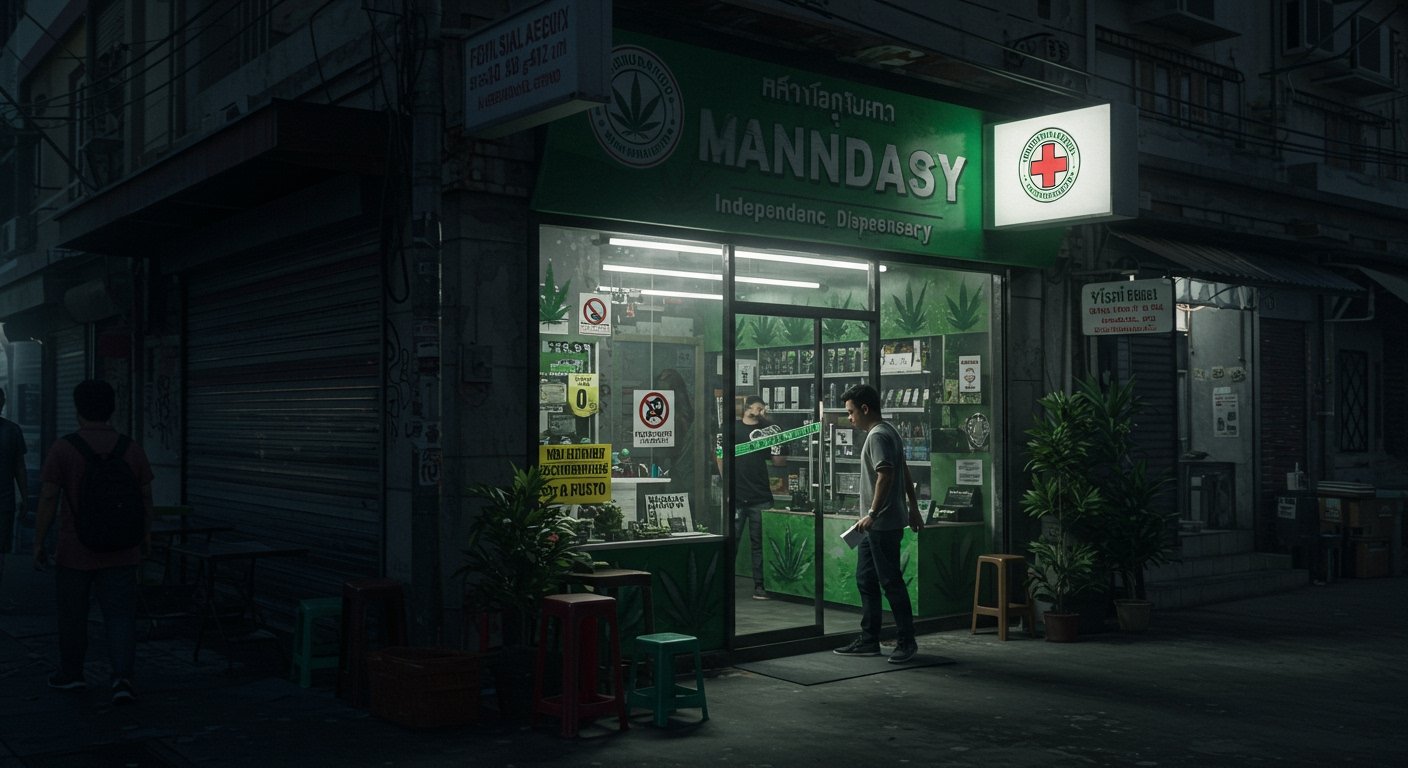
The 2022 decriminalization created a vibrant, largely unregulated market overnight. An estimated 10,000 to 18,000 dispensaries sprang up across the country since June 2022, ranging from small street stalls to elaborate shops in tourist hubs like Bangkok’s Khaosan district. The University of the Thai Chamber of Commerce (UTCC) valued the domestic cannabis industry at a substantial 28 billion baht (US$865 million) in 2022 and had projected its value to soar to 43 billion baht in 2025, anticipating continued growth before the policy reversal.
However, the rapid proliferation of dispensaries and the perception of widespread recreational use without medical oversight led to mounting concerns from some segments of the public and politicians, paving the way for the current government’s crackdown.
Strict New Requirements Imposed
The regulations implemented on June 26, 2025, introduce stringent controls. Beyond requiring a prescription for purchase, the new rules stipulate that all cannabis sold must originate from farms holding “Good Agricultural and Collection Practices” (GACP) certifications. This requirement aims to ensure quality and safety but presents a significant hurdle for many smaller cultivators who may lack the resources or knowledge to obtain the certification quickly.
Furthermore, the regulations limit customer purchases to a 30-day supply, a measure designed to control the quantity of cannabis accessible to individuals, even those with prescriptions. The explicit ban on recreational sales marks a definitive end to the open market that characterized the past two years.
Political Undercurrents and Industry Backlash
This dramatic policy reversal occurs amid a backdrop of political uncertainty in Thailand. The move follows the withdrawal of the pro-cannabis Bhumjaithai Party from the government coalition, a development that observers suggest cleared the path for the Pheu Thai-led administration to pursue a stricter approach to cannabis regulation.
Industry figures have voiced strong criticism against the new rules, viewing them as politically motivated rather than grounded in public health necessity. Rattapon Sanrak, the owner of Highland Cafe, a well-known establishment in Bangkok’s Khaosan district, lambasted the policy shift.
“These rules are politically motivated and will only serve to push the industry underground,” Sanrak stated, highlighting the difficulties farms, particularly smaller ones, will face in complying with the GACP certification requirement. He argued that without clear pathways to legal compliance for existing businesses, many would be forced into illicit operations.
Concerns about potential corruption have also been raised. Prasitchai Nunual, secretary-general of a prominent pro-cannabis advocacy group, warned that the prescription requirement could inadvertently create a market for fraudulent medical certificates.
“Requiring a prescription without a widely accessible, legitimate system for obtaining one risks creating a black market for fake documents,” Nunual explained, suggesting that the policy might exacerbate issues rather than solve them.
Future Classification and Public Response
The government’s long-term stance appears to favor even tighter controls. Public Health Minister Somsak Thepsuthin has indicated that the government plans to classify cannabis as a narcotic substance in the future, a move that would effectively undo the 2022 decriminalization entirely and place cannabis back under strict drug laws.
In response to the regulations and the potential future reclassification, Thai cannabis advocates and industry stakeholders are mobilizing. A mass rally protesting the new policies is planned for July 7, signaling ongoing resistance and a desire to push back against the government’s rapid pivot on cannabis.
The abrupt shift in policy has left thousands of dispensary owners, cultivators, and workers facing an uncertain future, dismantling an industry that had become a significant economic force and raising questions about the government’s approach to regulation and enforcement.