Bangkok, Thailand — Thailand’s burgeoning cannabis industry, which blossomed following the nation’s groundbreaking decriminalisation in 2022 – marking it as the first country in Asia to take such a step – is now navigating significant turbulence. A dramatic policy reversal is set to require individuals to possess a medical prescription to purchase cannabis at dispensaries, a move implemented just three years after the initial liberalisation that effectively removed the plant from the narcotics list.
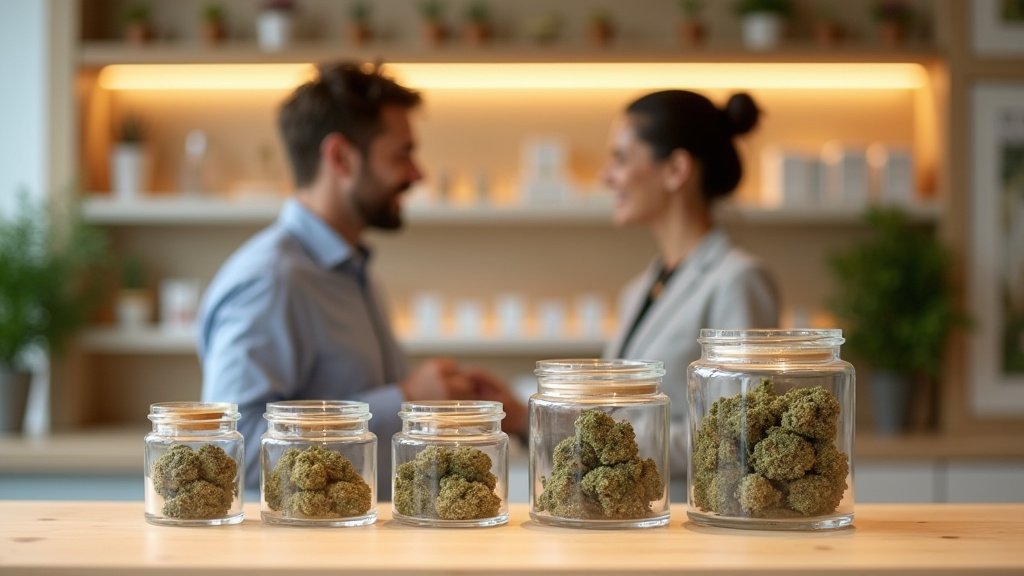
This sudden shift has reportedly thrown the fledgling industry into chaos, according to various stakeholders and reports from within the sector. The period since decriminalisation witnessed an explosion in the number of cannabis retail outlets across the country, with estimates suggesting between 10,000 and 18,000 dispensaries have opened their doors nationwide since 2022, catering to both locals and tourists drawn by the new freedoms.
The Policy Pivot
The initial decriminalisation in June 2022 was met with a mix of excitement and caution. While it spurred rapid industry growth and economic opportunity, concerns about recreational use and public health implications persisted. The current government has indicated a desire to revert cannabis use back primarily for medical and research purposes, leading to the proposed prescription requirement.
Under the new framework, only patients with certified medical conditions would be eligible to obtain cannabis products through approved channels, a stark contrast to the open-access market that developed over the past three years. This regulatory tightening aims to bring more control to the sector, which many felt had expanded too rapidly with insufficient oversight.
Industry Fallout and Criticism
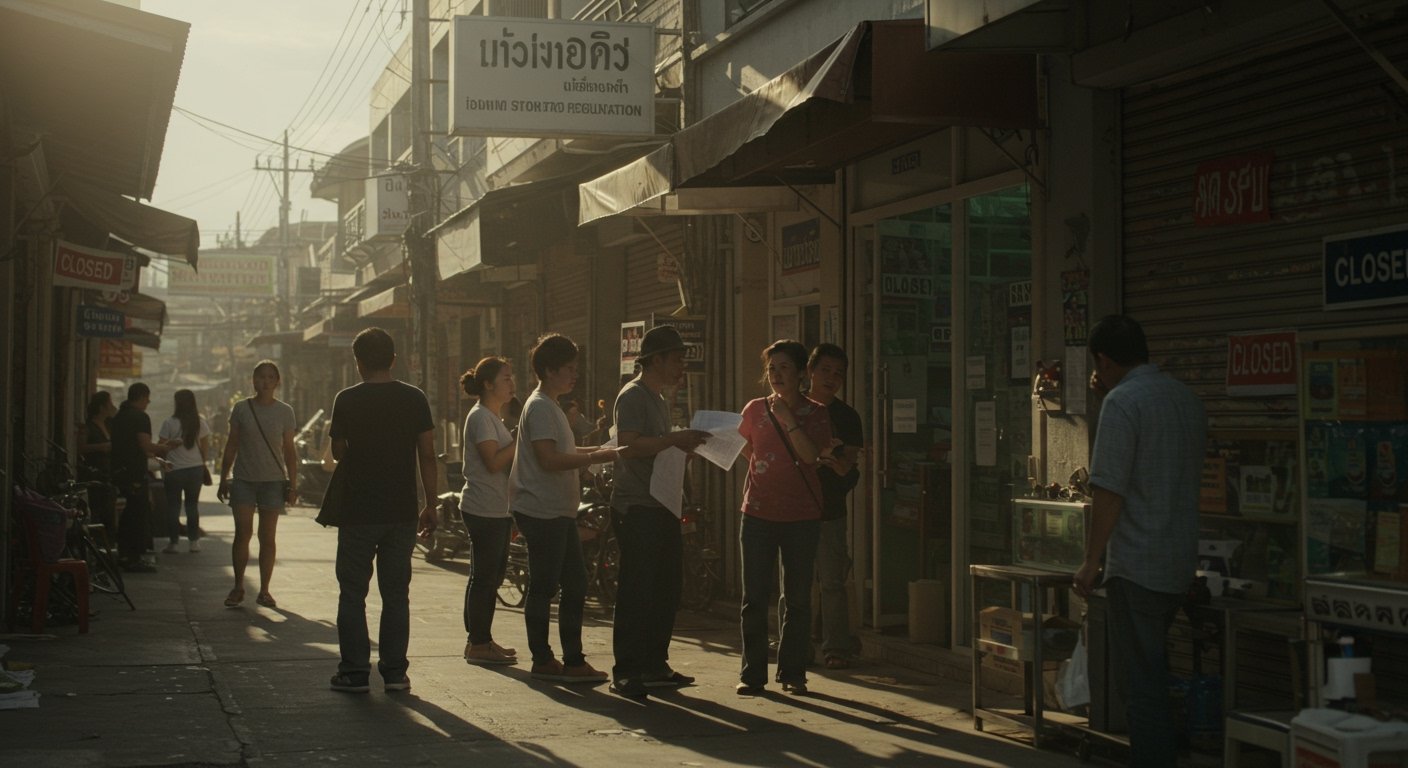
The proposed requirement for medical prescriptions has ignited widespread concern among business owners and advocates who invested heavily based on the previous policy. Many fear that the sudden implementation of this rule will render a vast number of existing dispensaries, particularly those geared towards wellness or adult-use consumers, unviable virtually overnight.
Critics argue that the process of obtaining a medical certificate for cannabis could become a new source of problems. Prasitchai Nunual, the secretary-general of a prominent pro-cannabis group, voiced concerns that securing a medical certificate can be easily done, potentially paving the way for corruption and the issuance of prescriptions that do not genuinely align with medical reality. This sentiment highlights fears that the regulation might be circumvented, creating a grey market, or conversely, stifle legitimate businesses while failing to address the stated public health goals effectively.
Economic Implications
The economic potential of Thailand’s cannabis industry was widely acknowledged following decriminalisation. The University of the Thai Chamber of Commerce (UTCC) had estimated the domestic cannabis industry to be valued at 28 billion baht (approximately US$865 million) in 2022 alone, in the wake of the policy change. Looking ahead, the UTCC had projected continued robust growth, estimating the market could reach 43 billion baht by 2025.
The current policy uncertainty and the impending prescription requirement cast a shadow over these optimistic forecasts. Industry stakeholders worry that reversing course could severely impede future growth, deter investment, and lead to significant financial losses for businesses that were established under the previous regulatory environment. The potential closure of a substantial number of the estimated 10,000 to 18,000 dispensaries could have cascading effects on employment and related sectors.
Looking Ahead
The Thai government is currently navigating the complex process of implementing this policy reversal. While the stated intention is to control the use of cannabis and mitigate perceived negative social impacts, the method and speed of implementation are critical factors for the survival of the established industry. The balance between public health concerns and economic realities presents a significant challenge. As the regulations firm up, the thousands of business owners and employees in Thailand’s cannabis sector await clarity, grappling with the uncertainty that has descended upon their rapidly transformed market.