The United States cannabis beverage market has experienced a significant surge, with sales surpassing $1.1 billion in 2024, according to a comprehensive report by Whitney Economics. This milestone underscores a substantial shift in consumer preferences, with individuals increasingly turning to THC-infused drinks as a preferred alternative to traditional alcoholic beverages. The sector’s rapid growth is fueled by evolving consumer lifestyles, a focus on wellness, and expanding legalization across numerous states.
The Evolving Landscape of Consumer Choice
A confluence of factors has propelled THC beverages into the mainstream. As consumers, particularly millennials, seek healthier and more controlled consumption methods, cannabis drinks offer an appealing solution. These beverages provide a social experience without the adverse effects commonly associated with alcohol, such as hangovers and high calorie counts. Art Massolo, Vice President of Business Development at Cycling Frog, notes that THC beverages are “helping shape a new kind of drinking culture — one rooted in control, wellness, and enjoyment”. The 2018 Farm Bill, which legalized hemp production, has been instrumental, allowing for the proliferation of hemp-derived THC beverages through a wider array of retail channels, often circumventing the stricter regulations applied to marijuana-based products.
This trend is not only transforming consumer habits but also impacting established industries. THC beverages are providing a crucial revenue stream for sectors experiencing declines, such as beer, wine, and spirits. The market’s dynamism is further evidenced by innovations in flavor profiles, low-dose formulations, and diverse product types, from sparkling waters to seltzers, appealing to both novice and experienced consumers.
Market Growth and Industry Milestones
Whitney Economics estimates that legal sales in the U.S. for THC beverages ranged between $1.0 billion and $1.3 billion in 2024. Looking ahead, the market’s potential is vast, with projections indicating continued exponential expansion. While estimates vary, industry analysts foresee the global market reaching tens of billions of dollars by the end of the decade. Currently, there are an estimated 500 to 750 brands operating in the U.S. market, with top performers achieving annual sales exceeding $10 million.
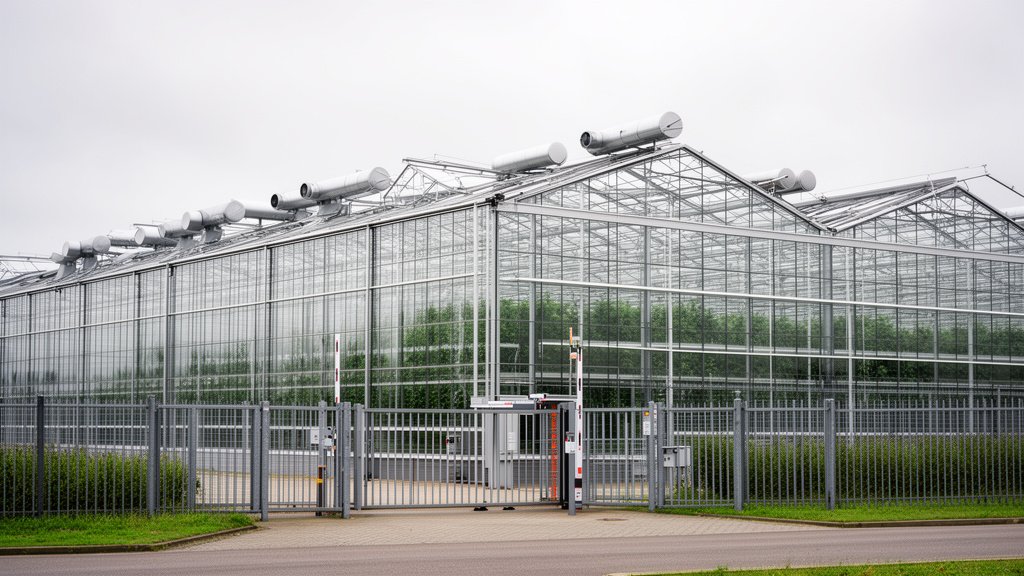
Significant industry news reflects this burgeoning sector. High Tide Inc., a prominent cannabis retailer, recently finalized the acquisition of a majority stake in Remexian Pharma GmbH, marking a strategic entry into Europe’s largest federally regulated cannabis market. This expansion diversifies High Tide’s revenue base and sets the stage for broader European market penetration. Concurrently, True Harmony Company has launched a state-of-the-art, 250,000-square-foot cannabis cultivation facility in White Pine County, Nevada. This development, supported by local authorities, aims to enhance cannabis production and extraction capabilities in the region, showcasing advancements in cultivation equipment and operational sophistication within the industry.
Navigating the Regulatory and Competitive Terrain
Despite the robust growth, the THC beverage market faces regulatory complexities. The absence of a federal framework leaves state regulators grappling with policy creation to ensure consumer protection while fostering market expansion. The legality and accessibility of THC beverages vary significantly by state, with some permitting sales through various retail outlets, while others restrict them to licensed dispensaries. This fragmented regulatory landscape presents both challenges and opportunities for brands navigating distribution and marketing strategies.
The competitive environment is also consolidating, with larger brands capturing a greater share of the market. However, the ongoing innovation in product development, coupled with increasing consumer acceptance, suggests a promising future. The emergence of THC-infused drinks as a significant player in the beverage industry is a clear indicator of a trending shift towards alternative, wellness-oriented consumption. As more cannabis products gain mainstream acceptance, the demand for sophisticated and enjoyable experiences will likely continue to drive the market’s evolution. Industry news and analyses highlight the critical role of advanced tools and equipment in ensuring quality and compliance in cultivation and production, further solidifying the sector’s professionalization.