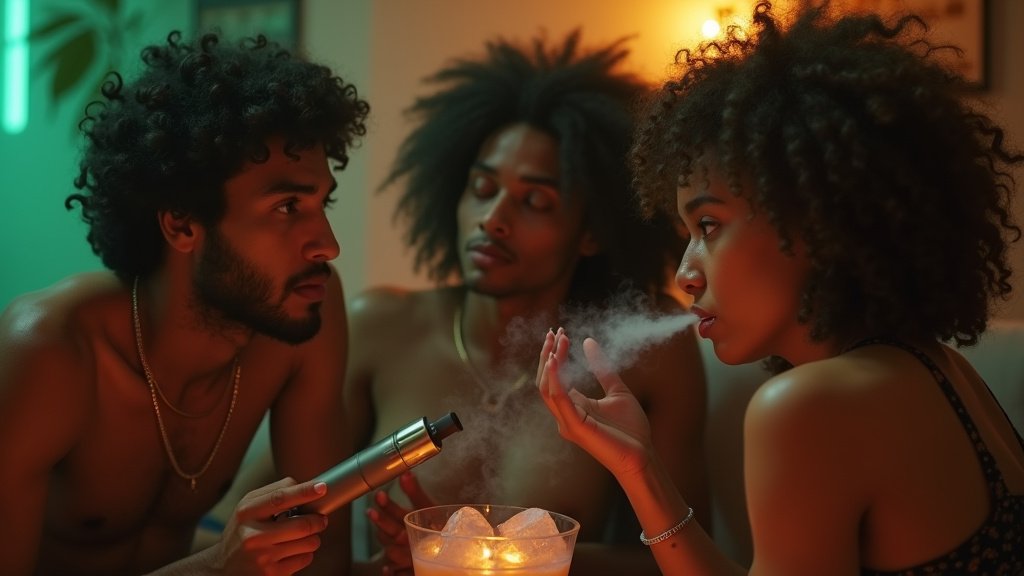
The burgeoning “California Sober” lifestyle, where individuals eschew alcohol in favor of cannabis, is gaining significant traction across the nation, fueled by a growing emphasis on wellness and a reevaluation of traditional sobriety. This trending approach, often characterized by abstaining from alcohol while using cannabis, has prompted scientific inquiry into its potential efficacy, with recent studies suggesting a complex, albeit promising, short-term relationship between cannabis use and reduced alcohol consumption.
The Rise of a New Lifestyle
The term “California Sober” has become a popular moniker for a harm reduction strategy that moves away from the all-or-nothing approach of complete abstinence. It reflects a cultural shift, particularly among younger generations, who are increasingly questioning the role of alcohol in social rituals and personal well-being. Data indicates a measurable decline in alcohol use among younger adults, with a growing preference for cannabis over traditional alcoholic beverages. This evolving lifestyle prioritizes clarity, mental health, and personal choice, positioning cannabis as a more desirable alternative to alcohol, which is often associated with significant physical and emotional downsides. The movement is not about total abstinence from all mind-altering substances for everyone, but rather a deliberate choice to avoid alcohol, which is perceived by many as more detrimental.
Scientific Scrutiny: A Lab-Based Substitution Effect
New research, notably a randomized, placebo-controlled trial conducted by Brown University, has provided some of the clearest causal evidence to date supporting the idea of cannabis acting as a substitute for alcohol, at least in the short term. In controlled laboratory experiments designed to mimic a bar environment, participants who were heavy drinkers and regular cannabis users were given cannabis cigarettes with varying levels of THC or a placebo. The findings revealed that smoking cannabis with active THC led to a reduction in alcohol consumption. Specifically, participants who smoked cannabis with 3.1% THC drank approximately 19% less alcohol, while those who consumed cannabis with a higher dose of 7.2% THC drank about 27% less alcohol compared to when they consumed a placebo. The study also indicated that cannabis use reduced the immediate urge to drink alcohol and delayed the onset of drinking, supporting the substitution model that underpins the California Sober trend.
Nuances, Limitations, and Potential Risks
Despite these intriguing findings, researchers emphasize that the study’s implications are nuanced and do not constitute a recommendation for cannabis as a therapeutic substitute for alcohol. The observed effects were short-term and occurred within a controlled laboratory setting, and it remains unclear whether these reductions translate to real-world scenarios. Furthermore, the study did not assess long-term effects, and experts caution that cannabis itself can be addictive and lead to problematic use, much like alcohol. Some research also suggests that in certain contexts, particularly when cannabis and alcohol are used concurrently or by individuals prone to combining substances, cannabis might inadvertently increase drinking or cravings.
Shifting Perspectives on Sobriety
The growing popularity of the California Sober lifestyle highlights a broader societal conversation about harm reduction and the effectiveness of traditional abstinence-only models of recovery. While some addiction specialists express concern that replacing one substance with another may not address the root causes of addiction and could pose a relapse risk, others acknowledge the potential for cannabis to help individuals manage their drinking habits. The trend represents a departure from rigid definitions of sobriety, favoring a more individualized and pragmatic approach to substance use management. This news is unfolding amid a broader cultural reorientation away from intoxication as a default mode of socializing.
Conclusion: A Promising but Complex Frontier
As the “California Sober” trend continues to capture attention, scientific research offers preliminary insights into its potential to influence alcohol consumption. The Brown University study provides compelling evidence of short-term reductions in drinking and urges following cannabis use in a controlled setting. However, the complexity of substance use, the potential for cannabis dependence, and the unknown long-term consequences mean that this lifestyle choice is not without its considerations. The evolving understanding of cannabis and alcohol interaction underscores the need for continued research to fully grasp the implications of this increasingly prominent lifestyle choice.