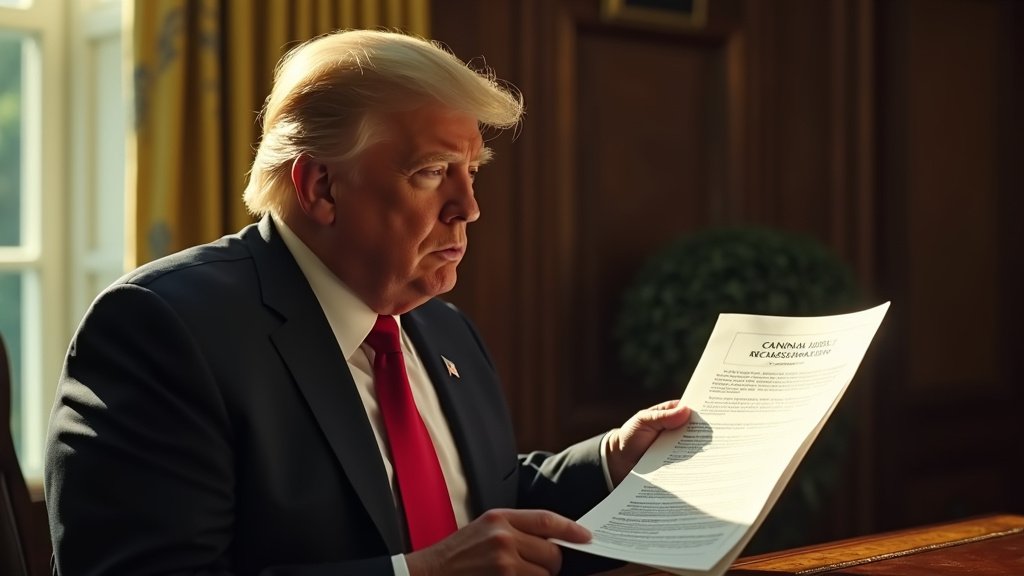
President Trump is considering a significant policy change. He may reclassify marijuana. This action would move it from Schedule I to Schedule III. This news is trending widely. It marks a major shift in US cannabis policy. The potential order could arrive soon. Some reports suggest December 15, 2025. This move has sparked varied reactions.
Understanding the Rescheduling
Currently, marijuana is a Schedule I drug. This places it with substances like heroin. These have high abuse potential. They lack accepted medical use. Schedule III drugs have lower abuse potential. They also have accepted medical use. Examples include ketamine and Tylenol with codeine. Reclassifying cannabis acknowledges its medical value. It also suggests less risk. This is a key development for cannabis news.
Key Implications Unveiled
Rescheduling would not legalize cannabis. It would still be federally controlled. However, it eases many restrictions. Medical research could accelerate. Access for researchers would improve. Tax burdens on cannabis businesses might decrease. Section 280E of the IRS code could be lifted. This would allow normal business deductions. It could boost industry profits. Banking access might also improve. Financial institutions may become more willing. This could lead to more investment. Criminal penalties for some offenses may lessen. Increased FDA oversight is also expected. This could pave the way for drug approvals. Many experts see this as a step forward.
Diverse Lawmaker Responses
Bipartisan lawmakers are reacting. Democrats largely welcome the news. They see it as overdue reform. Rep. Alex Ocasio-Cortez calls it a “no-brainer.” She believes it is a positive step. However, some want more action. They push for full descheduling. Some Republicans express concern. Rep. Andy Harris opposes the plan. He disagrees with the potential change. Speaker Mike Johnson reportedly has reservations. He communicated these concerns to the President. Some lawmakers question the process. They cite a lack of transparency. This is a complex political issue.
Voices for and Against Reform
Governor Jared Polis of Colorado supports the move. He advocates for cannabis reform. Polis stated it is “far past time” for the federal government to catch up. He highlighted Colorado’s leadership in policy. Other advocacy groups agree. They believe it legitimizes medical use. Conversely, some voices oppose it. Diane Carlson of One Chance to Grow Up voiced opposition. She fears it endangers youth. Carlson believes it misrepresents science. She argues it primarily serves the industry. The National Drug & Alcohol Screening Association (NDASA) also voiced concerns. They worry about workplace safety. They fear it could lead to fewer drug tests for safety-sensitive jobs. This debate highlights differing views. It shows the complexity of cannabis news.
Industry and Investor Outlook
Canadian cannabis companies are watching closely. Their stocks saw a surge on the news. This suggests optimism for expansion. Companies like Tilray Brands and Canopy Growth could benefit. U.S. cannabis businesses hope for relief. Ending Section 280E is a major factor. It could significantly lower their tax rates. Banking challenges might also ease. However, some industry leaders have warnings. They fear new federal legal risks. Pharmaceutical companies could gain more power. This could impact existing dispensaries and growers. The trend suggests major shifts ahead.
Future Outlook
Rescheduling is not full legalization. It is a significant step, though. It formally recognizes medical value. It reduces federal barriers. The exact impact remains to be seen. It depends on further actions. Congress and the administration face ongoing debates. The evolving cannabis landscape continues to trend. This news marks a new chapter. It could reshape the industry. It also impacts millions of Americans. The future of cannabis policy remains dynamic.