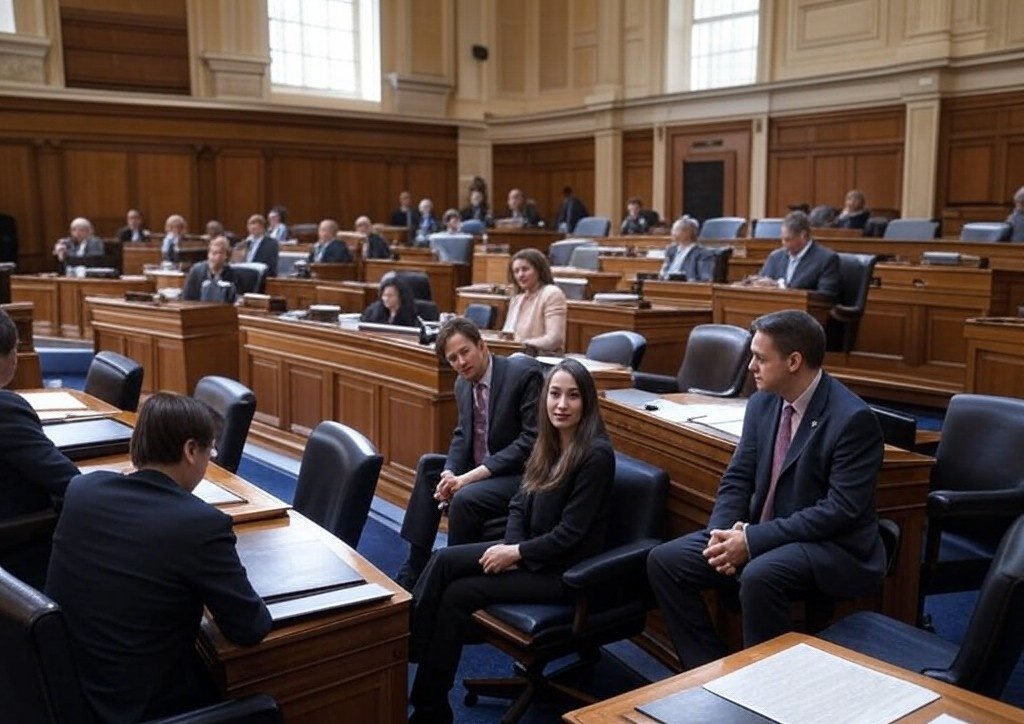
In a significant legislative development, the Virginia Senate on Friday approved a bill aimed at licensing and regulating retail marijuana within the commonwealth. This landmark decision, passed strictly along party lines with a 21-19 vote, signals a pivotal move in the state’s approach to cannabis sales. The measure, known as SB 970 and introduced by Senator Aaron Rouse (D), saw no support from Republican senators, while every Democrat in the chamber voted in favor.
If enacted, this legislation would allow adults aged 21 and older to purchase up to 2.5 ounces of marijuana from state-licensed retailers, with sales projected to commence no earlier than May 1, 2026. The Virginia Cannabis Control Authority is expected to start issuing business licenses as early as September of this year, paving the way for a regulated market.
Understanding the Framework of SB 970
The proposed legislation aims to create a structured regulatory framework for adult marijuana use and sales, focusing on public safety and consumer protection. Purchases of adult-use marijuana would be subject to taxes that could reach as high as 11.625 percent. Local governments would have the authority to ban marijuana establishments within their jurisdictions, but such actions would require voter approval.
Rouse emphasized the importance of regulation in addressing the current illegal market that has emerged in Virginia. “In recent years, we’ve seen the unchecked proliferation of illegal and unregulated marijuana stores that has put Virginians at risk as unlicensed drug dealers sell billions of dollars of untested and untaxed products, and frequently to children,” he stated. His bill aims to “ensure that products are tested for safety, accurately labeled, sold in a controlled environment and kept away from kids.”
The Current State of Cannabis Legislation in Virginia
Virginia’s cannabis landscape has evolved significantly over the past few years. In 2021, lawmakers passed a Democrat-led initiative that legalized the possession and limited cultivation of cannabis by adults. However, following a shift in political control, Republican leaders blocked the establishment of a regulatory framework for retail sales, leading to the growth of an illicit market valued at an estimated $3 billion.
Last year, a similar proposal for legal sales was passed by the legislature but was ultimately vetoed by Republican Governor Glenn Youngkin. As the current legislative session progresses, it remains to be seen whether the reintroduced SB 970 will face similar opposition.
Key Provisions of SB 970 and Companion Bill HB 2485
The Senate’s bill, along with its companion in the House, HB 2485 introduced by Del. Paul Krizek (D), outlines several critical provisions:
- Retail sales of marijuana could begin as early as May 1, 2026.
- Adults would be permitted to purchase up to 2.5 ounces of marijuana in a single transaction, or an equivalent amount of other cannabis products as determined by regulators.
- A state retail and use tax of 1.125 percent plus a marijuana-specific tax of 8 percent would apply, with local governments able to impose an additional 2.5 percent.
- The Virginia Cannabis Control Authority would oversee the licensing and regulation of the marijuana industry.
- Local governments could ban marijuana establishments only with voter approval through an opt-out referendum.
- Retail outlets would be prohibited from being located within 1,000 feet of another marijuana retailer.
- Only face-to-face sales transactions would be allowed; online sales, vending machines, and delivery services would be prohibited.
- Existing medical marijuana providers could apply to open additional retail establishments, provided they are colocated with their licensed facilities.
- Serving sizes would be capped at 10 milligrams of THC per product, with a maximum of 100 mg THC per package.
- Individuals with certain felony convictions would be ineligible to apply for licenses.
- An equity-focused microbusiness program would be established to promote ownership among historically disadvantaged groups.
Addressing Public Health and Safety Concerns
The legislation includes several provisions aimed at ensuring public health and safety. For instance, adults would be allowed to share up to 2.5 ounces of marijuana with other adults without any financial transaction. However, “gifting” practices, where marijuana is provided as part of another transaction, would be punishable under the law. Additionally, strict penalties are proposed for various offenses related to underage access to marijuana, including selling or providing marijuana to individuals under 21.
The bill also outlines measures to facilitate the safe consumption of cannabis, including regulatory controls on advertising and sales to ensure that minors are not targeted. For example, knowingly selling marijuana to someone under 21 would be classified as a Class 1 misdemeanor, with penalties including jail time and fines.
Economic Impact and Future Prospects
If the legislation progresses and ultimately receives approval, it is expected to create a substantial economic impact in Virginia. The regulated market could generate significant tax revenue, which, according to the bill, would first cover the costs of administering and enforcing the cannabis system. Subsequently, 60 percent of the remaining funds would be allocated to the state’s Cannabis Equity Reinvestment Fund, with additional funding directed toward substance use disorder treatment, pre-K programs for at-risk children, and public health awareness campaigns.
The establishment of a regulated retail market is also anticipated to diminish the current illicit market by offering consumers a safe, legal alternative. By addressing issues of safety, taxation, and public health, Virginia’s move to regulate marijuana sales could serve as a model for other states considering similar legislation.
Conclusion
The Virginia Senate’s approval of SB 970 marks a crucial step toward establishing a legal retail marijuana market in the state. The proposed legislation aims to address the challenges posed by an unregulated cannabis market while promoting public safety and health. As the bill moves forward, stakeholders will be watching closely to see whether it can overcome potential opposition and ultimately lead to the creation of a regulated framework that benefits consumers and the economy alike. The outcome of this legislative effort may not only shape the future of cannabis use in Virginia but also set a precedent for other states navigating the evolving landscape of marijuana legalization.