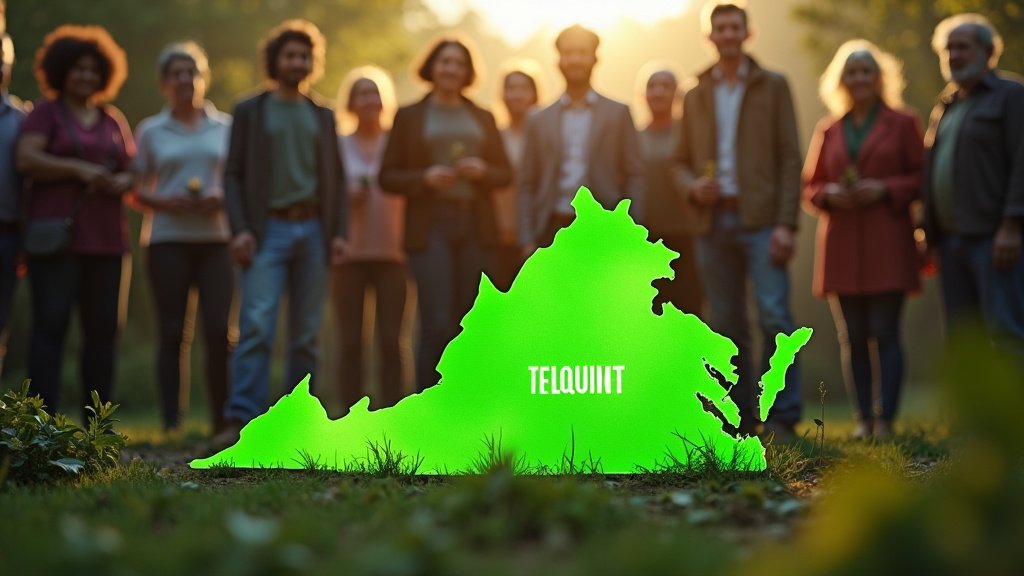
Virginia Aims to Launch Legal Cannabis Market with Equity Focus
Virginia is on the cusp of a major shift. Lawmakers are advancing a new cannabis law. This law seeks to create a regulated retail market. It prioritizes social equity for license applicants. The legislation also includes provisions for geographic diversity. This aims to address past harms and economic disparities.
Background: A Long Road to Legal Sales
Virginia legalized cannabis possession in 2021. Home cultivation also became legal. However, a retail market for adult use remained elusive. Former Governor Glenn Youngkin vetoed multiple retail bills. This stalled progress for years. Now, under Governor Abigail Spanberger, a new path is emerging. Lawmakers have worked to create a comprehensive framework. The Joint Commission to Oversee the Transition is key. Its proposals guide the current legislation. The goal is to move consumers from an illicit market to a safe, regulated one.
The Equity Equation: Who Benefits?
New “impact licenses” are central to the proposal. These licenses reserve spots for specific applicants. The criteria focus on social equity. They target individuals affected by past cannabis laws. This includes those facing economic disadvantage. It also addresses agricultural distress. Geographic inequity is another key factor. This provision aims to give residents from areas like Southwest and Southside a chance. Such regions might have faced economic decline. The law acknowledges that past enforcement disproportionately harmed certain communities.
Addressing Historical Disparities
A 2020 study highlighted stark racial disparities. Black Virginians were arrested and convicted for cannabis offenses far more often. This occurred despite similar usage rates among Black and white residents. The new law seeks to rectify these injustices. It provides pathways for those most harmed by prohibition. The Cannabis Equity Reinvestment Fund will offer support. This fund will provide loans and training. It aims to boost participation from disadvantaged groups.
Market Structure and Key Debates
Retail sales are tentatively slated to begin by November 1, 2026. This date is part of the House bill. The Senate bill suggests January 1, 2027. A cap of 350 retail licenses is proposed. The law aims to prevent market consolidation. It seeks to avoid dominance by large corporations. A significant debate surrounds medical marijuana companies. Advocates want high barriers for them. They fear large firms will control the market. Medical firms view these barriers as market interference. The legislation also allows medical operators to convert to retail licenses. This conversion pathway is controversial.
Economic and Social Implications
Tax revenue from cannabis sales will fund state services. This includes pre-kindergarten programs. It also supports substance use disorder treatment. Public health initiatives are also funded. The Cannabis Equity Reinvestment Fund will receive a significant share. This demonstrates a commitment to community benefit. The proposed tax rate is competitive. It aims to keep prices lower than the illicit market. Local governments can add a small local tax. They will not have the option to ban cannabis businesses entirely.
The Path Forward
This new legislation represents a significant step. It moves Virginia toward a regulated cannabis economy. The focus on social equity and geographic diversity is notable. It acknowledges past wrongs. It seeks to build a more inclusive industry. The law faces further debate and potential amendments. However, its core aims are clear. They are to create a safe, equitable, and prosperous cannabis market for all Virginians. This developing news continues to shape the state’s lifestyle and economy. It offers a trending example of cannabis policy reform. This news story covers a vital aspect of Virginia’s evolving landscape.