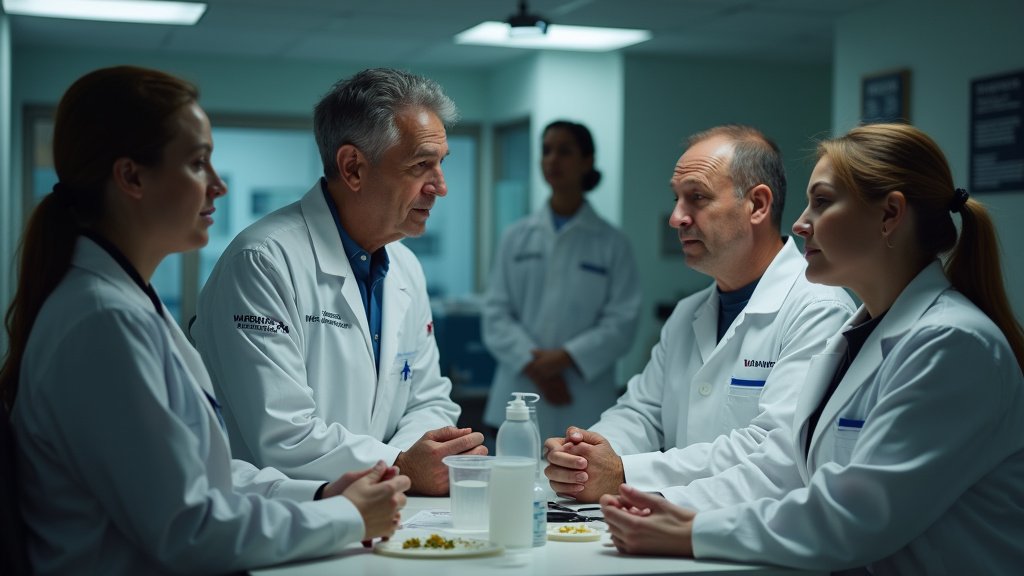
Wayne State University is embarking on vital research. They are investigating cannabis as a treatment for veterans. This initiative aims to address PTSD symptoms. It has received significant state funding. This news is a crucial development. It offers potential new hope for many veterans. This area of research is trending globally.
A Critical Need for Veteran Support
Post-Traumatic Stress Disorder (PTSD) affects many veterans. It can lead to severe mental health challenges. These include depression and anxiety. Veteran suicide rates remain a serious concern. In 2022, 170 Michigan veterans died by suicide. This highlights an urgent need for effective treatments. Many veterans already use cannabis. They do this to manage symptoms like stress and poor sleep. However, scientific data on its effectiveness is limited.
Wayne State’s Ambitious Research Program
Wayne State University secured substantial grants. These funds support multiple research studies. The total funding exceeds $19 million. Dr. Leslie Lundahl leads key studies. She is a professor at Wayne State’s medical school. Her work is part of the “Wayne State Warriors Marijuana Clinical Research Program”. These projects aim to gather high-quality clinical data. The goal is to determine cannabis’s safety and efficacy. This research is vital for evidence-based treatment.
Study Design and Participant Involvement
The research involves rigorous clinical trials. One study plans to recruit 350 veterans. Participants will undergo a 12-week treatment. They will receive various forms of cannabis. Researchers will monitor them for up to a year. Another study design involves two groups. One group continues naturalistic cannabis use. The other group switches to a lower THC/higher CBD product. Some trials will test combinations of THC and CBD. The studies will evaluate effects on mood and mental well-being. They also examine PTSD symptom severity and suicidal thoughts. Brain imaging may also be used.
Funding and State Support
Michigan’s Cannabis Regulatory Agency provides critical funding. This support comes from the Veteran Marijuana Research Grant Program. This program allocates funds for clinical trials. It focuses on veteran medical conditions and suicide prevention. The state’s commitment shows a dedication to veteran care. This funding is a significant step. It allows for complex scientific investigation.
Broader Implications for Veteran Lifestyle
This research could transform veteran healthcare. It seeks to provide a safe and effective option. Such treatments can improve a veteran’s lifestyle. It may reduce reliance on less effective methods. The studies also explore cannabis combined with other therapies. For example, one trial looks at cannabis with Prolonged Exposure therapy. This multimodal approach could offer greater benefits. The news around this research is positive. It reflects a growing interest in cannabis science.
Future Outlook and Scientific Rigor
The Wayne State studies are groundbreaking. They are among the first randomized, placebo-controlled trials. This approach is the gold standard in medical research. Previous studies have shown mixed results. However, robust clinical trials are necessary. They will provide much-needed evidence. This data can inform future treatment guidelines. It could lead to better care for veterans suffering from PTSD. The pursuit of this knowledge is essential. It directly addresses the health crisis facing veterans. The potential impact on veteran lifestyle and well-being is significant. This news highlights trending research in cannabis science. It underscores a commitment to veteran mental health.