2025 Cannabis Market Thrives Amidst Shifting Trends and Regulatory Evolution
The U.S. cannabis industry is experiencing robust growth in 2025. Sales are projected to reach significant milestones. This trend is fueled by new markets and evolving consumer preferences. Despite federal challenges, the sector continues its expansion.
Market Size and Forecasts
U.S. regulated cannabis sales, covering both adult-use and medical markets, are forecasted to reach $39.1 billion by 2029. For 2025, adult-use sales alone hit $23.9 billion. Medical cannabis sales added another $7.6 billion. Some projections estimate total U.S. THC sales to reach $96.5 billion by the end of 2025. Legal dispensary sales account for a substantial portion of this. Intoxicating hemp products also contribute significantly to the overall THC market. Several reports project the U.S. market alone to reach around $45 billion in 2025. Other forecasts see the total addressable market potentially reaching $45.8 billion by 2025.
Leading Product Categories Drive Sales
Certain product categories are leading the sales surge. Flower remains a dominant force, accounting for approximately 40% of legal market revenue in many tracked states. It holds about 45% of market sales overall. Vape cartridges and disposables follow, capturing around 25% of national sales. They represent about 28% of total market sales. Edibles and beverages are also strong contenders, making up 27% of market sales. Edibles alone constitute 16% of total cannabis sales. In Q1 2025, cannabis beverages generated $54.6 million in sales. This shows a notable 15% increase from the previous year.
Growth Fueled by Emerging Markets and Consumer Demand
The expansion of legal jurisdictions is a major catalyst. States like Florida and Pennsylvania are anticipated to significantly boost overall sales. New York, Pennsylvania, and Ohio are predicted to be top contributors to U.S. cannabis sales growth. Consumer demand is increasingly focused on specific benefits. This trend drives growth in products containing minor cannabinoids. Consumers seek products for sleep, relaxation, energy, or focus. Sleep products, in particular, saw an 18% increase in sales year-over-year. Minor cannabinoids like CBN, CBG, and THCV are gaining popularity for their unique, wellness-focused effects.
Regulatory Landscape and Federal Rescheduling News
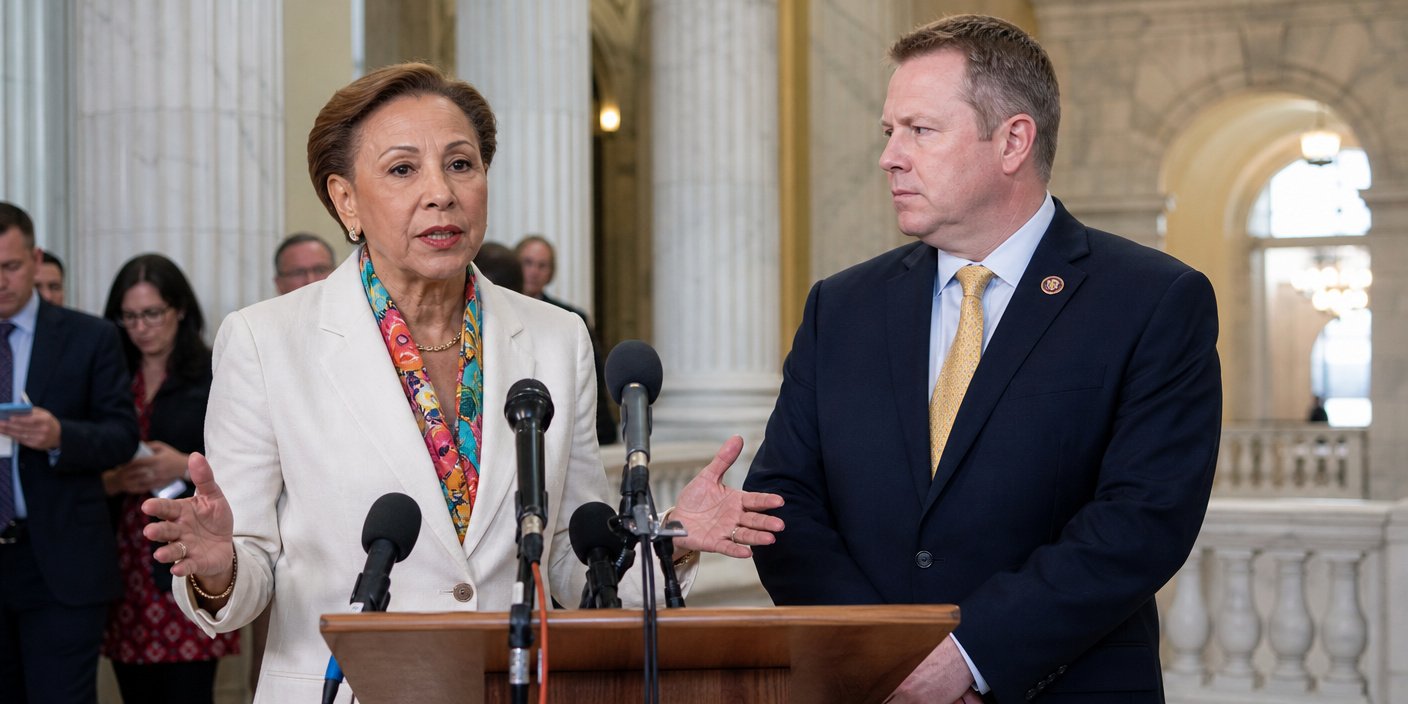
The industry navigates a complex regulatory environment. Ongoing federal prohibition and varied state laws present challenges. However, significant news emerged regarding federal rescheduling efforts. President Trump signed an executive order to expedite the rescheduling of cannabis from Schedule I to Schedule III. This move is viewed as positive news. It could potentially offer a lifeline to hemp-derived products and improve research access. Rescheduling could also allow state-legal operators to access standard federal tax deductions. This would alleviate the burden of IRS Code Section 280E. However, rescheduling is a process with procedural steps and potential legal challenges. It does not immediately legalize cannabis federally. The DEA’s proposed rule to reschedule cannabis to Schedule III is a significant step. This offers hope for tax reform and expanded research.
Evolving Consumer Preferences and Market Challenges
Consumer behavior is shifting. Millennials and Gen Z now account for over 60% of cannabis purchases. They focus on low-dose options, wellness, and sustainability. The market is moving beyond just “getting high” towards functional, specific cannabinoid profiles. However, challenges persist. Oversupply, plunging wholesale prices, and heavy debt burdens affect many operators. Limited access to banking services remains a major hurdle. Market consolidation is also occurring as larger companies acquire smaller ones. Despite these obstacles, the U.S. cannabis market continues its dynamic evolution, presenting opportunities for agile businesses.
The cannabis industry in 2025 reflects a maturing market. Innovations, expanding legal access, and a growing focus on specialized wellness benefits are driving growth. While regulatory hurdles and market pressures exist, the overall outlook remains positive. The industry is trending towards more sophisticated products and targeted consumer experiences.