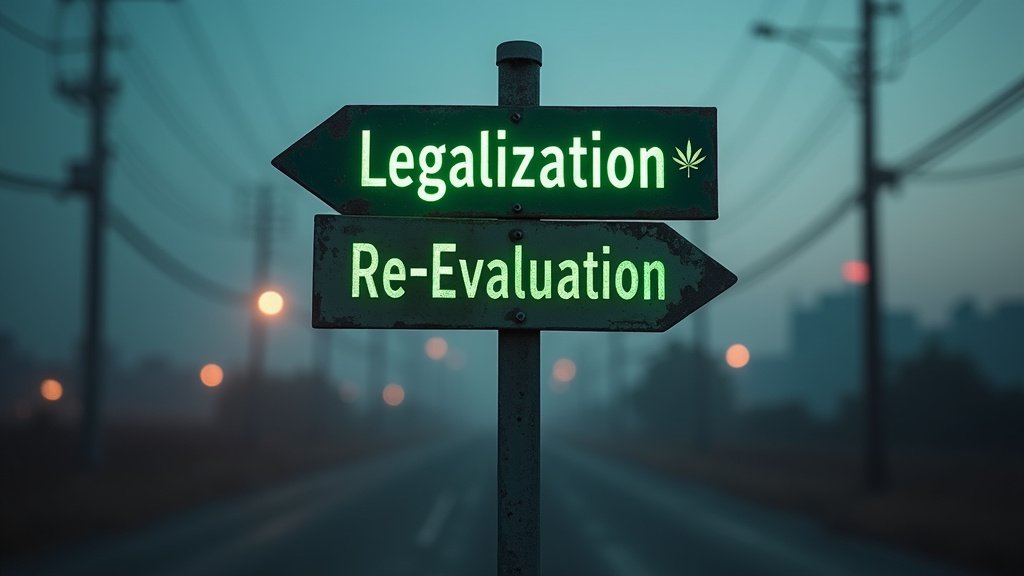
America’s Cannabis Legalization Movement Stalls. Support for cannabis legalization is shifting. This trend is a notable development. The initial rapid expansion now faces scrutiny. Several factors are driving this re-evaluation. This is important news for many.
Public Opinion Takes a Dip
Overall support for legalization remains high. However, a slight decline is visible. Republican voters show a marked decrease. Their support has fallen significantly. This trend suggests a changing political climate. Independents and Democrats remain largely supportive. But the broader shift is evident.
Concerns Mount Over Consequences
New concerns are surfacing about legalization’s impact. Youth mental health is a major worry. Recreational cannabis use by teens links to depression. It also links to suicidality. Risks increase with early use. Developing brains are particularly vulnerable. This is a serious public health issue. Broader mental health effects are also noted. Increased use of antidepressants is observed. Antipsychotic medication use also rises. These trends raise policy questions. Traffic safety presents a complex picture. Some studies show no increase in fatalities. Others link legalization to more impaired driving. Data remains debated and inconclusive. Tax revenue projections often fall short. States expected large financial gains. Actual revenue can miss ambitious targets. Illicit markets persist, undermining legal sales. High taxes can push consumers underground. The cannabis lifestyle faces new questions.
Calls for Policy Reversal
Citizen-led movements are emerging. They seek to roll back cannabis laws. In Massachusetts, an initiative aims to repeal commercial sales. Maine faces similar repeal efforts. These groups cite quality-of-life issues. They also point to youth access concerns. In Ohio, new laws add criminal penalties. These restrict possession and sales. Texas considers a ban on THC products. These actions signal a push for tighter control. Some Republican lawmakers lead these efforts. They seek to undo voter-approved laws. This creates a divided policy landscape.
Federal Policy Hangs in the Balance
The federal government is also navigating changes. The Biden administration proposed rescheduling cannabis. It moved from Schedule I to Schedule III. This would ease research and business burdens. However, political headwinds are strong. The process faces scrutiny and legal challenges. Some argue it is more political than scientific. President Trump also signaled support for rescheduling. He signed an executive order on the matter. Yet, some Republicans oppose any federal changes. This federal debate adds to state-level uncertainty.
A Trend of Re-evaluation
America’s approach to cannabis legalization is at a crossroads. What was once a clear trending path now shows detours. Emerging concerns about public health and safety are prominent. These issues are slowing the momentum. States are reassessing their policies. Federal action faces political hurdles. The cannabis industry faces a more cautious future. Policymakers must weigh potential benefits against risks. The debate over legalization’s true impact continues. This evolving story will shape future regulations. The nation is in a period of re-evaluation.