RALEIGH, North Carolina — State lawmakers and a newly formed advisory council in North Carolina are currently navigating the complex challenge of regulating the state’s rapidly expanding market for synthetic hemp and unregulated cannabis products. The current environment, often described by observers as a “wild west,” has raised significant public safety concerns, prompting urgent calls for legislative action.
Recreational marijuana possession and use continue to be illegal under North Carolina state law.
Addressing Public Safety Concerns
Governor Josh Stein recently established an advisory council tasked with thoroughly studying the issue and developing concrete recommendations for a comprehensive regulatory framework. This move underscores the seriousness with which state leadership views the situation.
A primary driver behind the push for regulation is the lack of clear standards and oversight in the existing market. Concerns highlighted by state officials and public health advocates include the absence of a legal minimum age for purchasing these products, which allows access to individuals of all ages, including children. Compounding this issue is the prevalent lack of enforceable labeling requirements.
Without mandatory labeling, consumers are often left in the dark regarding the precise contents of products and, crucially, their levels of intoxicating compounds, particularly THC (tetrahydrocannabinol). This uncertainty poses risks, especially given the potency of some unregulated products.
Governor Stein’s executive order establishing the advisory council specifically noted a significant and concerning increase in emergency department visits among children and youth aged 17 and under in North Carolina attributed to the ingestion of intoxicating cannabis products.
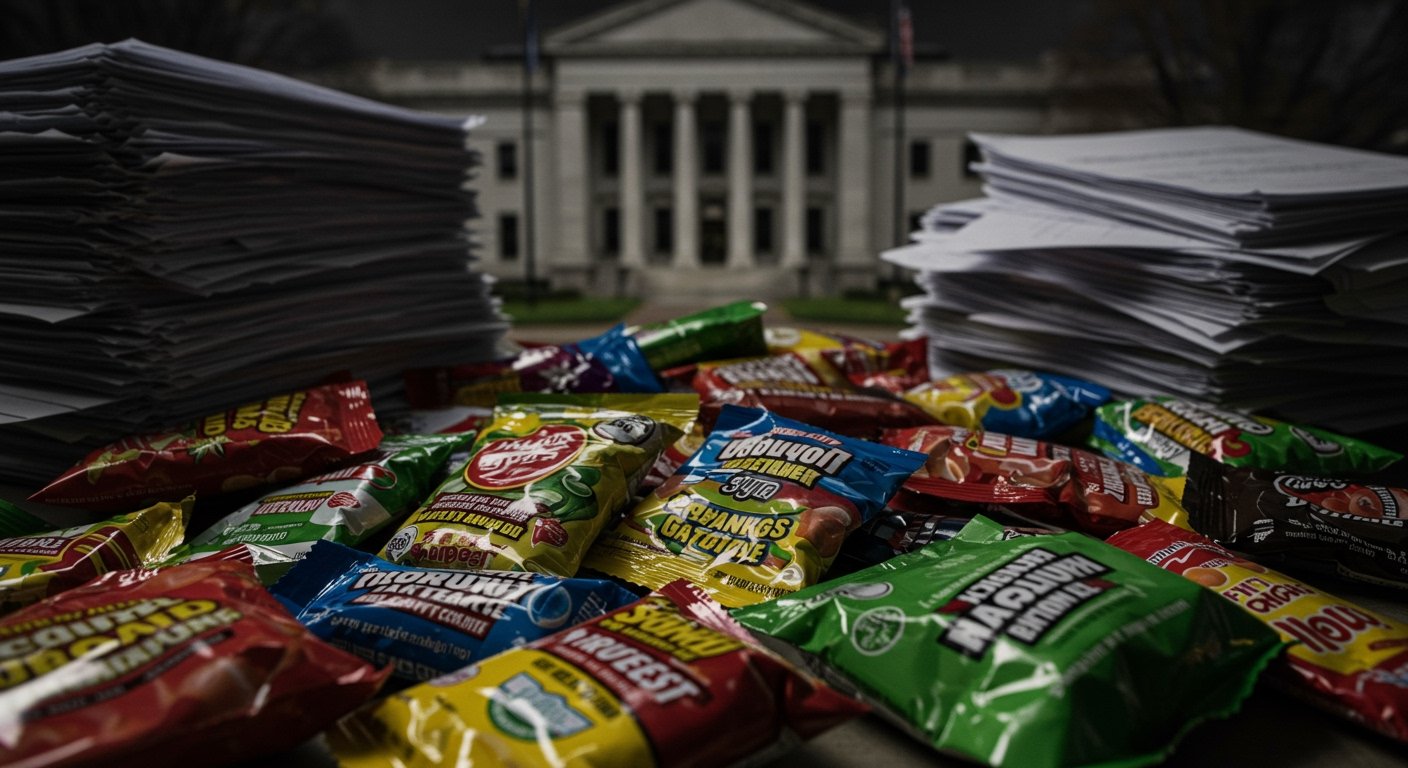
Critics also point to the packaging of many unregulated hemp and cannabis products. Frequently designed to resemble non-intoxicating items such as candies, gummies, and snacks, this packaging style is argued to be misleading to consumers and particularly appealing to children, potentially leading to accidental ingestion.
Legislative Paths Forward
The North Carolina General Assembly is actively considering various approaches to bring order to this market. However, the state House and Senate currently hold differing views on the optimal scope and structure of hemp regulation.
State Attorney General Jeff Jackson, a Democrat, has publicly supported the need for robust regulations. He indicated that state Alcohol Law Enforcement officers are prepared and ready to undertake enforcement responsibilities should new legislation be enacted.
One significant legislative proposal, a version of which was passed by the state Senate on June 19 in a decisive 35-7 vote, seeks to impose stricter controls. Key provisions of this Senate-approved bill include prohibiting individuals under the age of 21 from purchasing hemp-derived intoxicating products and requiring retailers selling these products to obtain specific licenses from the state. Additionally, this bill includes restrictions on the use and sale of kratom, another substance drawing regulatory scrutiny.
Conversely, a separate bill introduced in the state House, known as HB984, addresses a different aspect of cannabis policy. HB984 would permit qualified patients and their designated caregivers to enroll in medical marijuana studies and possess up to 1.5 ounces of marijuana for medical purposes. As of the latest reports, HB984 has not advanced to a committee hearing this legislative session, indicating its current stalled status compared to the Senate’s regulatory push.
The Advisory Council’s Role
The advisory council initiated by Governor Stein is expected to play a crucial role in informing future legislative efforts. By studying the current market dynamics, the potential public health impacts, and regulatory models from other states, the council aims to provide lawmakers with evidence-based recommendations. Their work is seen as essential for bridging the gap between the perceived need for regulation and the development of effective, fair, and enforceable laws.
The differing legislative priorities and approaches in the House and Senate highlight the complexity of crafting policy in this rapidly evolving area. While there appears to be bipartisan consensus on the need to address the most egregious public safety risks, the path to a unified, comprehensive regulatory framework for hemp and synthetic cannabis products in North Carolina remains under active debate within the state capitol.
As the advisory council continues its work and lawmakers deliberate, stakeholders across the state — including consumers, retailers, public health officials, and law enforcement — await clarity and the establishment of regulations that can ensure product safety and responsible market operations, moving beyond the current “wild west” scenario.