Federal Acknowledgment and Continued Restrictions on Cannabis
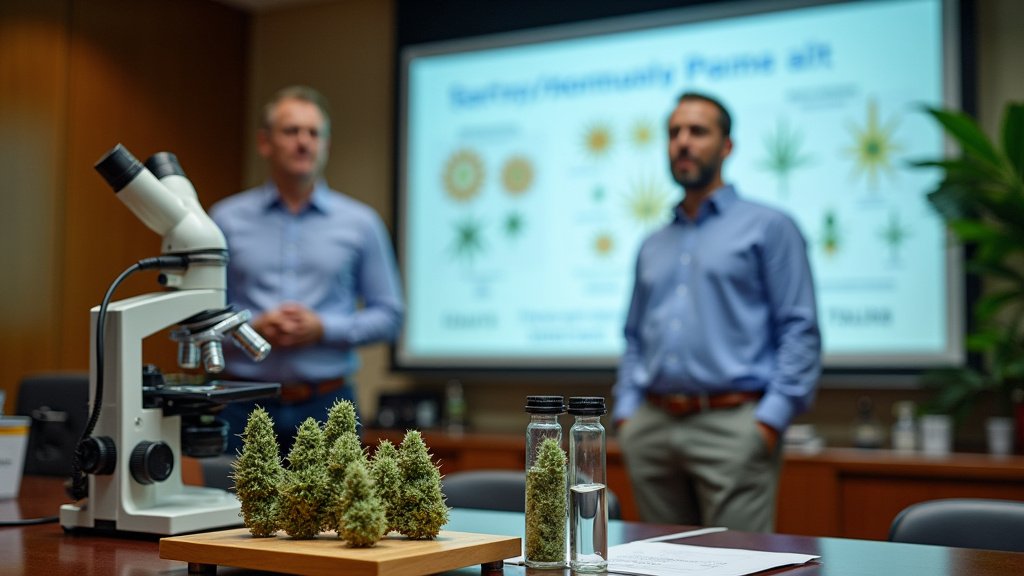
A recent newsletter published on July 17, 2025, sheds light on the complex and often contradictory stance of the federal government regarding cannabis. The newsletter explicitly acknowledges the medicinal properties of cannabis. However, the government simultaneously maintains its Schedule I classification, a designation reserved for substances with no currently accepted medical use and a high potential for abuse.
This juxtaposition underscores the ongoing debate surrounding cannabis policy in the United States. The Schedule I classification places cannabis in the same category as heroin and LSD, a categorization that many medical professionals, researchers, and patient advocacy groups argue is not supported by scientific evidence.
The newsletter’s discussion extends beyond the basic acknowledgment of cannabis’ medicinal value. It also touches on several other key areas that are currently being discussed within the government.
Psychedelics Under Scrutiny by the VA
One of the topics of discussion, as highlighted in the newsletter, involves the exploration of psychedelics by the head of the Department of Veterans Affairs (VA). This area of discussion could encompass a variety of topics from research to treatment options for veterans. The VA has increasingly been at the forefront of exploring novel treatments for mental health conditions, including PTSD and depression, which affect a significant portion of the veteran population.
The potential therapeutic applications of psychedelics, such as psilocybin and MDMA, are gaining traction in the medical community, with some studies suggesting efficacy in treating these challenging conditions. The VA’s consideration of these substances is an important step, suggesting the federal government’s willingness to examine novel treatments for veterans. Further details on any specific research initiatives, trials, or policy changes will be important as this issue progresses.
MDMA Amendment within the National Defense Authorization Act (NDAA)
Also mentioned in the newsletter is an amendment related to MDMA (3,4-methylenedioxy-methamphetamine), often referred to as ecstasy. This specific mention indicates potential shifts in policy that affects MDMA, a substance that is currently considered a Schedule I drug. The inclusion of an amendment within the NDAA implies the government recognizes the potential for MDMA’s therapeutic applications, and it could pave the way for changes to the drug’s classification and how it is studied and researched.
The NDAA is a crucial piece of legislation that authorizes the funding for the U.S. military. The integration of drug policy within this bill suggests a strategic approach to address mental health concerns within the armed forces. MDMA, when administered within a clinical setting, has shown promise in treating post-traumatic stress disorder (PTSD). Discussions in Congress could address funding, research, and approval for MDMA-assisted therapy within the military healthcare system.
Pennsylvania Legalization Efforts
The newsletter also provides a snapshot of state-level developments, specifically highlighting a new legalization bill in Pennsylvania. This development demonstrates the continued momentum of cannabis legalization efforts at the state level, even while federal regulations remain restrictive. Legalization bills can range from proposals for full recreational use to measures focused on medical marijuana programs.
The outcome of this particular bill in Pennsylvania will have significant impacts on the state’s residents. The bill’s content, if passed, would determine the scope of legalization, including regulations on cultivation, distribution, and sale, as well as the types of products that would be available to consumers. The potential tax revenues could also influence the state’s financial situation.
Health Groups Lobbying Congress on Medical Marijuana
Finally, the newsletter mentions health groups actively lobbying Congress on medical marijuana. These groups, comprised of doctors, researchers, patient advocates, and other professionals, are pushing for changes in federal policy. Their efforts are aimed at influencing legislation and regulatory decisions concerning the use of cannabis for medicinal purposes.
Health groups often advocate for changes to the Schedule I classification, research funding, and a broader understanding of the therapeutic benefits of cannabis. Their influence on lawmakers will continue to shape the future of cannabis policy. The effectiveness of their lobbying will determine the speed and extent of potential reforms at the federal level. The groups aim to emphasize the importance of patient access, high-quality research, and a more rational approach to regulating a substance with recognized medical utility.