Hawaii Moves Towards Cannabis Legalization: A Comprehensive Overview of Proposed Legislation
This week, a group of Hawaii lawmakers convened to discuss a groundbreaking plan aimed at legalizing adult-use marijuana in the state. This initiative, if passed, would also consolidate the regulation of all consumable cannabis products—including medical marijuana and hemp—under a single regulatory body. Spearheaded by House Judiciary and Hawaiian Affairs Chair David Tarnas (D) and Senate Health and Human Services Committee Chair Joy San Buenaventura (D), the proposals, known as HB 1246 and SB 1613, span an impressive 311 pages.
The Key Provisions of the Proposed Legislation
Under the proposed legislation, adults aged 21 and older would be permitted to possess up to one ounce of marijuana and five grams of cannabis concentrate starting January 1, 2026. The bill also allows for limited home cultivation, enabling adults to grow up to six plants for personal use. Households with multiple adults would be allowed to collectively cultivate up to ten plants and store as much as two pounds of homegrown cannabis in their residences.
One of the most significant outcomes of this proposed legislation would be the establishment of the Hawaii Cannabis and Hemp Office. This new agency would oversee the adult-use cannabis market, along with the medical marijuana and hemp industries. “This really is a one-plant approach,” Tarnas remarked during an informational briefing held on Wednesday.
Insights from Experts and Stakeholders
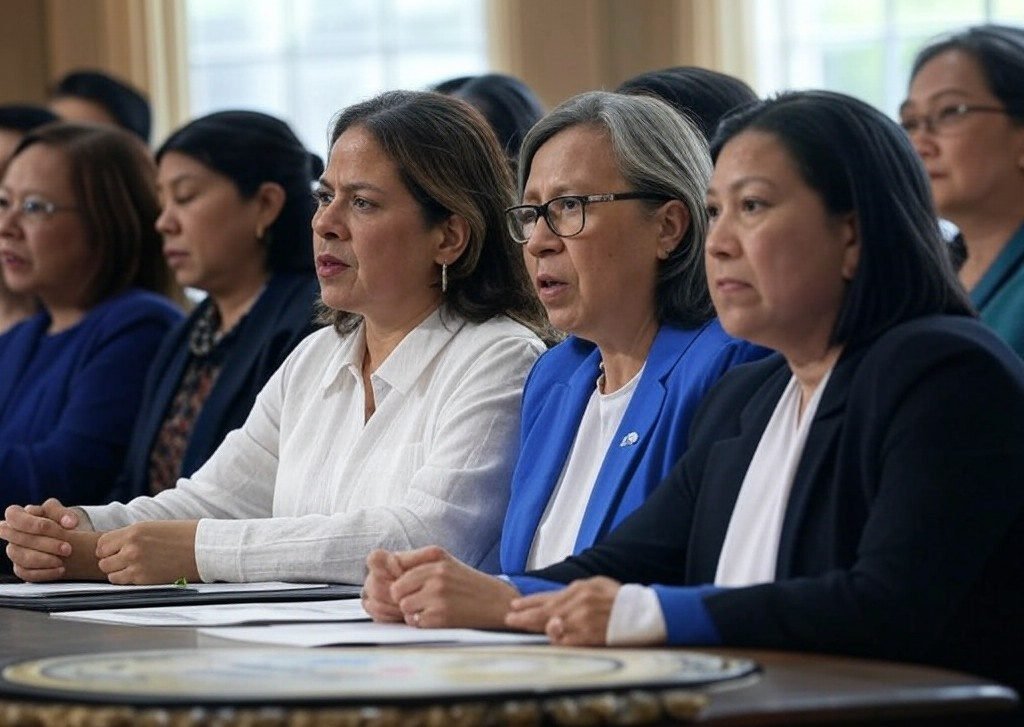
The informational briefing featured presentations from legalization advocates, regulatory experts, and representatives from the cannabis community. They provided lawmakers with a comprehensive overview of state-level legalization efforts across the United States and highlighted how Hawaii’s proposal could build on the experiences of other states.
During a question-and-answer session, lawmakers raised crucial issues surrounding the potential impact of legalization on youth marijuana use. Representative Diamond Garcia (R) voiced concerns over the widespread availability of hemp-derived cannabinoids, particularly vape products that contain THC. “Lots of vape shops currently sell vaping products which they advertise as THC products…there’s delta-8, delta-9 [THC],” Garcia noted. “On those boxes, it says that it’s a legal product per the 2018 Farm Bill. So I think it’s unclear to people here in Hawaii: Is that legal? Is that THC? And so, what’s going on?”
Regulatory Clarity and Public Understanding
Kaliko Castille, CEO of ThndrStrm Strategies and former president of the Minority Cannabis Business Association, emphasized the importance of the new bill in clarifying the regulatory landscape for cannabis products. “You think this is confusing for those of us who are in the policy world or live in the cannabis industry,” he said. “Most voters do not understand the difference. And if they see available on a shelf anywhere, they assume it’s legal.”
Tarnas echoed these sentiments, stating that he had heard from numerous hemp businesses that the proposed legislation would bring much-needed regulatory consistency. “They’re looking forward to the proposed legislation because they felt it would be better to be regulated by an office that is really dealing with all aspects of the cannabis plant,” he added.
Addressing Youth Use Concerns
One of the most significant concerns raised by lawmakers was the potential for increased marijuana use among individuals under the age of 21. Tarnas acknowledged that he has received feedback from advocates opposing the bill who claim that legalization could lead to a significant uptick in youth consumption. However, Karen O’Keefe, state policy director for the Marijuana Policy Project, presented data to counter these concerns.
O’Keefe shared findings from multiple U.S. states that have legalized marijuana for adults, illustrating that in 19 out of 21 states, surveys indicated a decrease in youth marijuana use following legalization. For example, in Washington State, which legalized adult-use cannabis in 2012, the percentage of eighth graders using marijuana in the past 30 days dropped from 9.5% in 2010 to 3.7% post-legalization. Among tenth graders, the numbers fell from 20% to 8.4%, and for twelfth graders, it dropped from 26.3% to 16.3% by 2023. “We can’t conclude causation,” O’Keefe admitted, “but it was a pretty remarkable drop in every state we’ve observed.”
Preparing for Federal Legalization
Speakers at the briefing also discussed how Hawaii’s comprehensive regulatory framework could position the state favorably for future federal legalization. Tarnas noted that establishing a regulatory scheme would help shield Hawaii from an influx of out-of-state cannabis products while protecting the interests of local businesses. O’Keefe highlighted that if a legal industry is already in place when interstate commerce becomes permissible, Hawaii could be well-equipped to export cannabis products to other markets.
The Complexity of the Proposed Legislation
Andrew Goff, deputy state attorney general in Hawaii, explained that the bill’s complexity stems from various factors, including ownership restrictions, license applicant vetting, and ensuring that the existing medical marijuana system remains intact. “The current enforcement is fragmented across multiple jurisdictions, so it’s really difficult to enforce and get everyone who has jurisdiction to enforce to buy in,” he stated. “What this bill does, basically, is it creates consistent enforcement from a single agency funded by cannabis use tax sales and ensures uniform regulations consistent with medical cannabis.”
Key Features of HB 1246 / SB 1613
The proposed legislation includes several vital components:
- Establishment of the Hawaii Cannabis and Hemp Office within the Department of Commerce and Consumer Affairs, tasked with regulating adult-use cannabis, medical marijuana, and hemp businesses.
- Creation of rules for the state cannabis system, licensing businesses, registering patients, maintaining a seed-to-sale tracking system, and publishing relevant studies and reports.
- Interim rules due by December 31, 2025, with final rules to be adopted by December 31, 2030.
- An 11-person advisory board to study issues related to federal law, patient access, and other matters, with representatives from various sectors.
- As of January 1, 2026, adults 21 and older could possess up to one ounce of marijuana and five grams of cannabis concentrate.
- Adults could grow up to six plants for personal use, with specific storage limits for homegrown cannabis.
- Taxation of adult-use cannabis sales at 14%, while the medical marijuana tax rate would remain at 4%.
- 30% of state revenue from cannabis taxes would be allocated to a social equity grants program, with additional funding directed towards public health, safety, and hemp grants.
Conclusion
As Hawaii moves closer to potentially legalizing adult-use marijuana, the proposed HB 1246 and SB 1613 legislation represents a significant shift in the state’s approach to cannabis regulation. By consolidating oversight under a single agency, lawmakers aim to provide clarity and consistency in the cannabis market while addressing public health and safety concerns. As discussions continue and the committee hearing approaches, the outcome of this legislation could pave the way for a new era in Hawaii’s cannabis landscape, benefitting both consumers and local businesses alike.