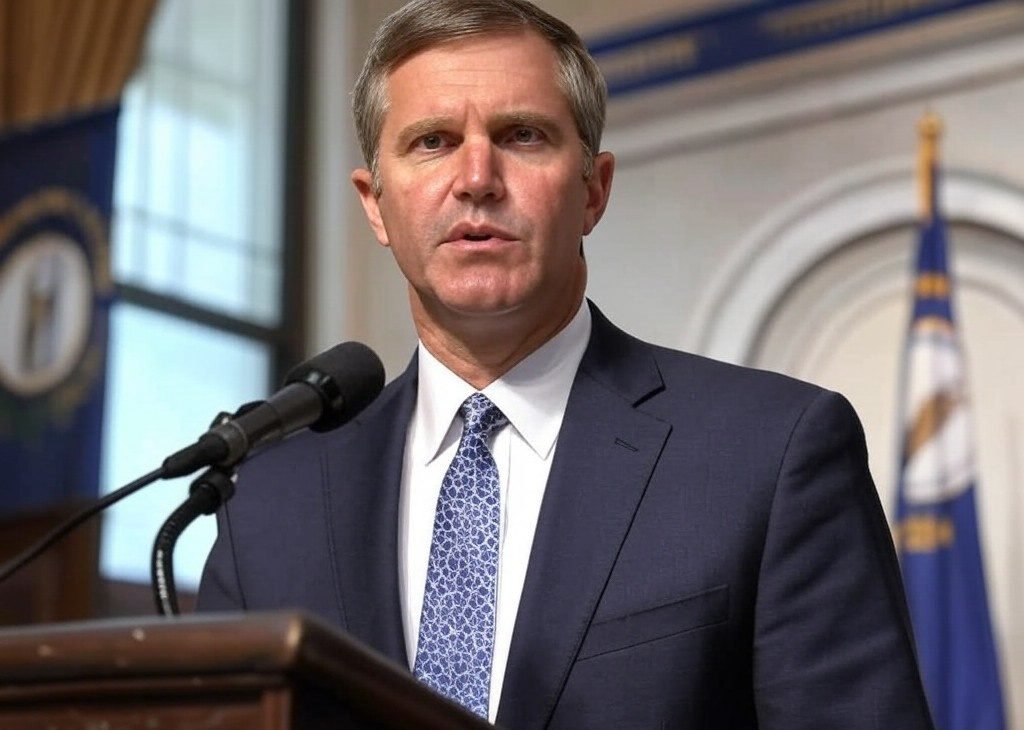
Kentucky has crossed an important threshold in its journey to integrate medical marijuana into its healthcare framework. Recently, Governor Andy Beshear made headlines by personally issuing the state’s first medical marijuana patient cards during a briefing held on Thursday. This milestone not only highlights the progress of Kentucky’s medical cannabis law but also showcases the governor’s commitment to ensuring that patients’ rights are protected under the Second Amendment.
Key Highlights from Governor Beshear’s Announcement
During the ceremonial event, Governor Beshear invited two recipients, Dr. Ryan Grell and Merissa Khumalo, to accept the first-ever patient cards. These individuals are among the initial 2,200 registered participants in Kentucky’s medical cannabis program. “We’ve taken some incredible strides to make medical cannabis a reality in Kentucky,” Beshear remarked, emphasizing the state’s efforts in licensing marijuana businesses and certifying doctors to recommend cannabis for qualified patients.
Beshear expressed his pride in reaching this significant milestone, stating, “Today we’re going to issue the first two medical cannabis cards to Dr. Ryan Grell and Merissa Khumalo.” With this initiative, the governor aims to ensure that all Kentuckians are treated equitably, regardless of their choice of lawful medication. “As we enter this new era, I want to ensure that every Kentucky is treated fairly regardless of what lawful medication they choose for their condition,” he added.
Advocating for Gun Rights for Medical Cannabis Patients
In addition to celebrating the implementation of the medical cannabis program, Governor Beshear is calling for legislative action to protect the constitutional rights of medical cannabis patients, particularly concerning firearm ownership. He sent a letter to Kentucky’s congressional delegation, urging them to take decisive measures to safeguard the Second Amendment rights of individuals participating in the state’s medical marijuana program.
“Currently, law abiding citizens who elect to participate in state legalized medical cannabis programs like Kentucky’s have their Second Amendment rights to purchase or possess a firearm impacted,” Beshear explained. “No law abiding Kentuckian—or American for that matter—should have to choose between a constitutional right like the Second Amendment and getting the medication that they need.”
The governor’s call to action comes on the heels of bipartisan efforts from Kentucky senators who have filed legislation aimed at rectifying this issue. Beshear expressed his support for this initiative while emphasizing the need for more extensive reforms at the federal level.
The Federal Landscape and Its Implications
The federal Bureau of Alcohol, Tobacco, Firearms and Explosives (ATF) has made it clear that individuals participating in medical marijuana programs may be barred from purchasing or possessing firearms under federal law. This creates a challenging dichotomy for patients who seek relief through medical cannabis while also wanting to exercise their Second Amendment rights.
“There should not be a loss of a right within our Bill of Rights simply for choosing a legalized system of medication that is best for you,” Beshear asserted. He reiterated his commitment to advocating for patient rights, stating, “As this program grows, I’ll continue to put our people first.”
The governor’s stance reflects a growing recognition that medical cannabis is a legitimate form of treatment for many individuals, particularly those seeking alternatives to opioid medications. “When I ran for governor, it was my goal to provide health care access to Kentuckians, especially access that ensures the vulnerable the freedom to choose medical cannabis as an alternative to dangerous and addictive opioids,” he noted.
The Future of Kentucky’s Medical Cannabis Program
As the implementation of Kentucky’s medical cannabis law progresses, Governor Beshear has assured that patients will gain access to cannabis within the year. The legislation establishing the medical cannabis program, known as SB 47, was signed into law in March 2023 and officially took effect at the start of January 2024.
Hundreds of Kentuckians have already applied for medical cards through an online portal that launched earlier this month. Health professionals have been able to assess patients for recommendations since December, leading to a surge in consultations. Although there are no functioning dispensaries available yet, Beshear has assured patients that an executive order signed in 2023 will protect those possessing medical cannabis purchased from licensed out-of-state retailers.
Moreover, during the recent election, over 100 cities and counties in Kentucky approved local ordinances to permit medical cannabis businesses, indicating strong public support for the initiative. “The jury is no longer out,” Beshear remarked, reflecting on the broad consensus across the state regarding the benefits of medical cannabis.
Conclusion: A Step Toward Progress
Governor Andy Beshear’s actions mark a significant turning point for Kentucky as it embraces medical marijuana as a viable treatment option for many residents. By personally issuing the first patient cards and advocating for the protection of Second Amendment rights, he is sending a clear message that Kentucky is committed to supporting its citizens in their pursuit of health and wellness.
As the medical cannabis program continues to evolve, it is crucial that lawmakers and advocates work together to ensure that patients’ rights are respected and upheld. The intersection of medical cannabis use and firearm ownership remains a contentious issue, but with leaders like Governor Beshear at the forefront, there is hope for a future where all Kentuckians can safely access the medications they need without sacrificing their constitutional rights.
As the situation unfolds, it will be essential for Kentuckians to stay informed and engaged in the ongoing discussions surrounding medical cannabis and its implications for personal freedoms. The journey toward a more inclusive and equitable healthcare system in Kentucky has just begun, and its success will depend on the collective efforts of lawmakers, advocates, and the community at large.