The cannabis landscape is a whirlwind of controversy and shifting legal terrain this week, with an anti-cannabis campaign in Massachusetts facing serious accusations of petition fraud, while other developments highlight the complex and often contentious nature of cannabis policy and regulation across the United States.
Anti-Cannabis Campaign Accused of Petition Fraud
In Massachusetts, advocates are raising urgent alarms about alleged organized voter fraud in connection with an initiative seeking to re-criminalize marijuana possession. The Massachusetts Cannabis Business Association (MCBA) has pointed to deceptive tactics employed by paid signature gatherers for the Coalition for a Healthy Massachusetts. Reports suggest that these out-of-state petition crews have misled voters, with some claiming they were told the petitions were for unrelated causes like affordable housing or would prevent youth arrests for marijuana possession, rather than aiming to repeal the state’s legalized cannabis laws. The state’s Attorney General’s office has confirmed receipt of public complaints regarding these alleged deceptive practices, underscoring the growing concerns over the integrity of ballot access processes in the cannabis sector.
DEA Promotes Controversial Fentanyl-Cannabis Ad Campaign
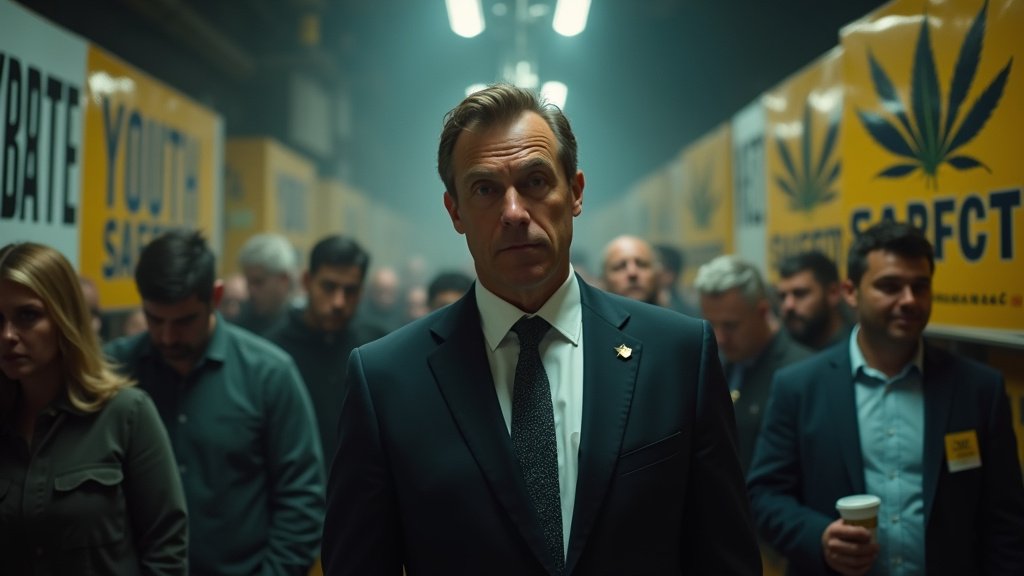
Adding to the trending cannabis news, the U.S. Drug Enforcement Administration (DEA) has drawn criticism for promoting an anti-drug ad campaign developed by a Trump-affiliated nonprofit, Make America Fentanyl Free (MAFF). The campaign, which reportedly received input from former President Donald Trump himself, features emotionally charged advertisements that link marijuana use to fentanyl-related overdose deaths. Critics, including public health experts and harm reduction organizations, argue that the ads create a dangerous misconception, as confirmed cases of fentanyl-laced cannabis are exceedingly rare. They caution that this narrative distracts from the primary driver of the overdose crisis: the illicit opioid market.
Federal Shutdown Fuels Hemp Dispute and Legal Challenges
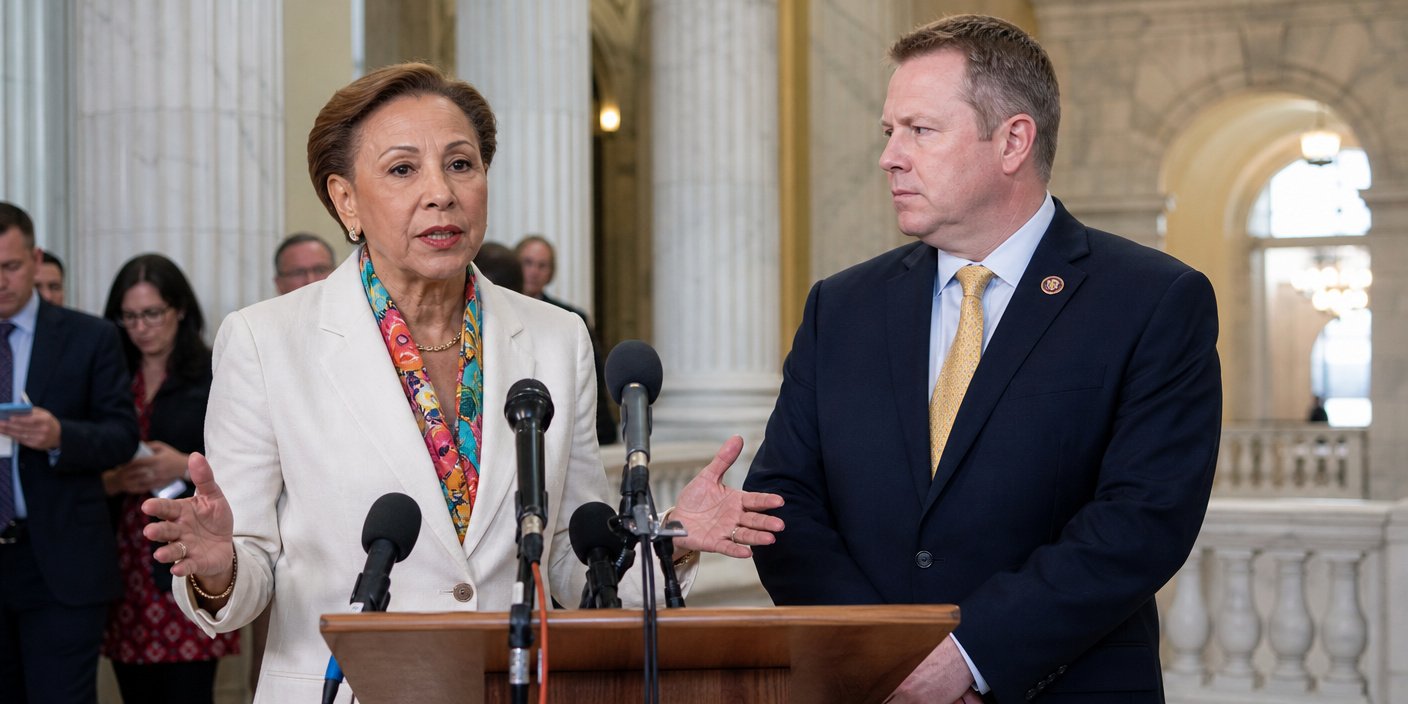
Meanwhile, significant legislative battles are unfolding in Washington D.C., exacerbated by the ongoing federal government shutdown. Debates over the definition of hemp under federal law have intensified, particularly concerning intoxicating cannabinoid products derived from hemp. A core dispute centers on whether to ban these products, a move pushed by some Republican lawmakers, including Senator Mitch McConnell and Representative Andy Harris, or to regulate them. This conflict threatens to derail broader legislative efforts, including a potential bill to end the federal shutdown. Senator Rand Paul of Kentucky has voiced strong opposition to a ban, even suggesting he would block spending bills to protect the hemp industry. Concurrently, 39 state attorneys general have urged Congress to criminalize hemp-derived THC products, highlighting a significant division on how to approach the burgeoning market.
These federal tensions are mirrored at the state level. In Virginia, a lawsuit filed by Dalitso LLC, a subsidiary of Jushi Holdings Inc., targets delivery giant DoorDash and other retailers. The company alleges that these entities are illegally selling hemp-derived THC products that exceed Virginia’s strict legal limits, thereby undermining the state’s regulated medical cannabis framework and creating an unfair competitive advantage. The suit seeks substantial damages and an injunction to halt such sales, underscoring the legal battles arising from the blurred lines between legal hemp and regulated cannabis.
International Diplomacy and Domestic Market Shifts
On the international front, Colombian President Gustavo Petro has urged U.S. President Donald Trump to consider legalizing cannabis. Petro argued that such a policy shift, coupled with treating cannabis as an exportable agricultural product, could help dismantle illicit drug cartels and reduce violence in Colombia, which he contends bears a disproportionate human cost in the war on drugs.
In other cannabis news, New Jersey is set to open applications for a Cannabis Business Development Grant program aimed at supporting early-stage entrepreneurs. Separately, while the cannabis industry’s contribution to Canada’s GDP shows signs of leveling off, support for medical cannabis legalization remains strong in Kansas, despite legislative hurdles. These diverse developments paint a picture of a rapidly evolving and often contentious global cannabis sector.