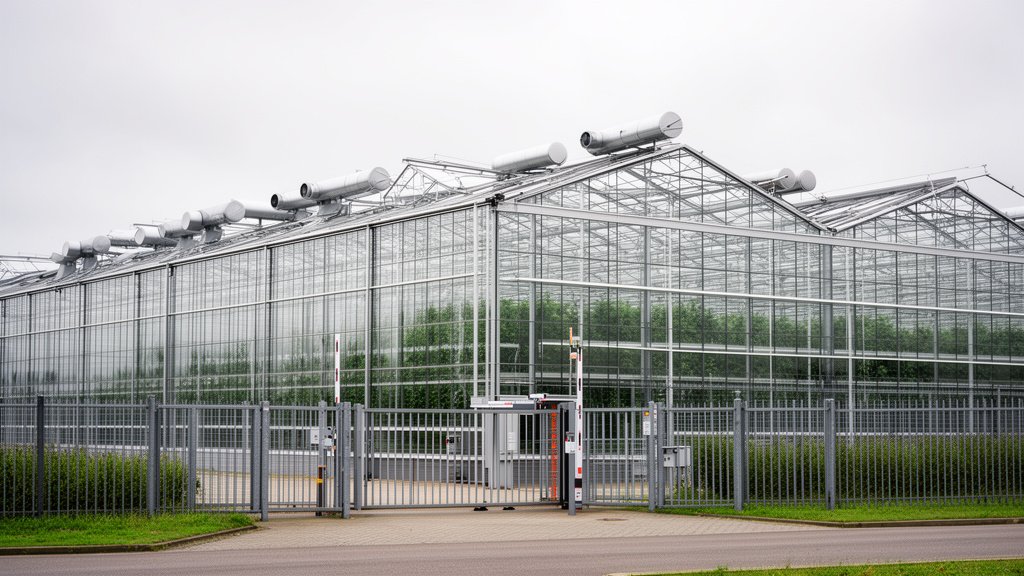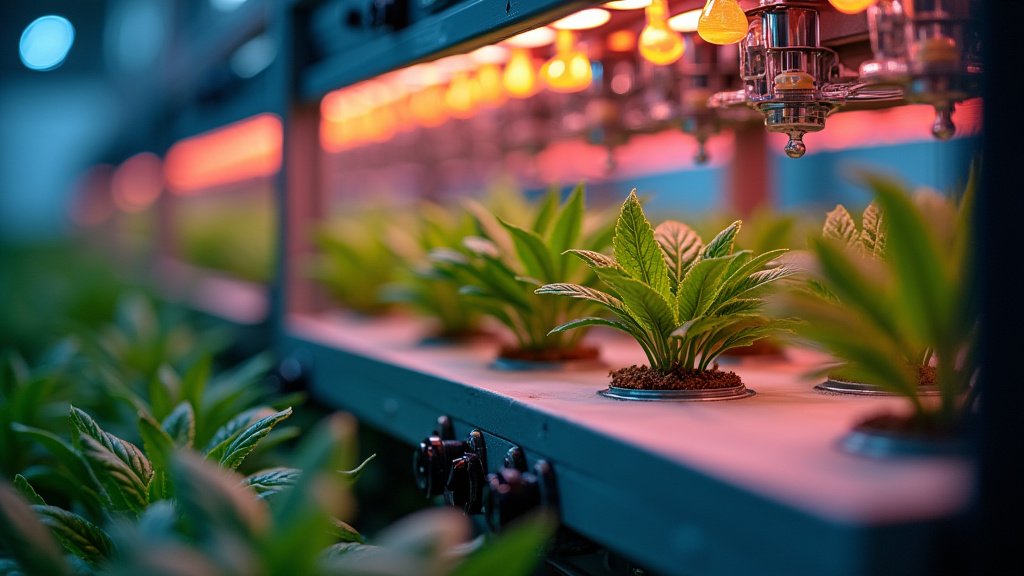
The cannabis industry has moved past the volatile gold-rush mentality of the early 2020s, entering a period of sophisticated maturation defined by radical efficiency. In 2026, cultivation is no longer just about maximizing light and nutrients; it is a high-stakes engineering discipline where AI-driven precision, advanced genetics, and mandatory sustainability practices define the winners. The days of human intuition as the sole driver of yield are fading, replaced by a data-first approach that treats the grow room as a controlled, predictive ecosystem. This shift marks a pivotal evolution in how cannabis is produced, moving from a craft-centric model to a tech-integrated agricultural powerhouse.
Key Highlights
- AI as the New Lead Grower: Artificial Intelligence is shifting from mere monitoring to predictive management, using real-time IoT sensor data to autonomously adjust environmental parameters like CO2, humidity, and lighting cycles.
- The Sustainability Mandate: Energy efficiency is no longer a luxury; with ESG (Environmental, Social, and Governance) compliance becoming a business standard, cultivators are adopting advanced water reclamation and solar-integrated LED systems to slash overhead.
- Post-Harvest Automation: While grow rooms have long been automated, 2026 marks the breakthrough in post-harvest processing, with new robotic curing and trimming systems solving the industry’s last labor-intensive bottleneck.
- Genomic Precision: Techniques like tissue culture and micropropagation are allowing growers to lock in terpene profiles and potency levels with unprecedented consistency, reducing crop variance.
The Precision Agriculture Revolution in 2026
The 2026 cannabis market is defined by a paradox: as total industry licensing numbers stabilize and slightly contract, the sophistication of surviving operations is skyrocketing. Growers are no longer chasing the newest, cheapest fixtures; they are treating their lighting, HVAC, and airflow systems as a singular, cohesive competitive weapon. The primary driver of this transition is the integration of Artificial Intelligence not as a replacement for master growers, but as a high-fidelity interpreter of plant physiology.
The AI Integration: From Monitoring to Action
In previous years, AI in cultivation was often limited to basic alerts: “temperature is too high” or “humidity is dropping.” By early 2026, systems have evolved into autonomous decision-making loops. Modern platforms analyze high-resolution imagery and metabolic data to detect nutrient deficiencies or pathogen pressure long before they are visible to the human eye. These systems don’t just alert—they act. Automated fertigation (the injection of fertilizers into irrigation systems) is now dynamically synced with environmental conditions, ensuring that plants receive exactly the nutrients required based on their current stage of photosynthesis. This precision minimizes waste, optimizes nutrient uptake, and ensures that the final product meets the increasingly rigorous quality standards demanded by sophisticated 2026 consumers.
Sustainability as a Competitive Advantage
Indoor cultivation has always faced scrutiny for its massive energy footprint. In 2026, however, sustainability has transitioned from a corporate buzzword into a critical financial survival mechanism. With energy costs remaining a primary operational expense, top-tier facilities are now retrofitting operations with advanced LED spectrums that deliver higher photon efficiency while drawing 40-50% less power than legacy systems. Beyond electricity, water is the new focus. Recirculating hydroponic systems and closed-loop dehumidification (which extracts water from the air to be reused for irrigation) are becoming standard requirements for facilities looking to remain profitable in a tighter margin environment. These efficiencies allow growers to produce a more consistent, higher-quality product at a lower wholesale price point, effectively pricing out less efficient competitors who are stuck in older, more resource-heavy models.
The Post-Harvest Bottleneck Broken
If the grow room was the focus of 2023–2025, 2026 is the year of the curing room. Post-harvest processing—the drying, curing, and storage of cannabis flower—has long been the industry’s “dark art,” reliant on passing down manual techniques that often lead to inconsistent results. Industry leaders like Cannatrol and other innovators in the processing space are changing this narrative. New robotic curing systems now manage the delicate balance of temperature and dew point with such accuracy that it eliminates the risk of mold and prevents the degradation of volatile terpenes. By standardizing the curing process, brands can finally promise consumers a product that tastes and smells as good as the day it was harvested, regardless of when it hits the shelf.
Genomics and the Future of Stability
Stabilizing genetics has always been the holy grail of cannabis cultivation. In 2026, the reliance on traditional cloning methods is being replaced by advanced tissue culture and micropropagation. By taking tiny samples of plant tissue and growing them in sterile, controlled environments, cultivators can create genetically identical, disease-free clones that maintain the precise terpene profiles and cannabinoid ratios of the parent plant. This level of genetic fidelity allows large-scale operations to maintain “brand staples” across multiple facilities, ensuring that the flower sold in California is chemically identical to the flower sold in New York or Illinois.
FAQ: People Also Ask
1. Is artificial intelligence replacing master growers in 2026?
No. AI is being used as a force multiplier. The role of the master grower is evolving from “manual laborer” to “data architect” and “system strategist,” focusing on interpreting AI-driven insights rather than making constant manual adjustments.
2. How are 2026 sustainability trends impacting the price of cannabis?
Technological efficiencies are driving production costs down. As growers adopt energy-efficient LEDs and water reclamation systems, the cost to produce high-quality indoor cannabis is dropping, leading to more competitive pricing for premium flower at the dispensary level.
3. Why is post-harvest technology the big story of 2026?
Because it is the last major manual hurdle. While grow rooms have been automated for years, the drying and curing process remained inconsistent. New tech in this sector ensures consistent terpene retention, color, and shelf-life, which is crucial for brand loyalty.
4. What is the impact of recent regulatory changes on cultivation?
With the shift in federal scheduling (e.g., the transition from Schedule I to Schedule III), cultivation facilities have gained better access to banking and capital. This allows companies to invest in the capital-heavy R&D required to implement advanced AI and robotic cultivation systems.