As the sun rises on 4/20 in 2026, the global perception and commercial reality of cannabis have never been further from the illicit, counterculture shadows of the past. Today is no longer merely a countercultural holiday; it is a barometer for a $47 billion industry that is currently navigating the most complex transition period in its history. As the U.S. leans into a reality where the line between pharmacy and dispensary blurs, the events surrounding this 4/20 reveal a sector that is shedding its ‘stoner’ identity in favor of institutional maturity, precise regulatory compliance, and a consumer base that prioritizes wellness, wellness, and targeted effect over mere intoxication.
Key Highlights
- The Wellness Pivot: Consumers are moving away from high-THC flower dominance, prioritizing minor cannabinoids like CBN and CBG for specific benefits like sleep and stress management.
- The Regulatory Limbo: While an executive order has signaled a shift toward Schedule III, the industry remains in a precarious transition, balancing between outdated state/federal conflicts and the promise of potential tax relief.
- The Rise of the ‘Third Space’: With social consumption lounges gaining traction in states like Massachusetts, the industry is creating public venues that mirror the hospitality sector rather than the underground market.
- Tech-Driven Legitimacy: Cannabis is now an AI-driven, fintech-heavy sector where automated compliance and ACH payment systems are replacing cash-only operations.
The Commercialization of Conscience: Cannabis in 2026
For decades, 4/20 was a day of protest and illicit celebration. Today, the day serves as a critical fiscal anchor for an industry that is simultaneously the most innovative and the most restricted sector in the American economy. The narrative of 2026 is one of ‘normalization through friction.’ The industry is growing, but it is growing against the headwind of regulatory volatility and the harsh lessons learned from years of over-expansion.
The Shift Toward Wellness: Beyond the ‘High’
One of the most profound revelations of 2026 is the rapid, consumer-led migration toward wellness-focused consumption. The industry has spent years chasing the highest THC percentage, but the market data suggests that the average consumer—especially the rapidly growing demographic of seniors and professionals—is now looking for the opposite. They are seeking micro-dosing and targeted efficacy.
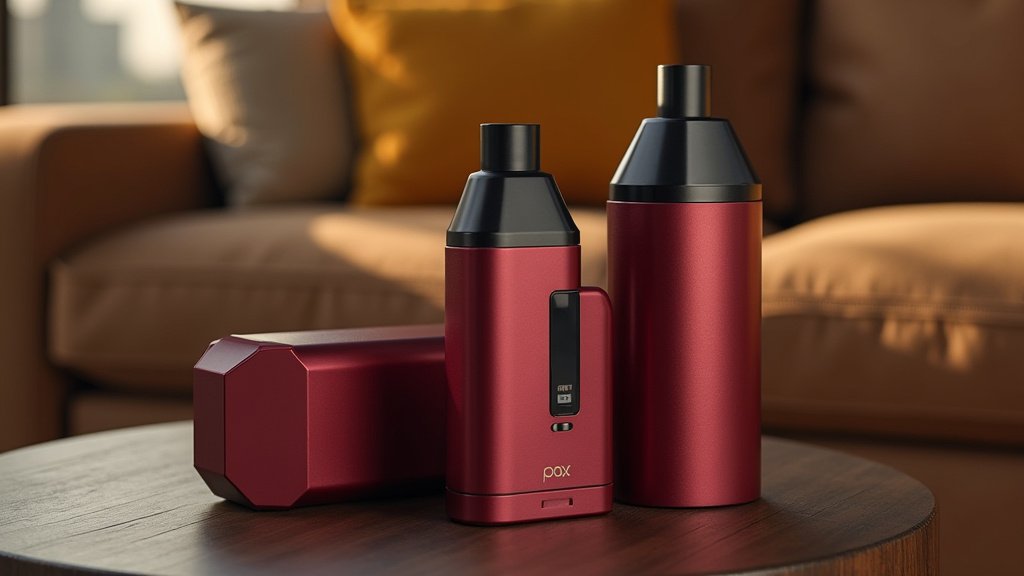
Products containing minor cannabinoids such as CBN for sleep, CBG for neuro-protection and inflammation, and THCV for metabolic or appetite control are currently outperforming traditional, high-potency flower in year-over-year growth metrics. This is not just a consumer trend; it is a fundamental reconfiguration of the cannabis product pipeline. Retailers are now functioning less like head shops and more like wellness boutiques, where the staff acts more like health consultants than budtenders. This shift is critical because it aligns cannabis with the broader ‘self-care’ industry, potentially opening the door to a more suburban, older, and medically-focused customer base that was previously wary of the substance.
The Regulatory Pendulum: Living in the Shadow of Schedule III
Legally, 2026 is a year of acute anticipation. The executive order directing federal agencies to move cannabis from Schedule I to Schedule III represents a tectonic shift in policy, yet it is a shift that is currently “stuck in the pipes” of administrative bureaucracy. As of this April, cannabis remains federally classified as Schedule I.
This delay creates a strange, liminal state for operators. Businesses are preparing for the tax benefits of Schedule III—primarily the removal of IRC Section 280E, which currently disallows standard business deductions and results in effective federal tax rates of 70-90%—but they cannot yet account for those savings. This creates a “wait and see” attitude toward capital investment. The industry is essentially holding its breath. The legislative tension is further exacerbated by the rise of hemp-derived cannabinoid regulations, which have created a gray market that traditional, state-licensed operators are fighting to regulate or dismantle. This legislative friction is the primary driver of the current industry ‘right-sizing,’ where only the most lean and compliant operators are surviving the maturation of the market.
The Infrastructure of Legitimacy: Fintech and Retail 3.0
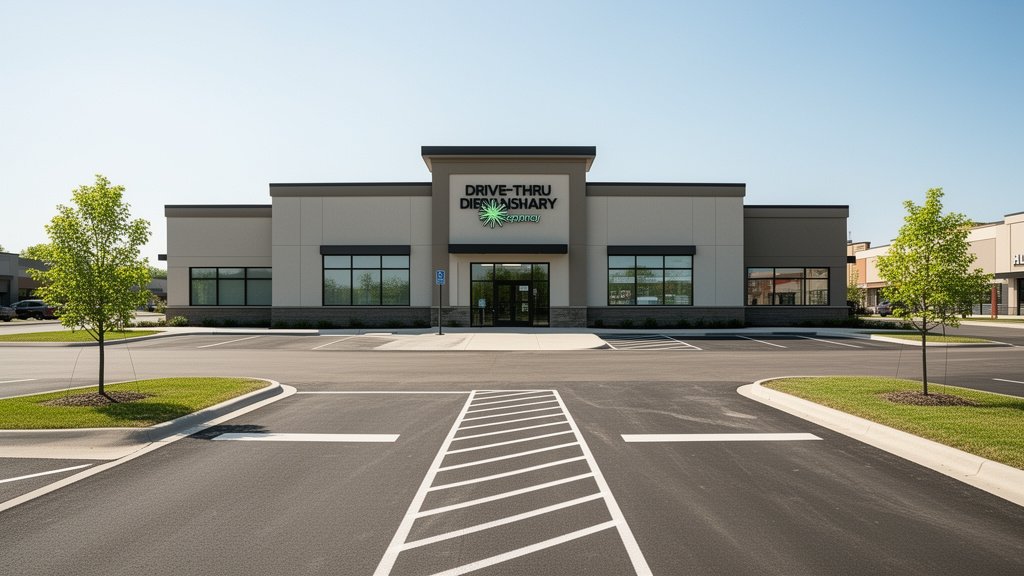
Perhaps the most visible change for the average consumer this 4/20 is the retail experience itself. We are officially in the era of ‘Cannabis Retail 3.0.’ The days of the cash-only, ATM-fee-laden, sketchy storefront are rapidly disappearing. In their place, we are seeing the rise of fintech-backed, high-end retail environments. Automated Clearing House (ACH) payments and bank-to-bank transfer systems are becoming the standard, reducing the physical security risks that have plagued the industry for years.
Simultaneously, the industry is experimenting with the ‘Third Space’—public, legal venues for social consumption. By separating the consumption of cannabis from the purchase of cannabis, states like Massachusetts are treating the drug more like alcohol. These lounges offer a high-end, hospitality-focused atmosphere that helps de-stigmatize use and integrate it into the fabric of social life. This is the final frontier of normalization: the ability to consume safely and legally in a public setting.
The Economic Realignment: Right-Sizing the American Market
While the headline numbers—$47 billion in projected revenue—sound booming, the internal mechanics of the industry are undergoing a necessary, painful contraction. The era of ‘growth at all costs’ is dead. Investors have pulled back from the speculative fervor of 2020-2022, replaced by a mandate for profitability and operational efficiency.
We have seen a significant reduction in cultivation licenses over the past two years, as oversupply drove wholesale prices into the floor. This was not a failure of the industry, but a market correction. The companies that are succeeding in 2026 are those that have mastered vertical integration, AI-driven crop optimization, and automated seed-to-sale compliance tracking. The industry is professionalizing; the amateur hour is over, and the era of the corporate cannabis conglomerate has arrived.
FAQ: People Also Ask
Q: Is cannabis actually legal at the federal level in 2026?
A: No. Despite an executive order initiating the process to reschedule cannabis to Schedule III, it remains a Schedule I controlled substance federally as of April 2026. The move would reduce tax burdens but does not constitute full federal legalization.
Q: Why are cannabis businesses struggling if the market is worth $47 billion?
A: The industry is suffering from a combination of high federal taxes (due to 280E), past over-expansion, and intense competition that has driven prices down significantly. Many companies are currently in a ‘right-sizing’ phase, prioritizing profit over rapid expansion.
Q: What are ‘minor cannabinoids’ and why are they trending?
A: Minor cannabinoids like CBN, CBG, and THCV are compounds found in the cannabis plant that offer specific effects (like sleep, focus, or appetite management) without the intense, sometimes overwhelming psychoactive ‘high’ associated with traditional THC, appealing to a broader, wellness-oriented audience.
Q: Are social consumption lounges safe and legal?
A: In specific jurisdictions like Massachusetts, yes. These lounges are heavily regulated to ensure they do not violate local laws or create public nuisances, serving as a legal ‘third space’ for consumers to gather.