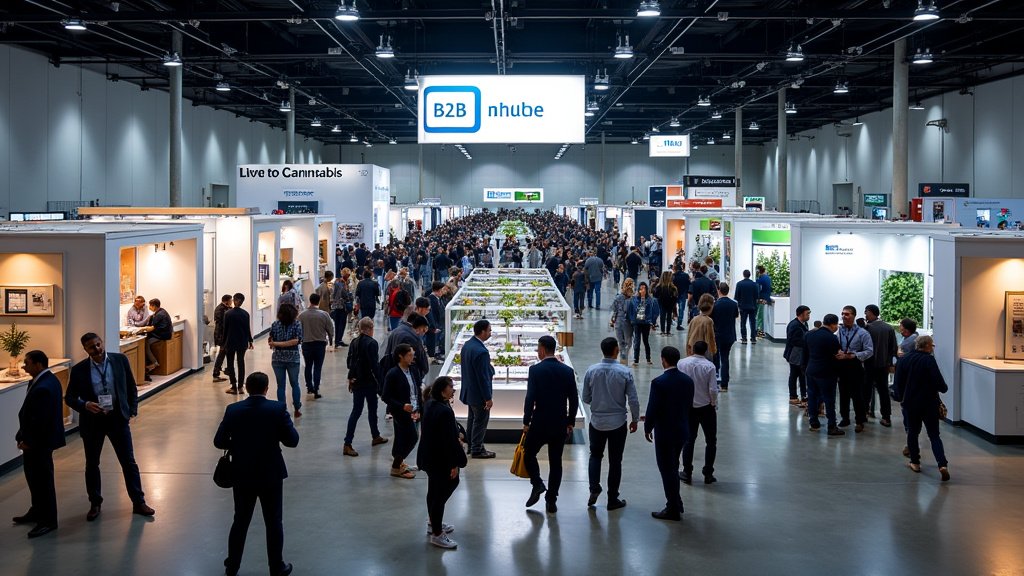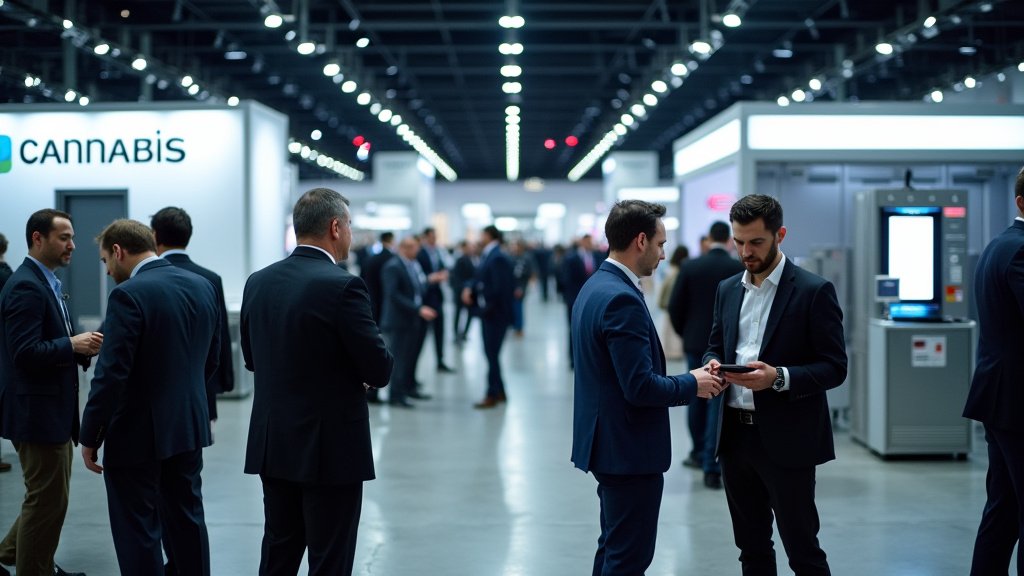
The cannabis industry is undergoing a structural pivot as we approach the latter half of 2026. While massive, national expos once dominated the sector, industry professionals are increasingly prioritizing localized, high-impact gatherings that focus on regulatory compliance, regional market penetration, and tactical B2B networking. For the week of July 27, 2026, this trend crystallizes into two pivotal events: the Arizona Cannabis Business Networking session on July 29, and the Canna Connect event in Brainerd, Minnesota, on July 30. These gatherings represent a broader movement toward stabilizing business ecosystems at the state and regional levels, providing a necessary bridge between operators, investors, and policymakers.
Key Highlights
- Arizona Cannabis Business Networking (July 29, 2026): A crucial summit focused on the mature Southwestern market, emphasizing operational efficiency and retail strategy.
- Canna Connect Brainerd (July 30, 2026): A targeted regional meet-up in Minnesota, designed to foster collaboration within the emerging Midwestern cannabis landscape.
- Strategic B2B Focus: Moving away from consumer-facing festivals, these events prioritize contract negotiations, banking compliance, and insurance strategy.
- Market Maturation: The industry’s shift toward hyper-localized networking indicates a move away from ‘gold rush’ expansion toward sustainable, long-term commercial operations.
The Professional Pivot: Why Localized Cannabis Events Matter in 2026
As the calendar turns to the week of July 27, 2026, the cannabis industry finds itself in a state of consolidation. After years of rapid, chaotic expansion, the landscape has stabilized into a series of distinct regional markets, each governed by unique legislative nuances and consumer behaviors. The decision by industry leaders to host specialized networking events in Arizona and Minnesota—rather than centralized national conferences—is not coincidental. It reflects a shift in the primary concerns of license holders: compliance, regional supply chain optimization, and the professionalization of business services.
The Arizona Landscape: Stability and Scale
The Arizona Cannabis Business Networking event on July 29 serves as a microcosm for the Southwestern market’s current maturity. Having navigated the post-legalization boom years, Arizona operators are now focused on fine-tuning their retail models and streamlining production costs. For stakeholders attending this event, the goal is not merely brand visibility, but rather high-level discussions regarding interstate commerce logistics, the integration of AI-driven inventory management systems, and the ongoing challenge of securing traditional financial services for plant-touching businesses. The networking opportunities provided here are essential for businesses looking to scale their operations within the highly competitive Phoenix-Tucson corridor and beyond.
Brainerd, MN: Defining the Midwestern Model
Conversely, the Canna Connect event in Brainerd, Minnesota, on July 30, represents an entirely different stage of industry development. Minnesota’s relatively newer regulatory framework demands a high degree of collaborative effort between startup entities and local government. The Brainerd gathering is positioned as a vital touchpoint for regional cultivators, dispensary owners, and legal consultants. Because the Midwestern cannabis sector is still defining its operational standards, events like Canna Connect are instrumental in establishing a ‘best practices’ culture. Attendees at the Brainerd summit will likely focus on navigating local zoning laws, community outreach strategies, and the logistical realities of supply chain distribution across diverse Midwestern terrain. This is where foundational partnerships are forged, partnerships that will dictate the market share of the region for the coming decade.
The Economic Impact of Micro-Networking
The broader economic impact of these events cannot be overstated. By facilitating direct connections between stakeholders, the industry effectively reduces the cost of entry for ancillary service providers. When an insurance broker meets a dispensary owner in an intimate setting like the Arizona networking event, the resulting partnership is often more durable than those formed at massive, chaotic trade shows. These micro-events act as engines for economic efficiency, allowing for the faster deployment of capital and the rapid resolution of compliance-related friction points. As we look at the week of July 27, 2026, it is clear that the industry’s growth is being fueled by these structured, localized interactions.
Future Predictions: The Death of the Mass Expo?
Looking toward 2027 and beyond, we can expect this trend of localized, high-value networking to continue. The era of the generalist ‘weed expo’ is likely waning, replaced by specialized summits that cater to specific verticals—such as cannabis technology, regulatory law, and agricultural efficiency. Investors and operators who fail to pivot toward these hyper-specific, regional networking opportunities risk becoming disconnected from the vital, ground-level operational trends that define successful modern cannabis businesses. The week of July 27, 2026, serves as a litmus test for where the industry’s smartest money is congregating: in the rooms where business is actually done.
FAQ: People Also Ask
Q: Why are these events occurring in specific regions like Brainerd and Arizona?
A: These locations are strategic. Arizona represents a mature, high-volume market that requires ongoing optimization, while Minnesota (Brainerd) is a rapidly developing regional hub that needs foundational collaboration to scale successfully.
Q: Are these events open to the general public?
A: Generally, no. These events are curated B2B summits designed for industry professionals, license holders, investors, and ancillary service providers. They focus on professional networking rather than consumer sales.
Q: How does the shift to micro-events affect small cannabis businesses?
A: It benefits them significantly. Smaller operators often struggle to gain value from large, expensive national trade shows. Localized events provide more affordable, relevant networking opportunities that can lead to immediate regional partnerships.
Q: What should I bring to these networking events?
A: Professionals typically bring detailed business cards, pitch decks for potential investors, and, most importantly, a clear set of questions regarding current compliance and regulatory shifts in their specific jurisdiction.