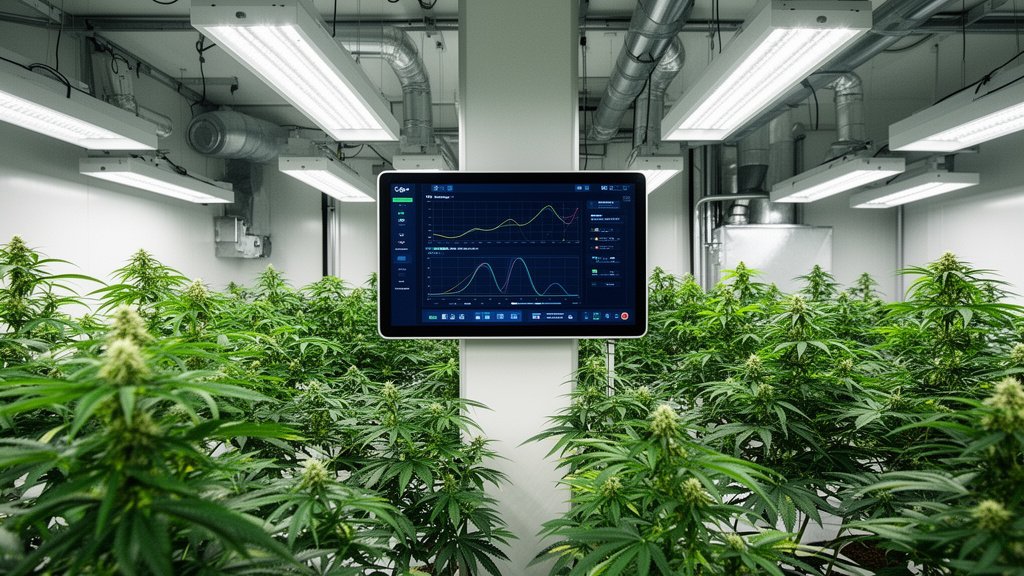
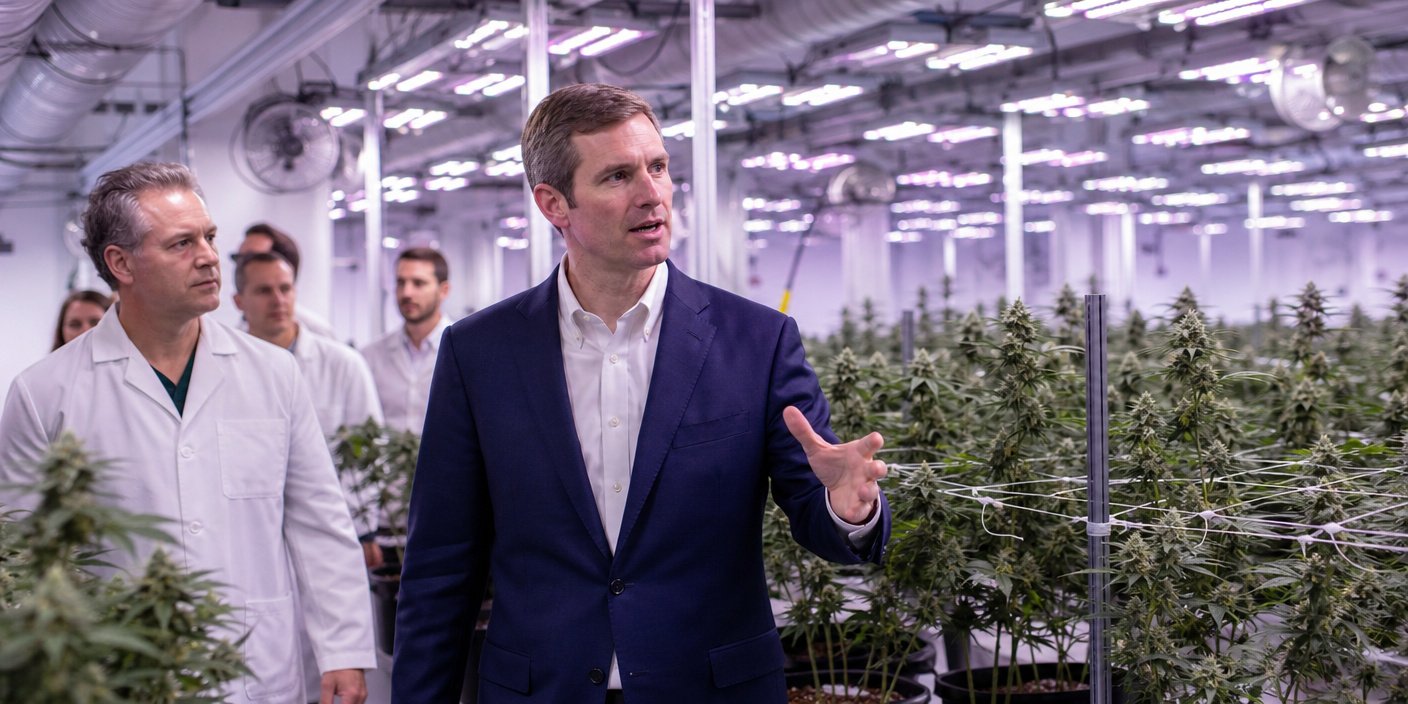
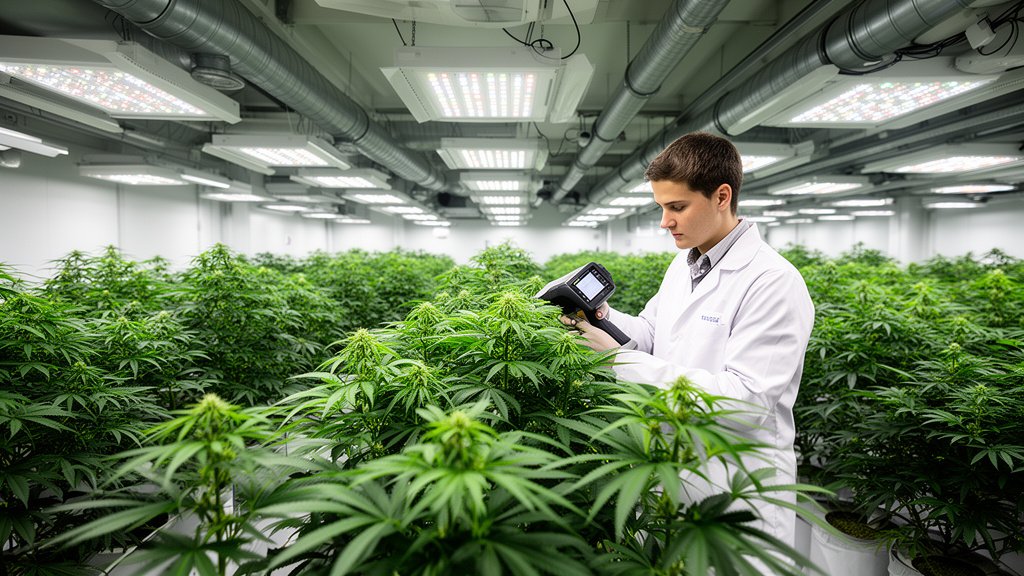
Vermont Lieutenant Governor John Rodgers has been issued a $5,000 fine by state regulators after an inspection discovered more than 100 cannabis plants being cultivated at an unlicensed site. The incident, brought to light following a thorough review by the Vermont Cannabis Control Board (CCB), underscores the increasingly stringent regulatory framework governing the state’s legal cannabis industry. For a state that prides itself on a rigorous approach to agricultural oversight and consumer safety, the administrative penalty highlights the critical divide between home cultivation, commercial licensing, and the mandatory geographical and operational compliance requirements that every grower, regardless of political standing, must satisfy.
Key Highlights
- Administrative Penalty: Vermont Lt. Gov. John Rodgers faces a $5,000 fine levied by the Cannabis Control Board.
- Regulatory Breach: The fine stems from an inspection that identified at least 100 cannabis plants growing at a location not authorized for commercial cultivation.
- Compliance Focus: The incident emphasizes the strict geographical and facility-based requirements mandated under Vermont’s evolving cannabis laws.
- Regulatory Precedent: The enforcement action signals the CCB’s commitment to uniform application of the law across all cultivators in the state.
Navigating the Regulatory Landscape: Compliance and Consequence
The enforcement action against Lieutenant Governor John Rodgers serves as a stark reminder of the complexities inherent in Vermont’s post-legalization era. Since the implementation of the Cannabis Regulation and Taxation Act, the state has moved quickly to establish a robust framework designed to monitor production, prevent diversion, and ensure product safety. The CCB is tasked with the monumental job of overseeing a market that has transitioned from the underground to a highly regulated, tax-generating agricultural sector.
The Mechanics of the CCB Inspection
In this instance, the CCB acted upon regulatory protocols that require strict adherence to site authorization. When cultivating cannabis at scale—specifically reaching the threshold of 100 plants—the classification of the operation shifts significantly. Under Vermont law, operations of this size are subject to the same oversight as licensed commercial entities. The inspection uncovered that the site in question did not possess the necessary licenses to operate within the specific geographical zone or the structural specifications required for legal cultivation. The $5,000 fine is categorized as an administrative penalty, reflecting the severity of the non-compliance without shifting the matter into the realm of criminal adjudication, provided the corrective actions are taken.
The Evolution of Cannabis Agriculture in Vermont
Vermont’s approach to cannabis has historically been one of cautious experimentation. However, with the formalization of the market, the state has prioritized the creation of a ‘level playing field.’ The regulations governing where and how cannabis can be grown are not arbitrary; they are designed to mitigate neighborhood impacts, ensure environmental compliance, and track the supply chain from seed to sale. For farmers and commercial entities, navigating these rules requires significant investment in infrastructure and legal due diligence. The Rodgers case brings this reality into sharp focus, illustrating that even high-ranking public officials are subject to the same administrative oversight as private business owners and independent farmers.
Accountability in Public Office
From a political and governance perspective, the incident has drawn attention to the necessity of total compliance among public servants. Critics and advocates alike note that public officials are often held to a higher standard, given their role in crafting and overseeing the very laws that govern the state’s industries. The fine, while relatively modest in the context of large-scale commercial cannabis operations, carries significant weight as a symbol of the CCB’s autonomy. By issuing the penalty, the board has demonstrated that its regulatory authority remains independent of political influence, a critical feature for any state body tasked with market regulation.
Future Implications for Growers
This event will likely serve as a case study for prospective cannabis entrepreneurs in Vermont. The primary lesson is that administrative hurdles—zoning, site registration, and licensing—are as important as the horticultural science of growing the plant itself. The CCB has repeatedly signaled that it will not tolerate ‘gray market’ activities, particularly as it works to protect the economic viability of licensed, tax-paying cultivators. Moving forward, stakeholders should expect continued vigilance from state inspectors as the industry matures and the regulatory framework becomes more entrenched.
FAQ: People Also Ask
Why was a $5,000 fine issued instead of criminal charges?
The fine is an administrative penalty issued by the Cannabis Control Board for regulatory non-compliance. It addresses the failure to follow state agricultural and commercial zoning requirements rather than criminal conduct, assuming the activity did not involve illegal distribution or other criminal statutes.
What are the ‘geographical requirements’ for growing cannabis in Vermont?
Vermont law mandates that cannabis cultivation must occur in authorized locations that meet specific zoning and environmental standards. This includes ensuring operations are not in prohibited areas, possess the correct permits for agricultural land use, and align with municipal bylaws regarding commercial activities.
Can Lt. Gov. John Rodgers contest this fine?
Like any entity issued a fine by the Cannabis Control Board, the Lieutenant Governor has the right to appeal the decision through the appropriate administrative review process if he believes the regulatory finding was inaccurate or if there are mitigating circumstances that were not accounted for during the initial inspection.