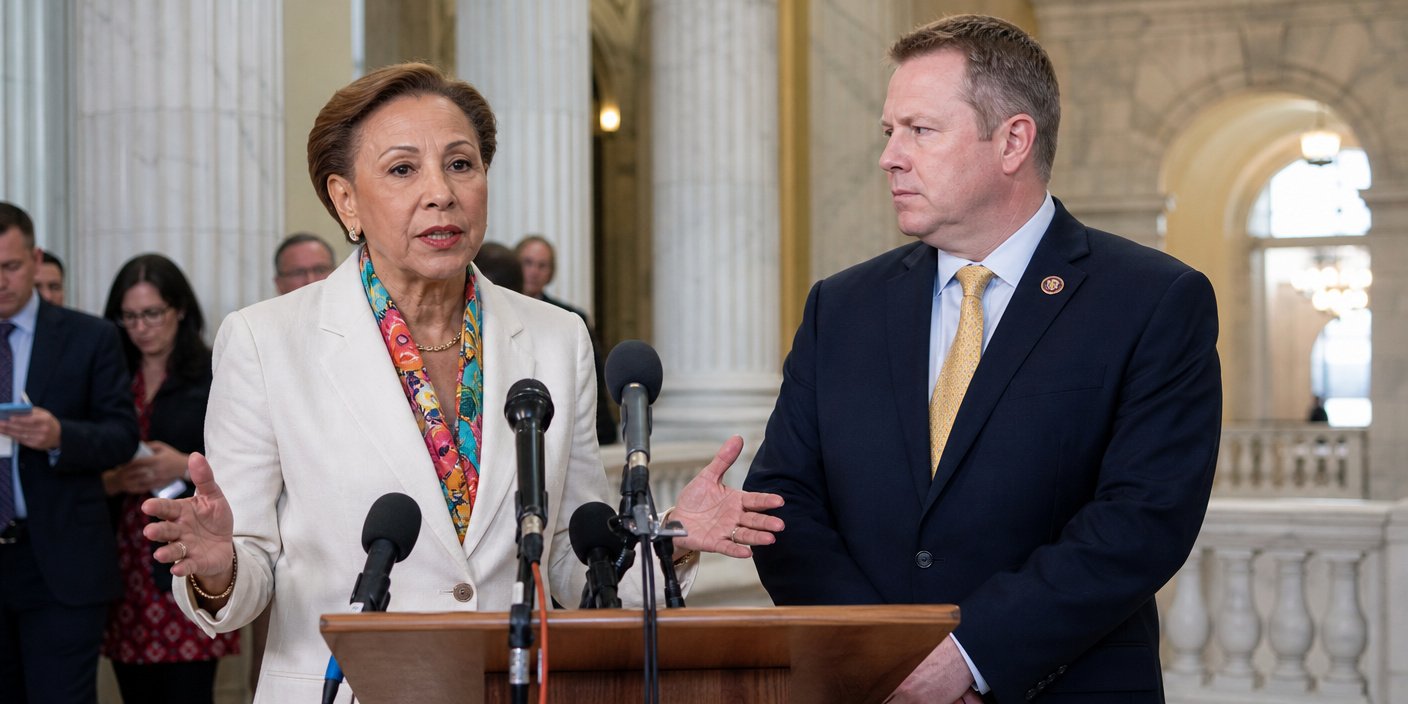
The landscape for state-legal cannabis businesses is poised for a significant shift as bipartisan momentum builds in the House of Representatives. A newly introduced legislative effort, spearheaded by Representatives Nydia Velázquez (D-NY) and Warren Davidson (R-OH), seeks to address a critical, long-standing vulnerability within the cannabis sector: the inability of businesses to secure adequate insurance coverage. By providing a legislative “safe harbor” for insurers, this cannabis insurance bill aims to remove the legal cloud that has historically prevented major insurance carriers from serving companies that operate within state-sanctioned marijuana markets.
Key Highlights
- Bipartisan Sponsorship: Reps. Nydia Velázquez and Warren Davidson are leading the effort, signaling that the issue transcends traditional party lines and focuses on market stability.
- Safe Harbor Mechanism: The bill is designed to shield insurance companies and their employees from federal prosecution for providing services to cannabis businesses in states where it is legal.
- Risk Mitigation: The legislation aims to lower operational risks for cannabis companies, who currently struggle to protect their physical assets, liability, and employees.
- Legislative Necessity: The bill addresses the fundamental conflict between federal law (where cannabis remains a controlled substance) and state law, which has created a precarious “gray market” environment for service providers.
The Legislative Pivot: Normalizing Cannabis Operations
The cannabis industry, despite its rapid expansion and multi-billion dollar valuation, remains functionally hamstrung by the federal government’s classification of marijuana. Because cannabis is considered a controlled substance under federal law, the financial and insurance sectors have largely treated the industry as untouchable. For insurance companies, the fear is not just economic; it is legal. Under current interpretations of federal statutes, providing a policy to a cannabis business could be construed as “aiding and abetting” the distribution of a controlled substance, potentially exposing insurers to criminal liability or the revocation of federal charters.
This new bill seeks to dismantle that barrier. By establishing a clear, legal framework—a safe harbor—the legislation clarifies that an insurer will not be penalized for underwriting policies for state-legal cannabis entities. This is more than a administrative tweak; it is a fundamental shift in how the industry operates. Insurance is the bedrock of modern commerce. Without it, businesses are unable to lease professional space, sign contracts, or effectively protect their inventory against theft, fire, or spoilage. By bringing the insurance industry to the table, Congress is effectively acknowledging the permanence of state-legal cannabis operations.
The Bipartisan Bridge
The collaboration between Representative Nydia Velázquez, a senior Democrat, and Representative Warren Davidson, a Republican, is a tactical maneuver designed to garner broad support. Historically, cannabis-related legislation has stalled due to partisan friction. However, this insurance bill frames the issue around business stability, asset protection, and regulatory clarity—themes that resonate with members of both parties. By removing the “risk” for the insurers, proponents argue they are not just helping cannabis companies, but are also cleaning up a disorganized marketplace and bringing it under the purview of established, regulated commercial systems.
Economic Resilience and Industry Risk
The absence of insurance is not merely an inconvenience; it is a massive systemic risk. When a cannabis business cannot purchase property insurance, any natural disaster or accidental loss can lead to immediate insolvency. Furthermore, the lack of general liability insurance prevents these businesses from operating in a standard, professional capacity.
Filling the Insurance Vacuum
Currently, the market is served by a patchwork of “surplus lines” insurers—smaller, specialized companies that are willing to take on the risk for exorbitant premiums. These policies are often prohibitively expensive, which drains capital that could otherwise be used for research, expansion, or wage increases. If this bill passes, it invites the broader, national insurance market to participate. Increased competition among insurers would theoretically drive down premium costs, stabilize the market, and provide the sort of comprehensive coverage—such as workers’ compensation and product liability—that is standard in every other legal industry in the United States.
Safety Standards and Liability
Beyond just protecting assets, the availability of standard insurance creates a mechanism for safety enforcement. Insurance carriers typically require rigorous safety audits and operational standards before they issue a policy. By entering the cannabis space, insurers would essentially act as private-sector regulators, enforcing compliance, safety, and operational best practices in a way that currently lacks federal oversight. This could lead to safer production facilities, better security protocols, and improved product testing standards, as these factors would become prerequisites for obtaining affordable coverage.
The Regulatory Road Ahead
While the introduction of this bill is a major milestone, the path to enactment remains complex. The legislative process in Congress is notoriously slow, and even with bipartisan leadership, the bill must navigate committees and potential opposition from groups that remain ideologically opposed to the normalization of the cannabis industry.
Anticipating Opposition
Critics of the bill will likely argue that normalizing insurance for cannabis businesses is a backdoor route to federal legalization. They may also cite concerns regarding the Controlled Substances Act, arguing that any congressional action in this space undermines federal drug policy. Proponents of the bill, however, will be tasked with focusing the narrative strictly on “business regulation” and “economic stability” to keep the conversation centered on the pragmatic needs of the market rather than the broader debate over legalization.
State-Level Implementation
If passed, the bill will necessitate a coordinated effort between federal regulators and state insurance commissioners. State officials have already been active in trying to bridge the gap, often encouraging insurers to work within their borders. A federal bill would provide the necessary cover for state commissioners to fully integrate cannabis into their regulatory frameworks without fearing federal pushback. It creates a domino effect: federal law protects the insurer, the insurer covers the business, and the state regulates the business, creating a fully integrated and legitimate commercial environment.
FAQ: People Also Ask
1. Why can’t cannabis companies get insurance right now?
Because cannabis is a Schedule I substance under the federal Controlled Substances Act, insurance companies fear that providing coverage could lead to federal charges for “aiding and abetting” an illegal activity. Most major carriers avoid this risk entirely.
2. Does this bill make cannabis federally legal?
No. This bill is narrow in scope. It provides a “safe harbor” specifically for insurance companies to conduct business with state-legal cannabis entities without fear of federal prosecution, but it does not remove marijuana from the federal list of controlled substances.
3. How will this bill lower costs for cannabis businesses?
Currently, because few insurers are willing to take the risk, businesses pay massive premiums to specialized, non-standard carriers. By opening the market to more mainstream insurers, competition will increase, which is expected to lower premiums and expand coverage options.
4. Is there bipartisan support for this legislation?
Yes. The bill is sponsored by Representatives Nydia Velázquez (D-NY) and Warren Davidson (R-OH), demonstrating a deliberate, bipartisan effort to address the issue through the lens of economic and business stability.