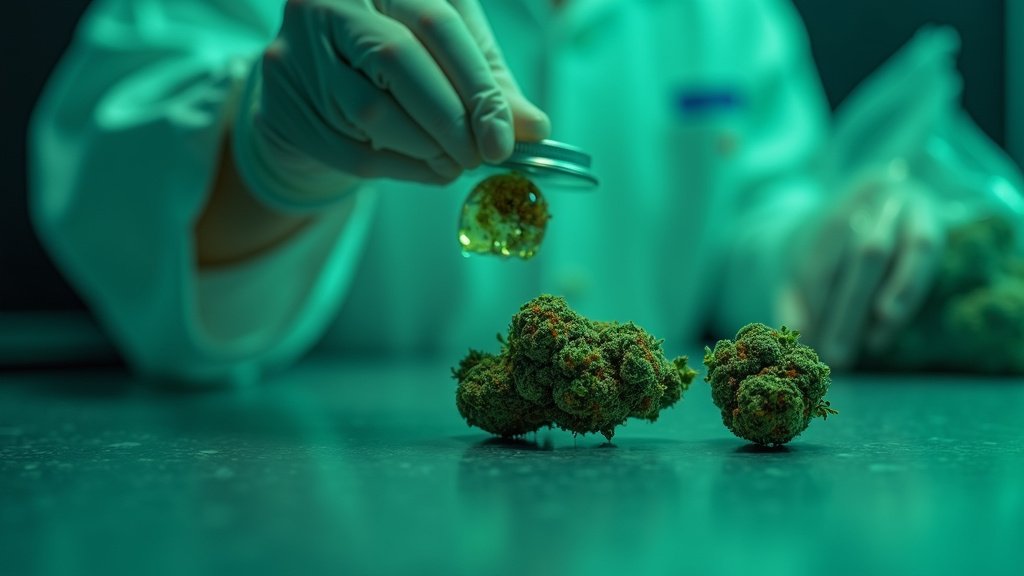
PHOENIX, AZ – The Arizona Department of Health Services (AZDHS) has announced a voluntary recall of two specific marijuana products due to potential contamination concerns. The agency is advising consumers to immediately dispose of these products, citing risks associated with Aspergillus fungus and lead contamination. This action highlights ongoing efforts to ensure consumer safety within the state’s regulated cannabis market.
Two Marijuana Products Recalled Amid Contamination Concerns
As of October 24, 2025, AZDHS issued advisories for the following products:
* The Scrooge strain of marijuana flower, identified by batch number 250310S-100, manufactured by Eba Holdings. This product is under recall due to possible contamination with the Aspergillus fungus.
* The Saints Bruce Banner strain of marijuana flower, bearing batch number F11BC241209, produced by Green Medicine. This recall is due to potential lead contamination.
Officials emphasized that these recalls are voluntary and initiated out of an abundance of caution. To date, no illnesses have been reported in connection with these specific batches of products.
Understanding the Health Risks: Aspergillus and Lead
Aspergillus Fungus: Aspergillus is a common type of mold found in the environment, including soil and decaying vegetation. While generally harmless to healthy individuals, its presence in cannabis can pose significant health risks, particularly for those with compromised immune systems or pre-existing respiratory conditions. Inhaling Aspergillus spores can trigger allergic reactions or lead to infections. Symptoms can range from asthma-like discomfort, cold-like symptoms, fever, and chest pain. For individuals with severely weakened immune systems, such as cancer patients undergoing chemotherapy or organ transplant recipients, Aspergillus can cause invasive aspergillosis, a serious and potentially life-threatening infection.
Lead Contamination: Lead is a toxic heavy metal that cannabis plants can absorb from soil, water, and fertilizers, a characteristic that also makes them useful for phytoremediation (removing toxins from soil). Scientific studies have indicated that cannabis users may have elevated levels of lead and cadmium in their bodies compared to non-users, suggesting cannabis can be a significant source of exposure. The U.S. Environmental Protection Agency states there is no safe level of lead exposure, and contaminated products can lead to a wide range of adverse health effects. Symptoms associated with lead exposure can include fatigue, headache, irritability, difficulty concentrating, abdominal pain, nausea, vomiting, constipation, and anemia, depending on the level and duration of exposure.
Regulatory Oversight and the Recall Process
The Arizona Department of Health Services (AZDHS) is responsible for licensing and regulating marijuana establishments, including ensuring product safety through laboratory testing requirements. Recalls are typically initiated when laboratory audits or inspections reveal potential discrepancies or contamination. In some instances, errors in initial testing results have led to potentially false negative findings, underscoring the importance of rigorous oversight.
When potential contamination is identified, AZDHS contacts the affected facility. Licensed establishments then cooperate by initiating voluntary recalls, working with distributors and retailers to remove the implicated products from shelves. These measures are taken to protect public health, even in the absence of reported illnesses.
Consumer Guidance and Industry Context
Consumers who have purchased either the Scrooge strain (batch 250310S-100) or the Saints Bruce Banner strain (batch F11BC241209) are strongly advised not to consume, ingest, or inhale the products. They should be disposed of safely. Individuals who have already consumed these products and are experiencing any related symptoms are urged to contact their healthcare provider or seek emergency care.
These product recalls contribute to the continuous flow of cannabis news, a subject often explored in cannabis-themed television, streaming, and movies, underscoring the critical need for stringent safety protocols and consumer vigilance in the evolving industry. The inherent ability of cannabis plants to accumulate metals from their environment also presents a broader challenge for the industry, necessitating continued research and robust testing protocols.
Conclusion
The recent recalls in Arizona serve as a reminder of the critical importance of consistent, thorough testing and vigilant regulatory oversight in the cannabis industry. By adhering to safety standards and responding promptly to potential risks, AZDHS and licensed establishments aim to safeguard consumer well-being. Consumers are encouraged to remain informed about product safety and to report any concerns.