Growing cannabis can seem daunting, but with the right approach, it’s an achievable and rewarding endeavor. This comprehensive guide breaks down the process into ten essential steps, offering clear advice for both novice and experienced cultivators aiming for high-quality yields. Mastering the basics of cannabis cultivation hinges on understanding the plant’s needs at each stage of its life cycle and providing an optimal environment.
Step 1: Choose Your Grow Space
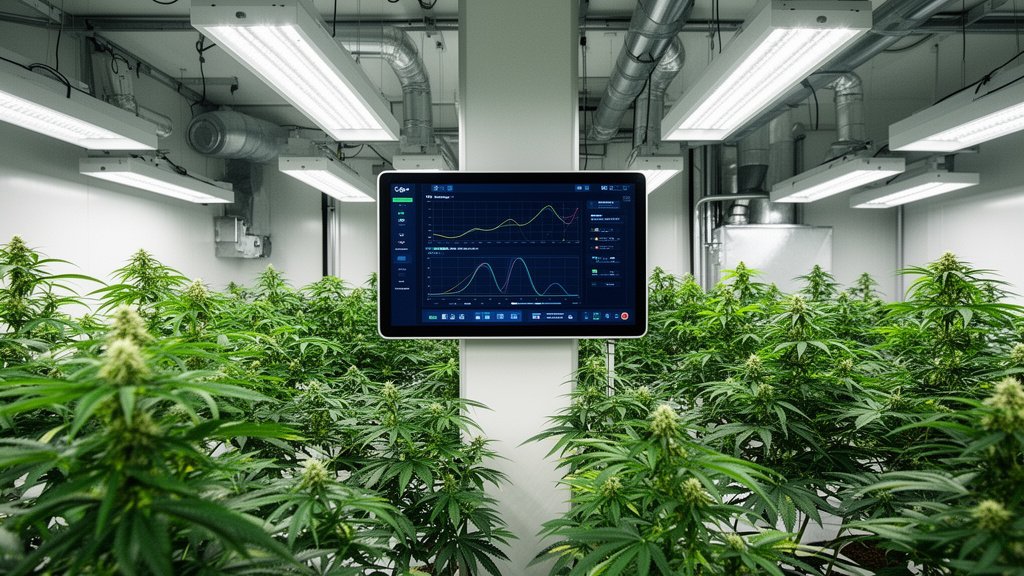
Your grow space is the foundation of successful cannabis cultivation. Whether you opt for indoor or outdoor growing, consider environmental factors. Indoors, select a clean, controlled area with proper ventilation to manage temperature, humidity, and air exchange, preventing mold and pests. Grow tents are popular for their contained environment. Outdoors, ensure a secure, private location with ample sunlight and access to clean water, and be mindful of local climate conditions and legalities.
Step 2: Select Your Seeds or Clones
The journey begins with your genetic material. You can start from seeds or clones. Seeds come in regular (producing male and female plants), feminized (guaranteed female plants), and autoflowering (independent of light cycles) varieties. Choosing the right strain depends on your desired effects, growing conditions, and desired harvest time. Feminized seeds are often recommended for beginners to avoid the identification and removal of male plants, which do not produce buds.
Step 3: Germinate Your Seeds
Germination is the awakening of the seed. This critical first step requires moisture, warmth (around 80°F or 27°C), and darkness. Many growers soak seeds in water for 12-24 hours until they sink, then place them between moist paper towels in a dark, warm spot. Sprouting typically occurs within 2-3 days, signaled by the emergence of a taproot.
Step 4: Nurture Seedlings
Once the taproot emerges, gently transfer the germinated seed, root-down, into your chosen growing medium. Seedlings are delicate and require high humidity (65-70%) and gentle, indirect light for about 18 hours a day. Avoid overwatering, as their root systems are still developing, and refrain from adding nutrients if your medium is pre-fertilized. This stage can last 2-3 weeks.
Step 5: The Vegetative Stage
In the vegetative stage, the plant focuses on growth, developing its root system, leaves, and branches. Maintain a light cycle of 18 hours on and 6 hours off. Optimal temperatures range from 70-85°F (21-29°C) with humidity between 40-70%. Plants in this phase require higher nitrogen levels for vigorous foliage and stem development. Watering frequency increases as the plant grows, typically every 2-3 days, ensuring the top inch of soil is dry before watering.
Step 6: Triggering the Flowering Stage
Flowering is triggered by a reduction in light to a 12-hour on, 12-hour off cycle. This mimics the natural shift from summer to fall. During this stage, plants will focus energy on bud development. Temperatures can be slightly cooler, ideally between 65-80°F (18-26°C), and humidity should be reduced to 40-55% to prevent mold. Nutrient needs shift towards higher phosphorus and potassium to support bud formation.
Step 7: Environmental Control is Key
Throughout the entire cultivation process, meticulous control of the environment is paramount. This includes maintaining optimal light intensity and spectrum, consistent temperatures within the recommended ranges for each stage, appropriate humidity levels, and robust airflow. Good air circulation is crucial for preventing disease and strengthening plants. Temperature fluctuations should be minimized.
Step 8: Watering and Nutrient Management
Proper watering is critical; overwatering can be as detrimental as underwatering. Water only when the top layer of soil feels dry. The pH of your water and nutrient solution is also vital for nutrient absorption. For soil grows, aim for a pH of 6.0-7.0, and for hydroponics, 5.5-6.5. Nutrients should be adjusted based on the plant’s growth stage, with higher nitrogen for vegetative growth and increased phosphorus and potassium for flowering. Start with basic, quality nutrients and follow feeding schedules carefully, avoiding over-fertilization.
Step 9: Harvesting Your Cannabis
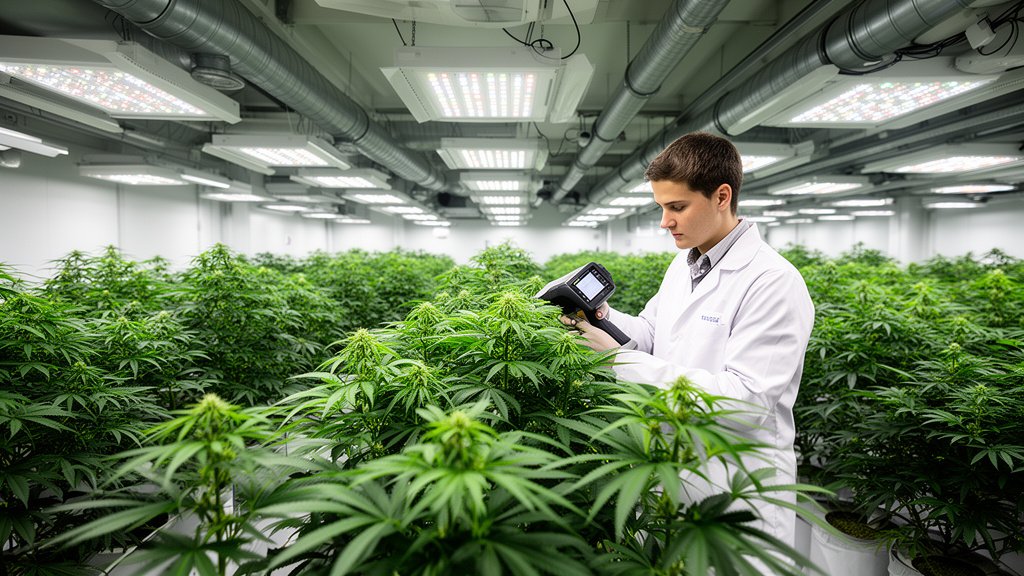
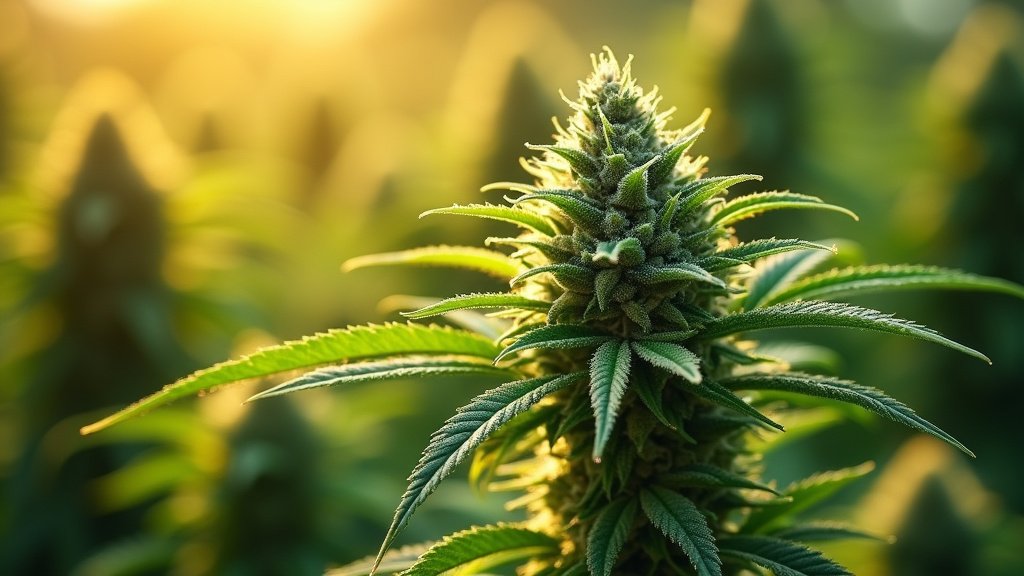
Recognizing the right time to harvest is key to maximizing potency and flavor. Look for changes in the pistils (white hairs) and trichomes (tiny resin glands) which can be observed with a magnifying lens. Harvesting typically occurs 8-12 weeks after flowering begins, depending on the strain.
Step 10: Drying and Curing for Quality
After harvesting, the drying and curing process is essential for preserving the quality of your cannabis. Buds should be dried in a cool, dark, well-ventilated space with humidity around 50% for about 7-14 days. Once dry, they are cured in airtight containers, like glass jars, for several weeks, allowing moisture to equalize and flavors to develop.
Successful cannabis cultivation is a blend of science and patience. By following these ten steps and providing consistent care, growers can achieve impressive results and enjoy the fruits of their labor.