The burgeoning cannabis cultivation industry faces unique and stringent demands when it comes to environmental control, extending far beyond the requirements of conventional comfort cooling systems. Achieving optimal conditions inside cultivation facilities is not merely about maintaining a pleasant atmosphere; it is a fundamental requirement for ensuring crop health, yield, and ultimately, the quality of the final product.
The Unique Environmental Imperative
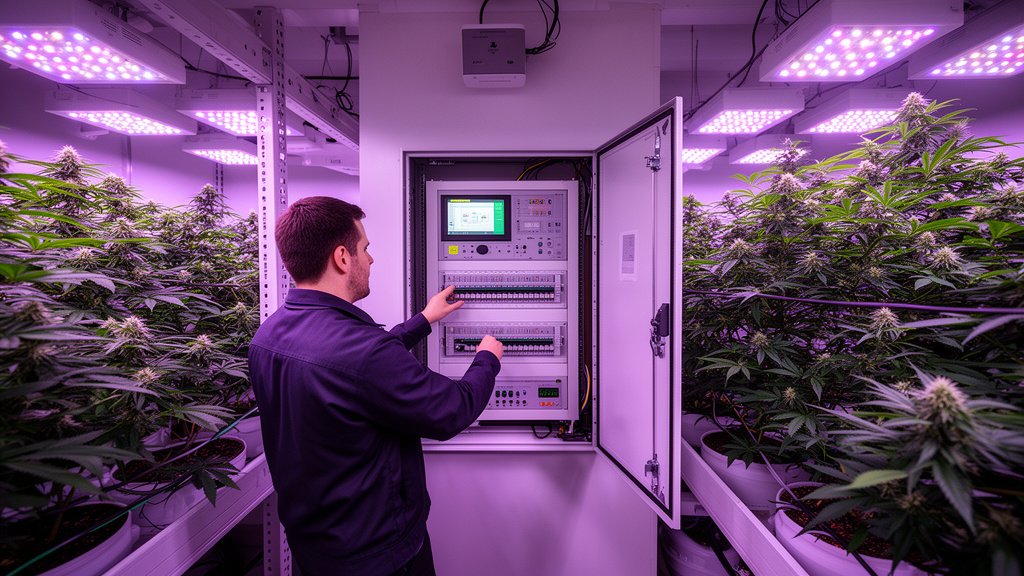
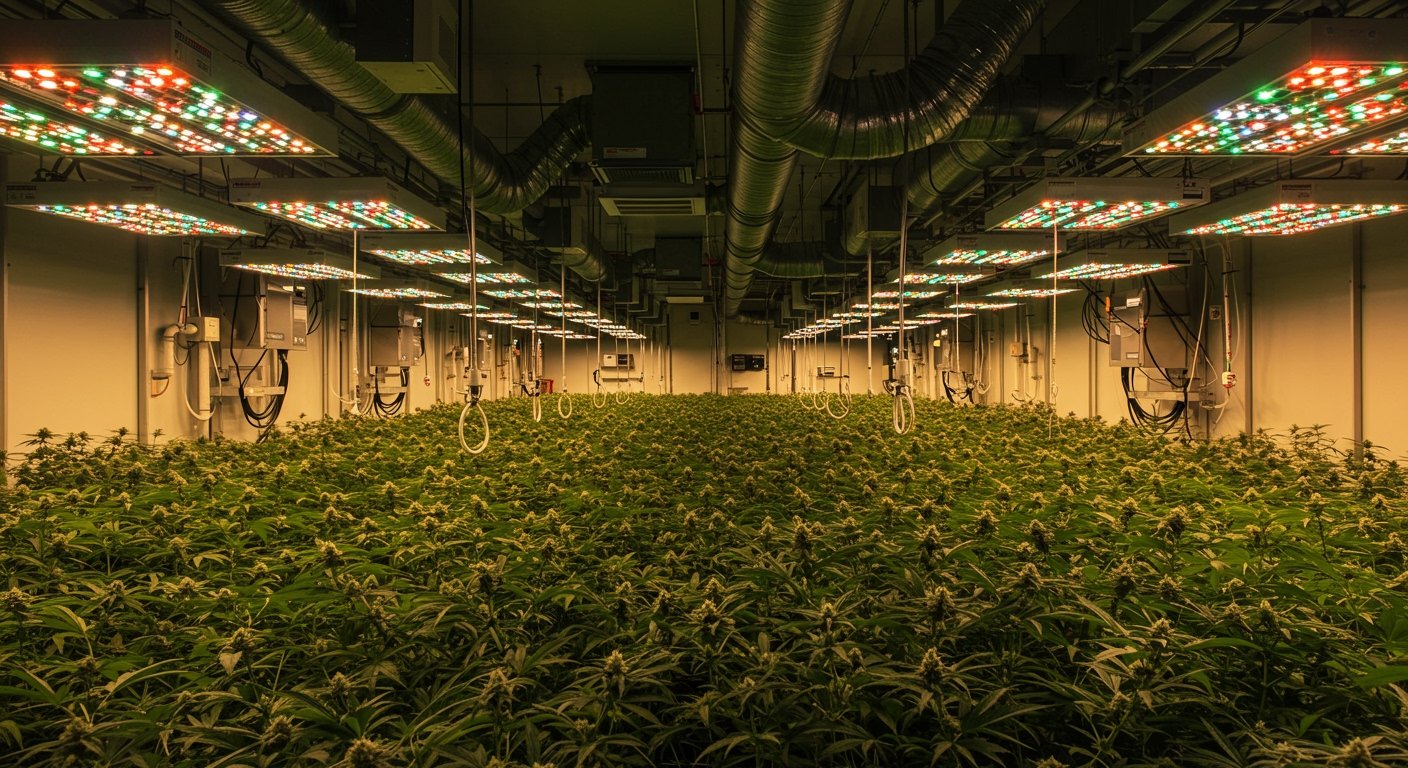
Unlike typical commercial or residential spaces, indoor cannabis cultivation necessitates extraordinarily precise control over several key environmental factors: temperature, humidity, carbon dioxide (CO₂ levels), and airflow. These parameters are not static; they require careful management and often need to vary significantly throughout the different stages of the plant’s lifecycle, from vegetative growth to flowering.
Standard HVAC systems are simply not engineered to handle this level of dynamic and precise control. Their primary function is to provide heating, cooling, and ventilation for human comfort, which involves much broader tolerances for temperature and humidity fluctuations. The delicate nature of cannabis plants, particularly the development of crucial components like trichomes and terpenes, means that even minor or transient instability in environmental conditions can have detrimental effects.
The Cost of Instability: Impact on Quality
Instability in the grow environment directly impacts product quality. Poorly controlled humidity, for instance, can lead to issues like mold or mildew, while incorrect temperatures can stress plants and inhibit proper development. Crucially, fluctuations can harm trichomes, the tiny crystal-like structures on the plant that contain cannabinoids and terpenes, which are responsible for the plant’s potency, aroma, and flavor profile. Furthermore, unstable conditions can increase terpene off-gassing, meaning valuable aromatic compounds are lost to the atmosphere rather than remaining in the plant material.
These quality compromises translate directly into reduced market value and can undermine the significant investments made in cultivation infrastructure and genetics. The need for robust, reliable, and precise environmental management is therefore paramount, driving innovation in specialized HVAC technologies.
Specialized Solutions for Controlled Environment Agriculture
Recognizing the critical gap between standard HVAC capabilities and the demands of indoor agriculture, companies are increasingly developing specialized systems specifically designed for controlled environment agriculture (CEA). These systems are engineered from the ground up to handle the unique challenges posed by dense plant canopy environments, where transpiration rates are high and maintaining low humidity is a constant battle.
Desert Aire, for example, has engineered a dedicated line of HVAC equipment tailored specifically for indoor agriculture. Their systems are designed to address common issues such as high humidity, a problem that standard rooftop units, primarily built for comfort cooling in non-agricultural settings, are not equipped to handle effectively. Simply adding standard dehumidifiers to comfort cooling systems presents its own challenge: many dehumidification processes convert moisture into heat, inadvertently counteracting the cooling efforts of the main HVAC unit and creating an energy inefficiency.
Another key player in this space is Anden, which offers variable-speed dehumidification systems. These advanced systems are designed to maintain tight environmental control even under challenging conditions. The variable-speed technology allows for more precise and efficient operation, adjusting output based on real-time needs. This not only ensures optimal conditions for plant growth but also contributes significantly to reducing energy consumption and overall operational costs for cultivators.
The Future of Cultivation Technology
Looking ahead, the industry is expected to see further advancements in connected HVAC products. The integration of sensors, data analytics, and smart control systems will provide growers with unprecedented visibility and control over their indoor environment. This connectivity will enable fine-tuning of conditions based on specific plant strains, growth phases, and external factors, maximizing efficiency and quality.
The evolution of HVAC technology is proving to be a vital component in the professionalization and scaling of the cannabis cultivation industry. As demand grows and competition increases, the ability to consistently produce high-quality product hinges significantly on mastering the indoor climate. Specialized, energy-efficient, and intelligent environmental control systems are no longer a luxury but a necessity for success in this rapidly evolving agricultural sector.