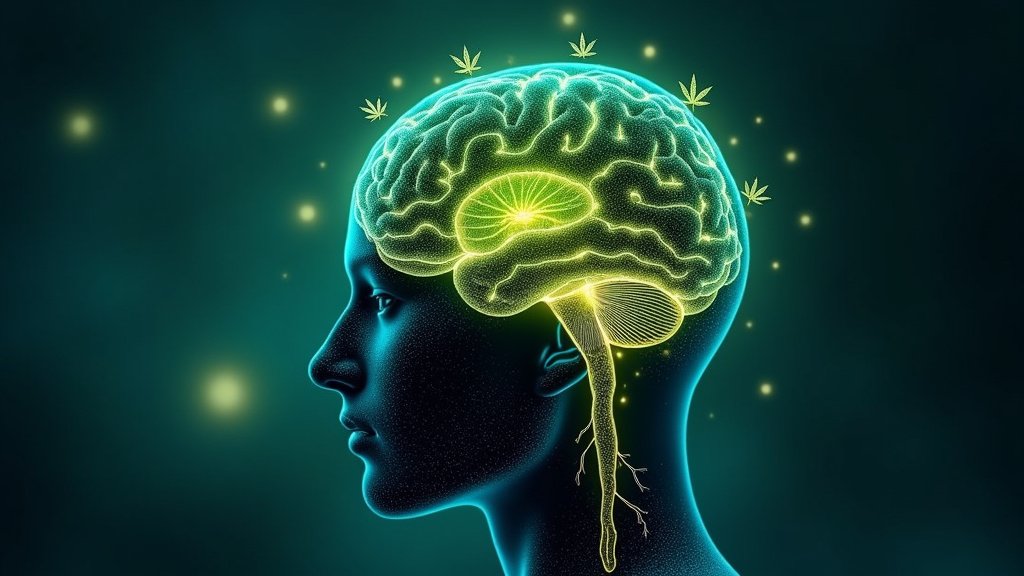
Cannabis Bioscience International Holdings (CBIH) is moving forward. They announced a new initiative on December 29, 2025. The company seeks a patent for a new therapy. This therapy targets opioid addiction. This news comes at a pivotal time. President Trump signed an executive order on December 18, 2025. His order expedites cannabis rescheduling. It moves cannabis from Schedule I to Schedule III. CBIH views this policy shift as a major opportunity. It can boost medical cannabis innovation. The company also plans broader collaborations. These will include pharmaceutical partners and regulators.
The Devastating Opioid Crisis
The United States faces a severe opioid crisis. Tens of thousands of lives are lost yearly. Over 700,000 people have died from opioid overdoses since the early 2000s. In 2024 alone, an estimated 54,743 Americans died from these overdoses. The crisis is complex. It involves psychiatric and medical factors. Opioids dangerously affect the brainstem. This can lead to fatal respiratory depression. These drugs are often called a “silent killer”. The crisis traces back to the mid-1990s. Increased prescription opioid use was a key factor.
Federal Rescheduling Momentum
President Trump’s December 18, 2025, executive order is significant. It directs federal agencies to expedite cannabis rescheduling. This moves marijuana from Schedule I to Schedule III under the Controlled Substances Act. Schedule I is for drugs with high abuse potential and no medical use. Schedule III is for drugs with accepted medical uses and lower abuse potential. This change is not full legalization. However, it could allow state-legal businesses tax relief. They may deduct ordinary business expenses. The order also aims to expand federal research on cannabis. Agencies like the FDA and NIH are tasked with this. The rescheduling process itself takes time. It involves formal rulemaking procedures.
CBIH’s Science-First Approach
CBIH’s new patent initiative focuses on the endocannabinoid system. The therapy targets brain reward circuits. It aims to support the brain during recovery. This is especially crucial in the post-detox phase. The company’s R&D Director, Dr. Rosangel Andrades, stated the goal is to help the “addicted brain” regain stability. The investigational approach seeks to modulate neural circuits. It also aims to alleviate withdrawal symptoms. Furthermore, it should reduce relapse vulnerability. CBIH emphasizes a commitment to science-based solutions. They see it as a moral obligation.
Emerging Research on Cannabis and Opioids
Existing research suggests medical cannabis shows promise. It may help reduce opioid use and addiction. Cannabis acts as an analgesic and anti-inflammatory. It can help manage withdrawal symptoms. It may also address chronic pain that leads to opioid use. Studies in states with legal medical cannabis have shown reductions in opioid addiction. Some research indicates cannabis may be as effective as opioids for chronic pain. However, much of this evidence comes from observational studies. More rigorous clinical trials are needed. These will confirm the benefits and safety profiles.
A New Era for Medical Cannabis
CBIH believes its future is unfolding now. The company plans to present its formulation to Robert F. Kennedy Jr., Secretary of Health and Human Services. This is to explore research collaborations. CBIH sees the current policy momentum as a chance to advance compliant research. They are committed to innovation and responsible product development. This trending news highlights a growing interest. It also shows a shifting perspective. Cannabis is increasingly viewed for its medical potential. The company extends gratitude for support. They wish everyone a healthy and prosperous New Year.