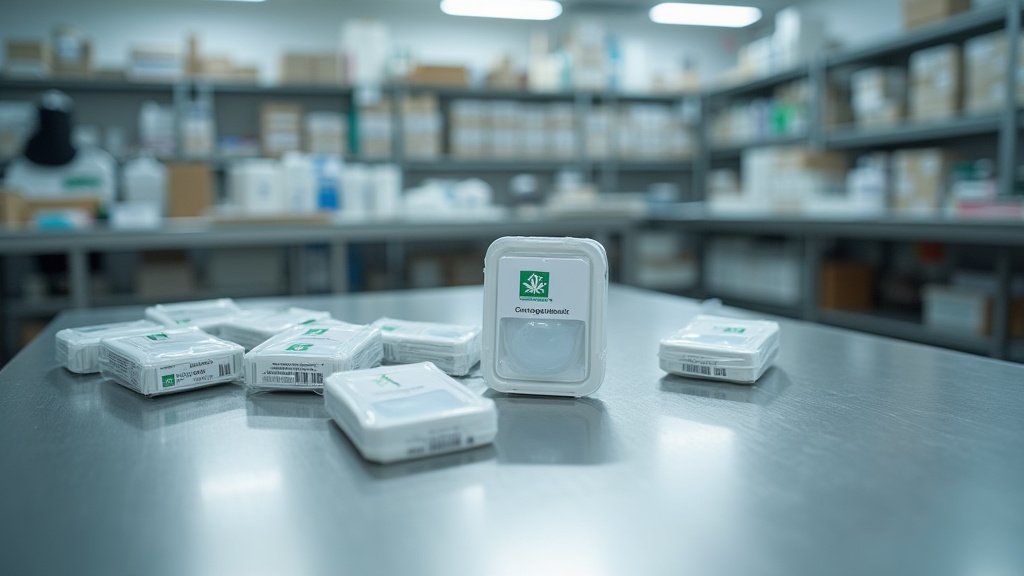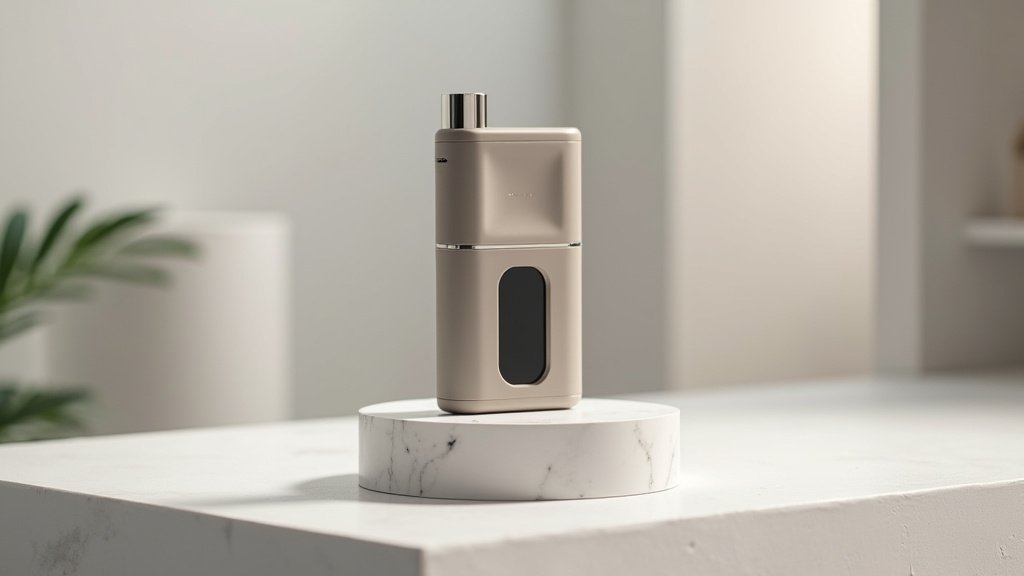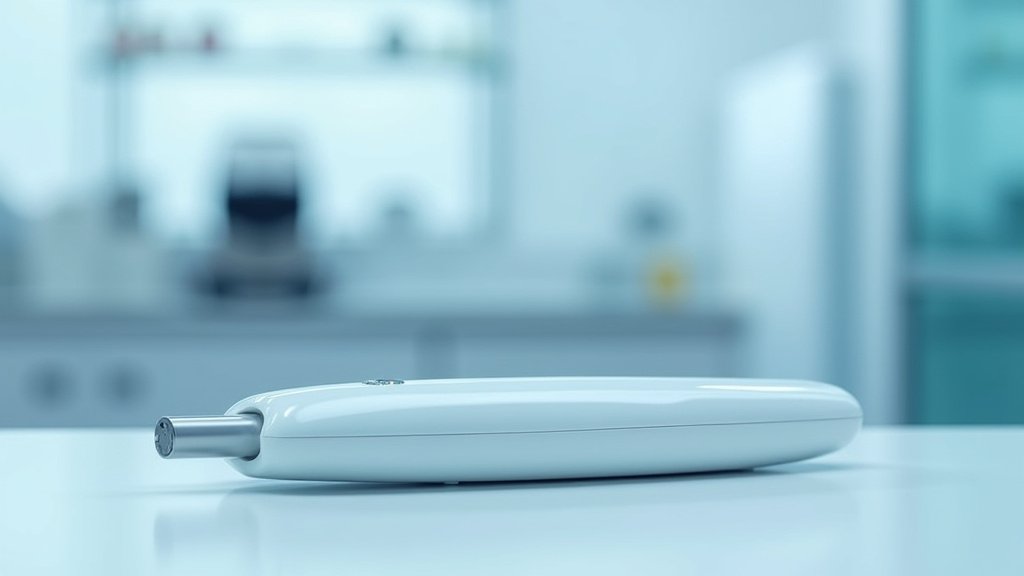
Cannabix Technologies, a leader in the development of breath-based cannabis detection solutions, has officially filed a U.S. provisional patent for a rapid marijuana breath test designed specifically for point-of-care environments. This strategic filing aims to integrate the company’s proprietary Breath Collection Unit (BCU) and Breath Cartridge technologies with advanced lateral flow assay (LFA) platforms. By targeting the detection of delta-9 tetrahydrocannabinol (THC)—the primary psychoactive compound in cannabis—the system promises to address a critical, long-standing gap in industrial safety and workplace toxicology: the ability to rapidly and accurately assess recent marijuana use without the need for time-consuming laboratory analysis.
Key Highlights
- Strategic Innovation: The filing connects Cannabix’s existing Breath Collection Unit (BCU) with lateral flow assay platforms, creating a streamlined, portable diagnostic tool.
- Targeted Detection: The system is specifically engineered to isolate delta-9 THC, distinguishing between recent consumption and historical use.
- Point-of-Care Utility: Designed for rapid deployment in high-stakes environments, such as transport, mining, and heavy industrial sectors where safety is paramount.
- Addressing the ‘Impairment Gap’: The technology represents a significant leap forward in providing actionable data for employers and safety officers dealing with potential marijuana-related impairment.
Advancing Roadside and Workplace Toxicology: The New THC Breathalyzer Frontier
In the rapidly evolving landscape of cannabis legalization and workplace safety, the inability to quickly determine recent marijuana consumption has been a primary concern for employers, law enforcement, and human resource departments. Traditional testing methods, such as urine, blood, or hair follicle analysis, are inherently limited: they can detect the presence of cannabis metabolites for days or even weeks, which is largely irrelevant when attempting to determine immediate impairment or safety risks during a work shift. Cannabix Technologies aims to disrupt this paradigm with its latest patent filing, which proposes a hardware-software bridge between their proven breath collection systems and rapid diagnostic assays.
The Technological Leap: Integrating Lateral Flow Assays
The core of this new patent lies in the integration of Lateral Flow Assays (LFA) with the company’s existing hardware. LFA technology, widely recognized for its speed and simplicity—most notably in rapid antigen tests—operates by flowing a sample across a test strip, where it interacts with specific antibodies to produce a visual result. By adapting this platform to detect delta-9 THC in breath, Cannabix is effectively shrinking the laboratory environment into a handheld cartridge.
This is a significant departure from standard gas chromatography-mass spectrometry (GC-MS) workflows, which require bulky, expensive equipment and highly trained personnel. The patent describes how the Breath Collection Unit functions as the primary intake system, ensuring that sufficient volumes of volatile organic compounds (VOCs) are trapped and then transferred to the LFA cartridge. The result is a point-of-care diagnostic tool that is potentially as easy to operate as a standard alcohol breathalyzer, but with the specificity required for modern toxicology.
Addressing the ‘Impairment Gap’: Why Breath Testing Wins
One of the most persistent scientific challenges regarding marijuana is the pharmacokinetics of THC. Unlike alcohol, which processes through the body in a predictable, linear fashion, THC is highly lipophilic—it stores itself in fat cells and releases slowly over time. This makes urine and blood tests unreliable proxies for current impairment.
Breath testing changes the variable. THC detected in breath typically correlates with recent smoking or vaping, as it captures the aerosolized particles residing in the respiratory tract shortly after intake. By focusing on this physiological window, Cannabix’s technology seeks to provide a far more accurate representation of recent exposure, thereby reducing false positives that arise from passive inhalation or usage that occurred days prior. This is the ‘impairment gap’—the space between ‘has used cannabis’ and ‘is currently impaired’—and it is precisely where Cannabix is positioning its product.
Industrial and Safety Implications
For industrial sectors, the implications of this technology are profound. Industries utilizing heavy machinery, commercial transport, and high-precision manufacturing operate on zero-tolerance policies for intoxication. Currently, these industries rely on slow laboratory processes that can result in significant downtime and legal ambiguity. A rapid breath test provides immediate, actionable data, allowing supervisors to make evidence-based decisions about fitness-for-duty in real-time.
Furthermore, the integration of the Breath Cartridge allows for a standardized, hygienic, and tamper-resistant testing process. In a corporate environment, where documentation and chain-of-custody are critical, this system offers a professional solution that aligns with standard workplace safety protocols. It turns a complex scientific problem into a routine, procedural check-and-balance system.
Overcoming the Technical Hurdles of Delta-9 THC Detection
The technical difficulty of detecting THC in breath cannot be overstated. THC is a complex, sticky molecule that does not easily vaporize in the same way ethanol does in alcohol breathalyzers. It requires precise handling to prevent degradation and to ensure that the trace amounts present in a breath sample are sufficient for detection.
Cannabix’s patent outlines a sophisticated method of collection that preserves the integrity of the sample. By combining the BCU with a specialized cartridge, the company is managing the environmental variables that often plague diagnostic devices. This engineering approach—focusing on the collection and stabilization phases before the actual detection phase—is likely the key to their progress. While other firms have struggled to scale down the detection equipment, Cannabix is effectively using the BCU as a pre-concentrator, solving the volume problem that has previously hindered the development of reliable THC breathalyzers.
FAQ: People Also Ask
Q: How does this test differ from a standard DUI blood test?
A: Blood tests measure THC metabolites that remain in the system for weeks. Cannabix’s breath test specifically isolates delta-9 THC, which is present in the breath primarily during or immediately following active consumption, offering a better indicator of recent use rather than historical usage.
Q: Will this be used by law enforcement or just employers?
A: While the patent focuses on point-of-care utility suitable for industrial safety, the technology is inherently dual-use. Its portability makes it a candidate for roadside testing, though Cannabix continues to navigate the legal and regulatory requirements for law enforcement deployment.
Q: What is the main benefit of the lateral flow assay (LFA) platform?
A: LFA platforms are inexpensive, fast, and highly portable. They eliminate the need for centralized laboratory infrastructure, allowing the test to be performed on-site at a job location, resulting in immediate results rather than waiting days for lab reports.