Ohio’s cannabis sector enters a critical transition phase this week as the Division of Cannabis Control (DCC) enforces rigorous new compliance standards for both adult-use retailers and medical dispensaries. These updates, effective immediately, fundamentally reshape packaging requirements and THC potency testing protocols, while simultaneously, new pathways for federal DEA registration offer a glimpse into the future of interstate commerce. For operators, the shift represents the most significant administrative challenge since the rollout of adult-use legalization, requiring rapid adaptation of supply chains and point-of-sale systems.
Key Highlights
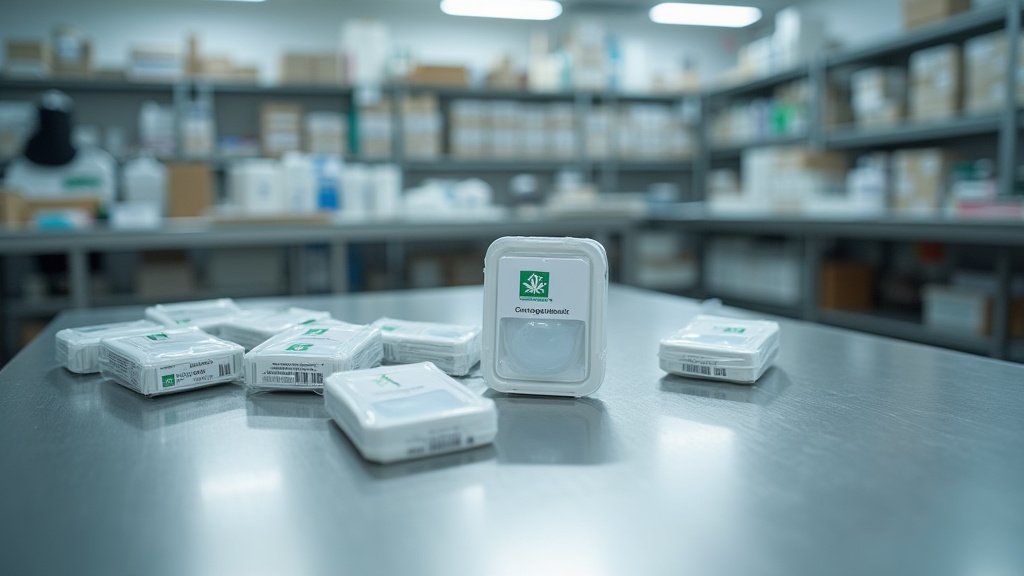
- DCC Packaging Mandate: All adult-use retail units must now transition to opaque, tamper-evident, and child-resistant packaging by Q4 2026.
- Potency Labeling: The DCC has tightened allowable THC variance from 10% down to 5%, mandating higher-frequency lab testing.
- DEA Pathway: The DEA has launched a new “Expression of Interest” portal, allowing state-licensed entities to submit business data for prospective federal registration status.
- Digital Compliance: Medical dispensaries are now required to integrate with the state’s centralized real-time purchase verification system to monitor patient limits automatically.
Navigating the New Compliance Landscape
The landscape for cannabis operators in Ohio has shifted beneath their feet. As of October 13, 2026, the Division of Cannabis Control (DCC) has moved to address long-standing concerns regarding consumer transparency and public safety, specifically targeting the “Wild West” nature of product potency claims and the aesthetic variations in retail packaging. This overhaul is not merely a change in administrative preference; it is a fundamental restructuring of how product hits the shelf.
Operational Shifts: The DCC’s Directive on Packaging and Potency
For cultivators and processors, the most immediate pain point is the new 5% variance rule. Previously, industry standards allowed for a 10% discrepancy between tested THC levels and final product labeling. The DCC’s new threshold is designed to combat “potency inflation,” a market practice where products are marketed as higher-strength than their chemical reality. Operators who fail to meet this 5% variance standard in independent third-party testing will now face mandatory product recalls and temporary suspension of batch sales.
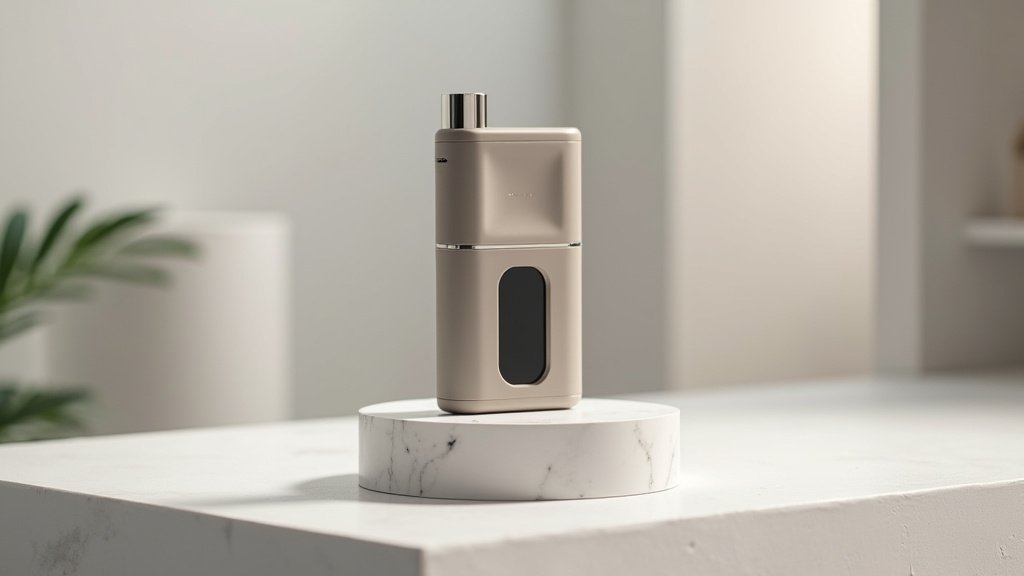
Furthermore, the packaging mandate requires a move toward opaque, medical-grade, child-resistant materials. Retailers who have spent millions on branding that highlights the visual appeal of cannabis flower are now being forced to pivot toward functional, utility-focused packaging. This shift aligns Ohio’s standards closer to the rigorous requirements seen in mature markets like Colorado and Washington, signaling that the DCC is prioritizing consumer education over market-facing aesthetic appeal.
The Federal Equation: New DEA Registration Pathways
Perhaps more significant than the state-level regulation is the unexpected development from the U.S. Drug Enforcement Administration (DEA). In a quiet announcement made earlier this week, the agency opened a formalized pathway for state-licensed cannabis businesses to submit registration documentation. While this does not equate to immediate federal legalization or full rescheduling, industry analysts view this as the “data gathering” phase of a long-term federal integration strategy.
This registration portal allows business owners to register their “corporate footprint,” effectively putting their name on a federal list of compliant, state-legal operations. For many, this is a strategic move to prepare for the eventual passage of banking reform or the long-rumored descheduling bills that have stalled in Congress for the past two sessions. By registering now, operators are essentially queuing themselves for when federal interstate commerce becomes a legal reality.
Patient and Consumer Impact: The Evolution at the Counter
Medical dispensaries in Ohio are also facing new operational hurdles. The state has mandated that all Medical Marijuana Control Program (MMCP) dispensaries integrate their point-of-sale (POS) systems with a centralized state database. This integration serves to prevent “doctor shopping” or exceeding monthly purchase limits, which historically has been managed via slow, paper-heavy reporting.
For the patient, this means the end of potential double-dipping between dispensaries. For the retailer, it means an immediate, real-time check of patient capacity upon scanning a government-issued ID. While this streamlines the check-out process, it also increases the technical burden on smaller “mom-and-pop” dispensaries that may have legacy POS systems. The DCC has provided a 30-day grace period for full integration, but the deadline is strict, and compliance officers are expected to conduct spot checks starting in November.
Economic and Structural Context
Looking at the broader economic impact, these regulations act as a “market thinner.” The initial capital expenditure required to update packaging, recalibrate testing protocols to the 5% standard, and upgrade POS software is significant. Smaller operators without substantial venture backing or existing cash reserves may find the barrier to entry rising, potentially leading to a consolidation wave in the Ohio market.
We are witnessing the professionalization of the Ohio cannabis sector. This is no longer a localized grassroots industry; it is becoming a highly scrutinized, data-driven, and federally-monitored landscape. As we move toward the end of 2026, the businesses that succeed will be those that view compliance not as a hurdle, but as a prerequisite for survival. The alignment between state-level enforcement and federal data gathering is a signal that the “gray market” days are officially numbered.
FAQ: People Also Ask
Q: What is the new THC variance threshold for Ohio cannabis products?
A: As of October 2026, the allowed variance for THC potency labeling is 5%, reduced from the previous 10% standard. This requires more precise laboratory testing to ensure labeling accuracy.
Q: Do dispensaries need to upgrade their point-of-sale systems?
A: Yes. The DCC now requires mandatory real-time integration with a centralized state database to track patient purchase limits and prevent over-purchasing.
Q: What is the purpose of the new DEA registration portal?
A: The DEA has opened an “Expression of Interest” portal for state-licensed cannabis entities. This allows businesses to submit operational data to the federal government, positioning them for potential future federal rescheduling or interstate commerce regulations.
Q: Is there a grace period for the new packaging rules?
A: While implementation is immediate for new inventory, the DCC has allowed a limited transition period for existing stock, though all new packaging entering the supply chain must meet the opaque, child-resistant, and tamper-evident standards immediately.