As Minnesota marks the first anniversary of its recreational cannabis legalization, the state’s nascent industry is shifting gears. What began as a cautious legislative rollout on August 1, 2023, has evolved into a strategic push for cultivation scale. Industry experts and officials from the Office of Cannabis Management (OCM) confirm that as the regulatory framework stabilizes, the focus has shifted toward robust production ramp-ups, with technical support for new growers emerging as the critical infrastructure of the market’s second year.
Key Highlights
- Production Expansion: Commercial cultivation operations are aggressively scaling up to meet projected consumer demand following the initial, slower-than-anticipated retail rollout.
- Technical Infrastructure: A new emphasis on agricultural technology and compliance education is assisting small-scale and social equity growers in navigating complex environmental and regulatory standards.
- Regulatory Maturation: The Office of Cannabis Management (OCM) is actively streamlining licensing pathways to address bottlenecks that characterized the first twelve months.
- Economic Impact: The transition from home-grown to licensed commercial production is creating a specialized sub-sector of ag-tech jobs focused on sustainable, high-yield cannabis agriculture.
The Architecture of Minnesota’s Cannabis Scale-Up
The first year of Minnesota’s recreational cannabis market was characterized by a “cautious crawl” rather than a “gold rush.” While the landmark legislation (House File 100) effectively ended prohibition, the practical implementation—ensuring a legal, safe, and regulated supply chain—required a year of structural laying. Now, entering the second year, the narrative has shifted decisively toward supply-side expansion. The industry is witnessing a concerted effort by growers, both legacy operators transitioning to legal status and new entrants, to ramp up production capacities. This surge is not merely about planting more seeds; it is about refining the sophisticated agricultural technology required to thrive in a highly regulated, climate-controlled environment.
Scaling for the Modern Market
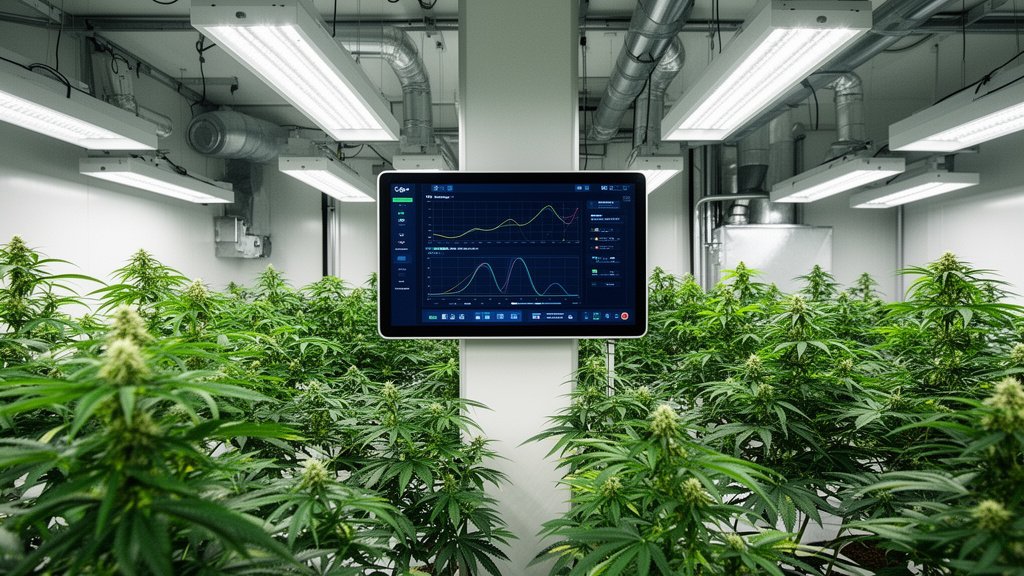
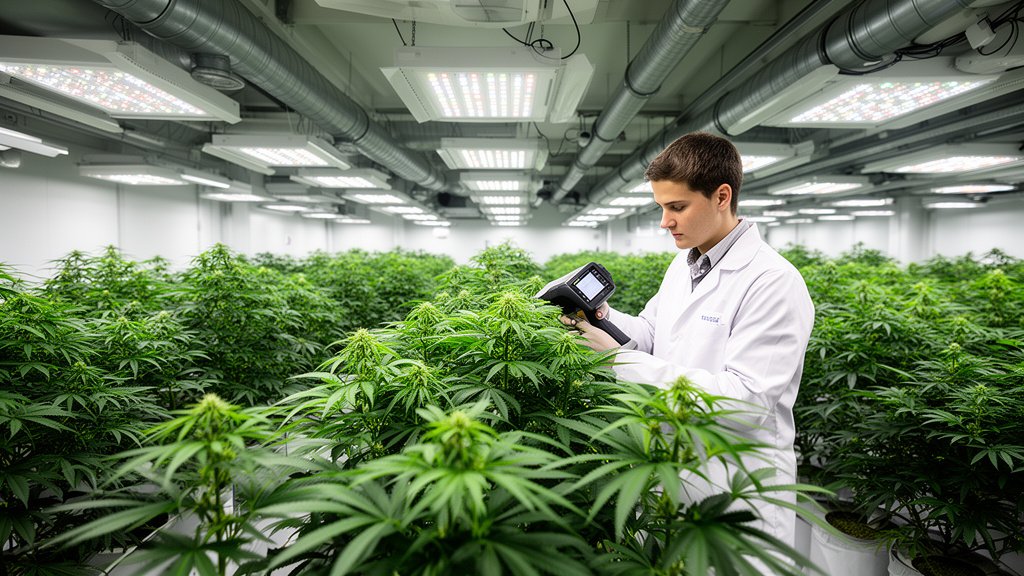
For growers, the challenge of year two is balancing volume with quality. Modern Minnesota cannabis cultivation is distinct from the agricultural operations of neighboring states due to its focus on high-efficiency, indoor, and hybrid greenhouse production. Growers are now investing heavily in climate control systems, automated irrigation, and nutrient delivery protocols that maximize potency and yield while maintaining the strict quality standards required by the state. This technical ramp-up is supported by an influx of capital and expertise from agricultural professionals pivoting into the cannabis space, bringing with them sophisticated data analytics that track everything from terpene profiles to humidity variances in real-time.
The Role of Technical Assistance
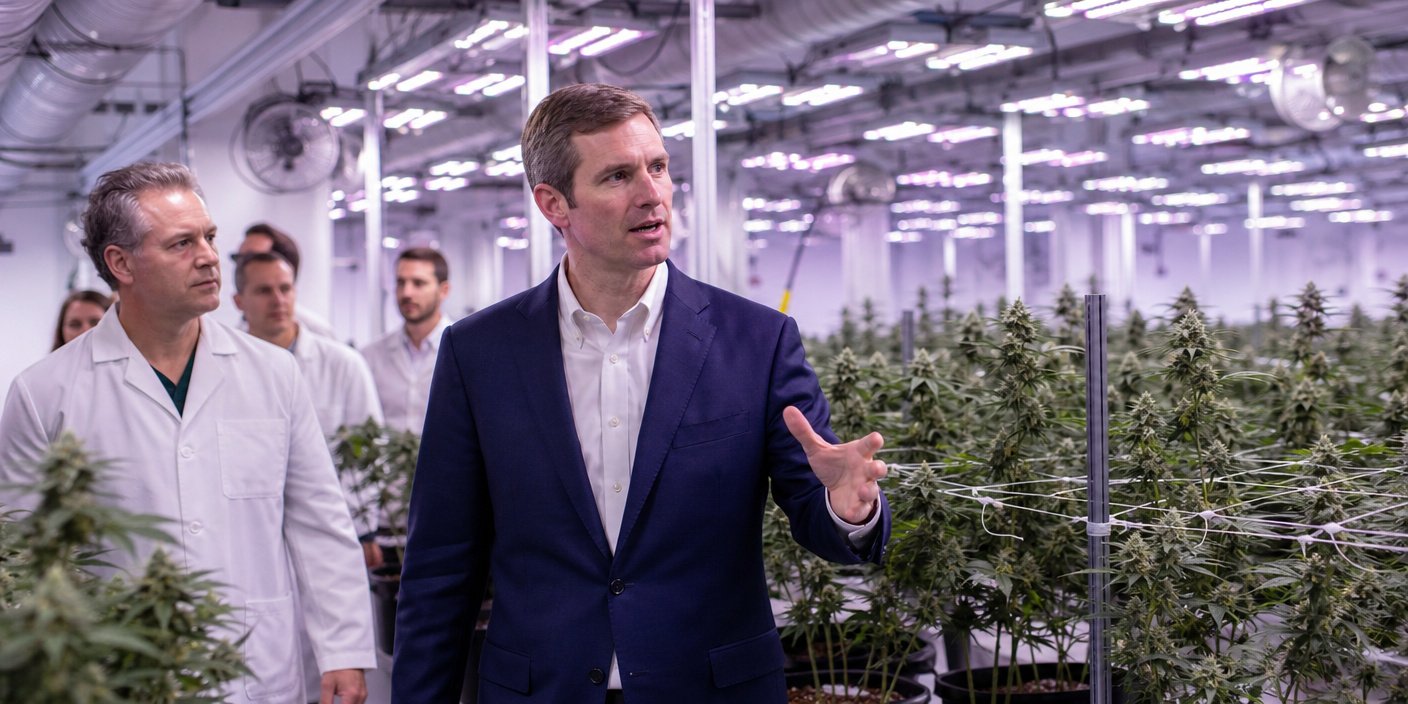
The Office of Cannabis Management (OCM) has recognized that the success of the market depends on the viability of its licensed producers. A major secondary angle of this development is the implementation of technical support networks. These programs act as a bridge for social equity applicants and microbusiness owners who may lack the deep pockets of larger multi-state operators. By providing training on seed-to-sale compliance tracking, environmental sustainability, and precision agriculture, the state is effectively lowering the barrier to entry. This is not just a regulatory requirement; it is a strategic move to ensure that the market remains diverse and competitive rather than dominated by a few massive conglomerates.
Regulatory Efficiency and Licensing
One of the most persistent bottlenecks in year one was the licensing timeline. Growers faced a complex web of requirements, from local municipal zoning approval to the state-level OCM vetting process. As we enter the second year, the state is moving toward a more streamlined operational model. Experts suggest that as the OCM gains more experience in evaluating applications, the turnaround times are expected to accelerate, allowing for a more predictable and scalable market. This, in turn, allows cultivators to plan their harvests with greater certainty, fueling the current production ramp-up. The relationship between the state and the growers has transitioned from a period of adversarial ambiguity to one of collaborative compliance.
Future Predictions: The 2025 Market Outlook
Looking toward the future, the integration of technology into Minnesota’s cannabis production will likely be the primary differentiator of the state’s market. With a focus on energy efficiency—a critical concern given the state’s climate—the next wave of facilities will likely leverage vertical farming and AI-driven growth optimization. These technologies are not just theoretical; they are currently being implemented in pilot projects across the state. The goal is to establish a market that is not only robust in its product offering but also sustainable, durable, and capable of weathering potential market fluctuations. As Minnesota moves into its second year, the focus remains clear: establish the supply chain today, to secure the market share tomorrow.
FAQ: People Also Ask
Q: How has the OCM impacted the first year of production?
A: The Office of Cannabis Management has been instrumental in establishing the regulatory guardrails. Their role in year one was foundational, focusing on licensing protocols and public safety, while year two is seeing a pivot toward supporting producers in navigating compliance at scale.
Q: Is the ‘production ramp-up’ resulting in lower consumer prices?
A: Economists predict that as production volumes increase and supply chains mature, price competition will naturally stabilize. However, currently, the market is still in a growth phase where quality and brand differentiation play a larger role than bulk pricing.
Q: What is a ‘microbusiness’ in the context of Minnesota cannabis?
A: A microbusiness license is designed for smaller, local operations, allowing them to engage in multiple levels of the supply chain—cultivation, processing, and retail—within a smaller, more manageable scope compared to large-scale commercial operators.
Q: How are growers handling the climate challenges in Minnesota?
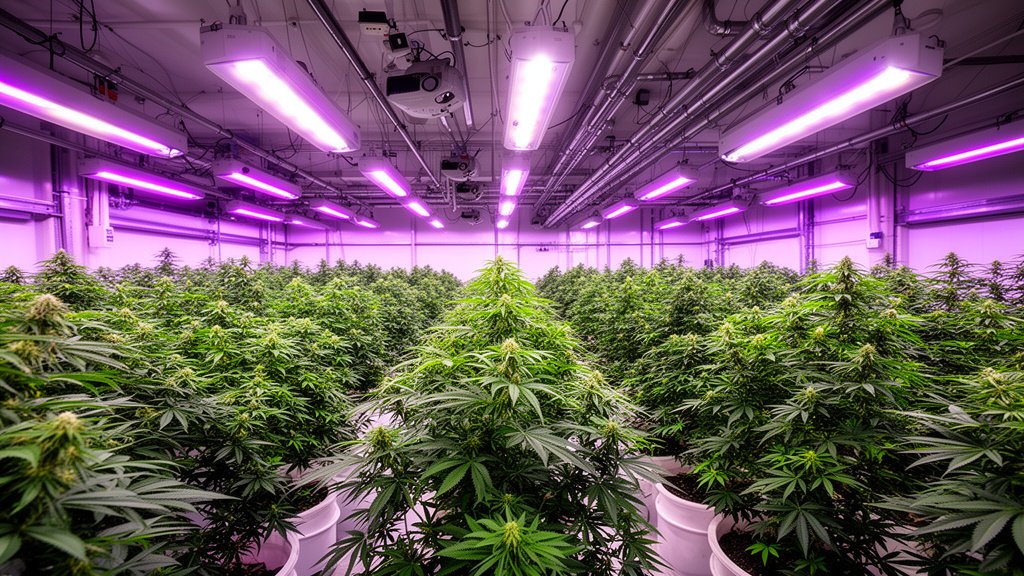
A: Minnesota growers are heavily investing in high-tech, indoor, and greenhouse facilities with advanced HVAC, insulation, and artificial lighting systems to maintain optimal growing conditions year-round, regardless of external weather variables.