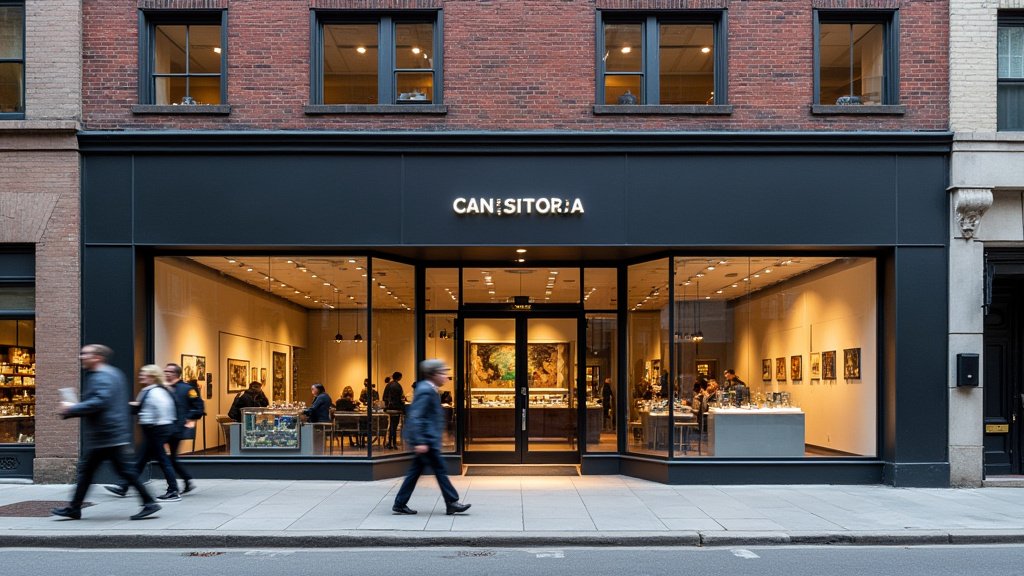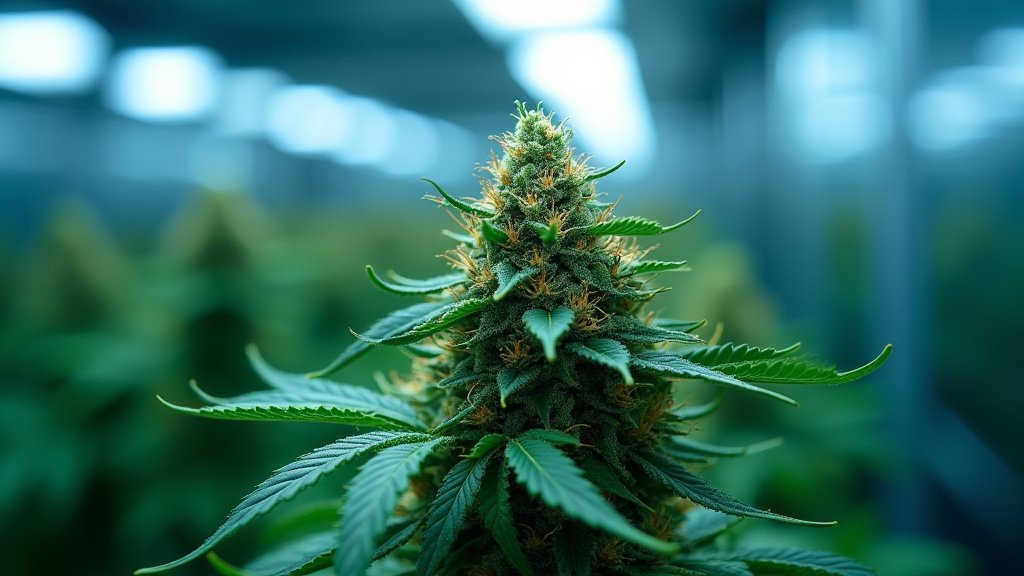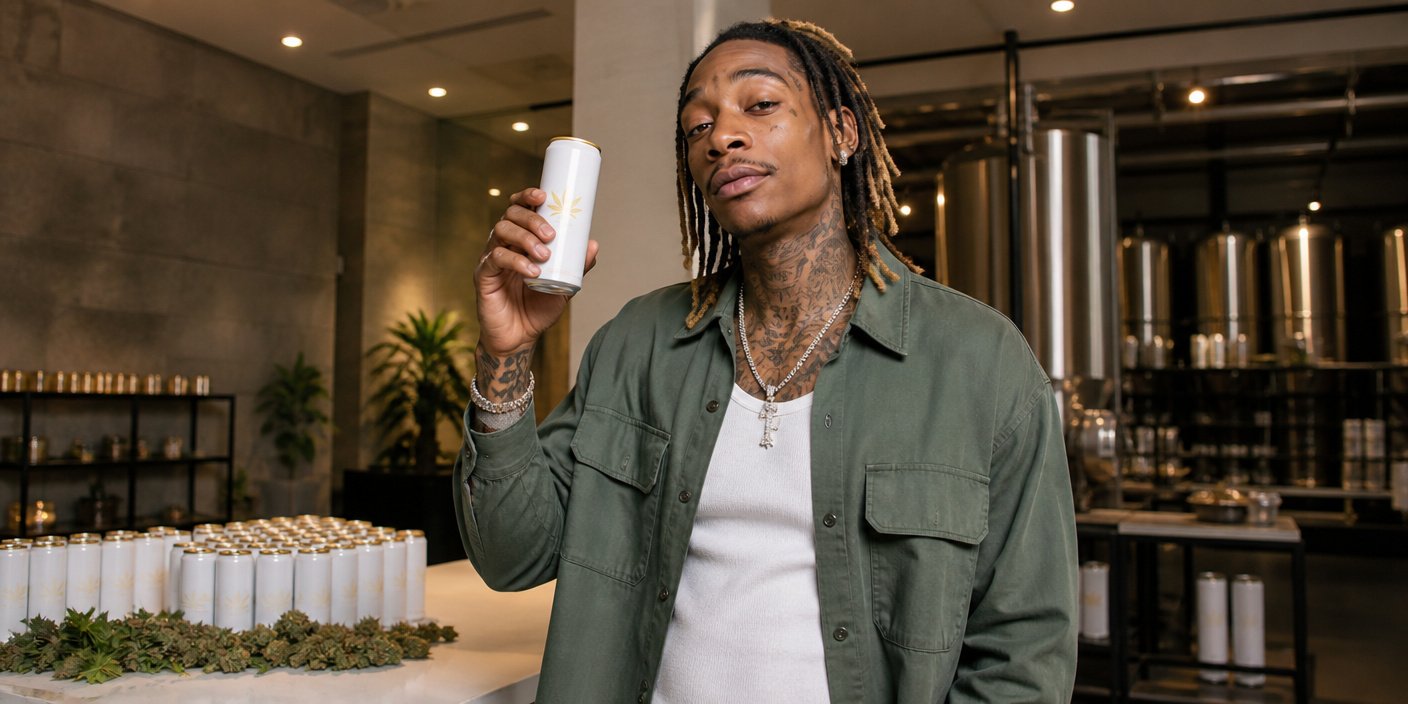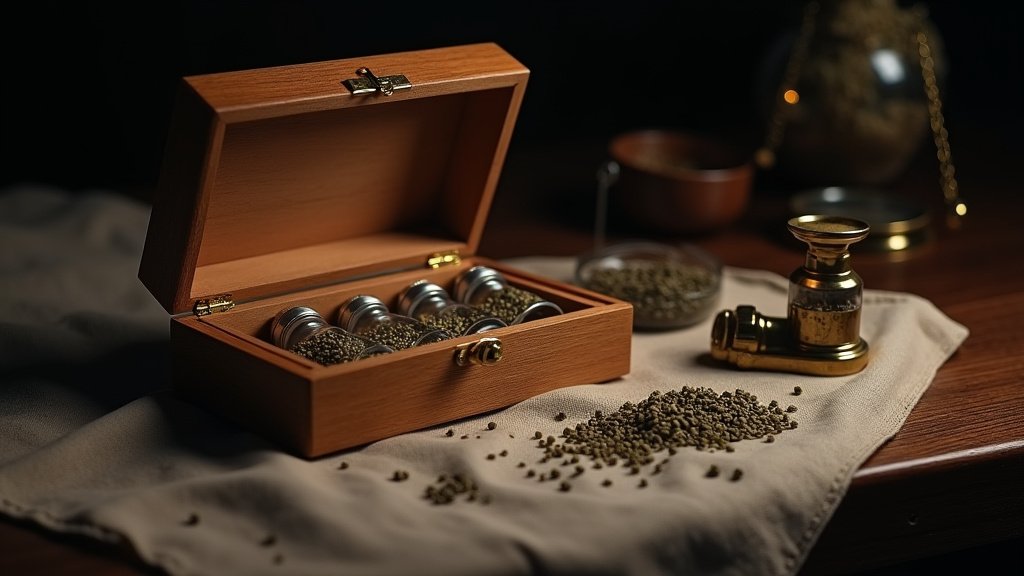
The rapid normalization of cannabis in urban environments has triggered a dramatic shift in how consumers interact with the plant, moving away from simple transactional purchases toward a deep, curated appreciation for boutique genetics. What was once relegated to the illicit ‘legacy market’—a sector defined by secrecy and underground trade—is now undergoing a ‘lifestyle’ revolution. Urban centers, from New York to Los Angeles, are seeing a surge in home cultivation enthusiasts who treat cannabis seeds with the same reverence that oenophiles treat rare wine vintages, prioritizing terroir, lineage, and, most importantly, cultural authenticity.
Key Highlights
- The Genetic Pivot: Urban consumers are increasingly moving away from mass-market dispensary flower, seeking ’boutique’ seeds that allow for personalized, craft-level cultivation.
- Cultural Status: Cannabis genetics have become a new form of cultural capital, where possessing rare or ‘legacy’ strain clones is a status symbol similar to designer streetwear.
- Home Cultivation as Self-Expression: The rise of the ‘home grower’ has transformed cannabis from a commodity into a creative hobby, aligning with broader DIY and sustainability trends in urban living.
- Economic Impact: A specialized secondary market for premium, high-THC, and terpene-rich seeds is providing a legitimate revenue stream for geneticists and independent breeders, fueling a new era of ‘seed-to-table’ culture.
The Evolution of Genetic Legitimacy
For decades, the legacy market operated in the shadows, fueled by dedicated growers who risked their freedom to preserve the genetics that underpin today’s multi-billion-dollar legal industry. This ‘legacy’ foundation—which includes legendary cultivars like OG Kush, Haze, and Sour Diesel—is now being reclaimed, repackaged, and elevated for a new, design-conscious urban generation.
The Shift from Underground to Urban Boutique
In the past, the term ‘legacy’ was used to distance legal operators from illicit ones. Today, the narrative has flipped. The legal industry has often been criticized for its homogenization, where commercial interests prioritize yield and speed over quality and flavor profile. In response, urban consumers are looking backward to move forward. They are turning to boutique seed banks that specialize in ‘heirloom’ genetics, seeking out the specific terpene profiles and nuanced effects that characterized the best of the underground era. This is not just about nostalgia; it is about reclaiming the authenticity of the plant from corporate standardization.
The Rise of the Urban Home Cultivator
Modern urban life is characterized by limited space, high density, and a penchant for hyper-curated home environments. The new wave of urban cannabis cultivation reflects this. With the advent of ‘smart’ grow technology—automated indoor cabinets, IoT-enabled lighting, and hydroponic systems—growing at home has become less about technical expertise and more about lifestyle integration.
These automated systems allow apartment dwellers to cultivate premium-grade cannabis in a footprint no larger than a small bookshelf. For these consumers, the joy is in the process: selecting specific seeds based on their ‘profile’ (much like picking a bean for a bespoke coffee blend), monitoring the growth cycle, and ultimately, producing a product that is entirely personal. It is the ultimate expression of the ‘slow living’ and ‘maker’ movements currently dominating urban culture.
Economic Impact: The Value of Provenance
As the market matures, the economic value is shifting upstream. Where dispensaries once held the power, the focus is turning toward the breeders and the seed banks. Consumers are willing to pay a premium for verified, high-quality genetics. This has created a new ecosystem where provenance is king.
Just as high-fashion houses guard their patterns and designs, elite breeders are treating their genetic lines as intellectual property. This shift has significant economic implications for the urban cannabis landscape. We are seeing a move toward ‘micro-batch’ genetics, where breeders release limited-run seed drops that sell out in minutes. This scarcity model mimics the drop culture of the sneaker industry, creating an intense, engaged community of ‘genetic collectors.’
Cultural Integration: Cannabis as a Lifestyle Accessory
Cannabis is no longer just something you consume; it is part of how you present yourself. The aesthetic of the cannabis lifestyle is increasingly sleek, sophisticated, and integrated into high-end urban design.
Premium seed packaging now features art-forward branding, minimal design, and detailed ‘tasting notes’ that mirror the fine spirits industry. This shift is essential to the plant’s mainstreaming. It moves the discourse away from the tired tropes of stoner counterculture and toward a more mature conversation about wellness, artisan cultivation, and the pursuit of the perfect, personalized sensory experience. When cannabis is treated with the same prestige as artisanal coffee or craft wine, it bridges the gap between ‘legacy’ roots and ‘lifestyle’ aspirations.
The Future: Sustainability and Innovation
Looking ahead, the intersection of urban technology and ancient horticultural knowledge promises to yield even more refined results. We expect to see an increase in ‘phenotype hunting’ at the home level, where individuals cross-breed or select specific traits to suit their own biology and preferences.
Furthermore, the focus on sustainability—using less energy, consuming less water, and reducing the carbon footprint of production—will be the next frontier for urban growers. The ‘lifestyle’ consumer of 2026 and beyond is not just looking for potency; they are looking for ethical, sustainable, and highly personalized cannabis. As we refine these systems, the line between ‘consumer’ and ‘producer’ will continue to blur, making the garden (or the grow cabinet) a standard piece of urban furniture, much like a refrigerator or a kitchen island.
FAQ: People Also Ask
Q: What exactly is the ‘legacy market’ in the context of cannabis?
A: The legacy market refers to the established network of growers, breeders, and sellers who operated before the legalization of recreational cannabis. They are credited with developing the vast majority of the high-quality genetics that form the backbone of the legal industry today.
Q: Why are urban consumers opting to grow their own rather than buying from dispensaries?
A: Beyond the cost savings, home cultivation allows for complete control over the final product. Urban consumers enjoy the ability to select specific genetics (which may not be available in dispensaries), ensure the grow process is organic and clean, and turn cultivation into a rewarding hobby.
Q: Is ’boutique’ cannabis breeding similar to other luxury goods markets?
A: Yes. Much like fine wine, high-end watches, or sneaker culture, the elite cannabis seed market is driven by scarcity, provenance, and branding. Collectors seek out rare genetics, and breeders who maintain high standards of quality are treated with a level of respect akin to fashion designers or chefs.
Q: How do I get started with urban home cultivation?
A: Start by researching your local legal regulations regarding home growth. Then, invest in a pre-assembled, smart grow box designed for small spaces. These systems handle the lighting, ventilation, and watering, making it accessible even for beginners with no horticultural experience.