In a strategic move to address the persistent ‘data desert’ surrounding medical cannabis, Duquesne University’s Nasuti College of Osteopathic Medicine has entered into a formal research partnership with Pittsburgh-based Terra Pharm. This collaboration, which bridges the gap between academic rigor and commercial clinical application, seeks to provide the evidence-based data necessary to validate cannabinoid-based therapies for chronic pain, anxiety, and sleep disorders. By leveraging the university’s research capabilities and the company’s operational infrastructure, this initiative represents a significant step toward integrating medical marijuana into traditional pharmacological frameworks, offering a potential lifeline for patients seeking alternatives to conventional, often addictive, pain management solutions.
Key Highlights
- Academic-Clinical Integration: Duquesne University and Terra Pharm are working under a clinical registrant framework to conduct large-scale, evidence-based research on cannabis efficacy.
- Opioid Crisis Focus: A primary objective is to evaluate how cannabinoid products can serve as viable substitutes to reduce reliance on opioid pain medications for non-cancer chronic pain.
- Filling the Data Gap: The project aims to systematically document patient data and treatment outcomes, an area notoriously under-researched due to federal constraints.
- Technical Innovation: Research will extend beyond raw consumption methods to include the optimization of transdermal medical marijuana formulations for improved therapeutic delivery.
Bridging the Gap: Academic and Industry Synergy
The landscape of medical cannabis in the United States has long been characterized by a paradox: while public sentiment has shifted toward broad acceptance and therapeutic usage, federal classification has stunted rigorous, peer-reviewed study. This is the ‘data gap’ that the partnership between Duquesne University and Terra Pharm intends to close. While cannabis has been legal for medical use in Pennsylvania and many other states for years, the lack of standardized, longitudinal studies has left both clinicians and patients navigating a space filled with anecdotal evidence rather than clinical certainty.
The Clinical Registrant Model
By operating as a clinical registrant—a designation granted by the Pennsylvania Department of Health—Terra Pharm is uniquely positioned to facilitate this research. This status allows the company to operate cultivation and processing facilities that aren’t just for commercial sales, but are purpose-built to provide a controlled supply chain for research. John Kauffman, dean of the Nasuti College of Osteopathic Medicine, leads the initiative, underscoring the shift toward viewing medical cannabis not as a fringe alternative, but as a pharmaceutical intervention that requires the same scrutiny as any other medication.
Why This Research Matters Now
For years, physicians have been hesitant to prescribe medical marijuana due to the absence of dosage guidelines, clear side-effect profiles, and standardized efficacy data. This partnership moves beyond simple patient surveys. It aims to generate rigorous, reproducible data that could eventually influence medical guidelines, insurance coverage, and federal policy. By tracking patient outcomes across the spectrum—from anxiety and sleep disorders to chronic pain management—the research team is effectively building a foundational library of knowledge that has been absent in the current medical paradigm.
Solving the Opioid Dilemma with Cannabinoids
Perhaps the most compelling angle of this research is its potential impact on the national opioid crisis. As the medical community continues to grapple with the dangers of opioid dependency, the search for safe, non-addictive alternatives has never been more urgent. The research team is specifically focusing on individuals suffering from non-cancer chronic pain, a demographic that has historically been over-prescribed opioids.
Data-Driven Alternatives
Initial studies will investigate whether targeted cannabinoid regimens can offer comparable pain relief, allowing patients to taper off opioids or avoid them entirely. This is not merely about substitution; it is about precision. Through data collection, the researchers hope to identify which cannabinoids, in which ratios, and at what delivery methods, provide the most significant analgesic relief without the psychoactive impairment that often deters patients and doctors from cannabis therapies.
Addressing the Patient Experience
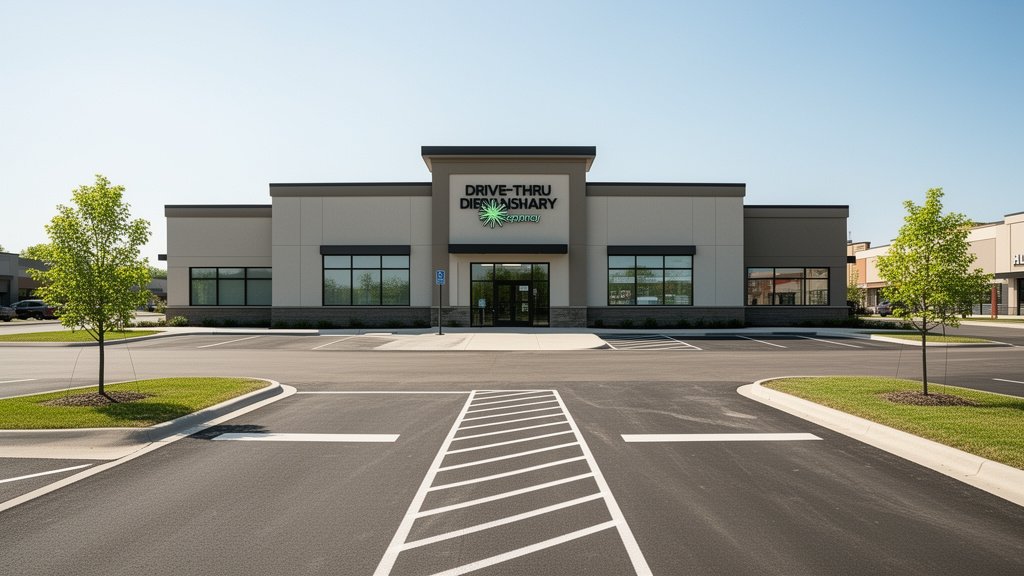
By involving pharmacists and clinicians directly in the dispensary operations—as seen in Terra Pharm’s White Oak and Uniontown locations—the model ensures that the patient experience is being monitored in real-time. This proximity to the point of care allows researchers to observe not just the physiological results, but also the behavioral and subjective improvements in patients’ daily lives, providing a holistic view of the treatment’s value.
Regulatory Hurdles and the Path Forward
Despite the enthusiasm surrounding the collaboration, the path forward remains complex. Cannabis remains a Schedule I controlled substance under federal law, a status that continues to create significant administrative and legal hurdles for any university-affiliated research. Funding for cannabis research has traditionally been scarce because federal grants are often off-limits for projects involving Schedule I drugs.
Navigating the Legal Landscape
This partnership demonstrates a ‘bottom-up’ approach to legitimacy. By working within the state-sanctioned clinical registrant framework, the researchers are creating an island of stability in a sea of federal uncertainty. If they can demonstrate that this model of data collection—even on a state level—produces high-quality, actionable, and safe medical results, it creates a template for other academic institutions. This is essential for building the ‘critical mass’ of evidence needed to force a re-evaluation of federal scheduling policies.
The Future of Policy and Scheduling
Many legal experts and medical advocates argue that the only way to effectively change federal law is through a consistent, mounting body of clinical data. Every study conducted by the Duquesne-Terra Pharm partnership adds to that body. It transforms the conversation from one of ‘cannabis advocacy’ to ‘evidence-based medicine,’ a language that regulatory bodies and federal agencies are far more comfortable speaking.
Beyond the Plant: Optimizing Transdermal Delivery
While oral consumption and inhalation have been the primary methods of medical marijuana delivery, the research team is casting a wider net. One of the specific research tracks mentioned involves the optimization of transdermal formulations. This is a critical technological step forward.
The Benefit of Transdermal Technology
Transdermal delivery—think patches or specialized topical creams—allows for a slow, controlled release of medication directly into the bloodstream or the affected localized area, bypassing the liver’s metabolic process. This avoids the ‘peak and valley’ effect of oral ingestion and the potential respiratory risks of inhalation. By engineering stable, predictable transdermal products, researchers can achieve more consistent dosing, which is the ‘holy grail’ of medical cannabis. If they can refine these formulations, it will drastically increase the acceptability of medical cannabis in conservative medical circles, where precision and predictability are paramount.
FAQ: People Also Ask
1. Why is this partnership considered ‘groundbreaking’ for medical cannabis research?
It is groundbreaking because it formalizes a direct pipeline between commercial cannabis production and university-led academic research. By utilizing the ‘clinical registrant’ framework, it allows for controlled, longitudinal data collection on patients, which is the missing link in turning cannabis into a standardized medical treatment.
2. How does this research address the opioid crisis?
The primary clinical focus is on chronic pain management. By testing whether cannabis can effectively manage pain in patients who would otherwise require opioids, the study aims to provide evidence that could support using cannabinoids as a safer, non-addictive, first-line alternative to opioids.
3. What are the main barriers to this kind of research?
The biggest barrier is the federal classification of cannabis as a Schedule I drug, which restricts funding, requires extensive permitting, and prevents many universities from engaging in research. This partnership works within state-level legal structures to circumvent these traditional barriers.
4. What is the goal of the ‘transdermal’ research mentioned?
Transdermal research aims to create medical products that deliver medication consistently over time, avoiding the fluctuations associated with inhalation or oral ingestion. Achieving a stable, metered dose is essential for clinical acceptance and safety standards.