ST. PAUL, MN – The state of Minnesota took a significant step towards establishing its regulated adult-use cannabis market this week, with the issuance of the very first business license by the Minnesota Office of Cannabis Management (OCM).
On Wednesday, June 18, 2025, the OCM announced it had granted the inaugural license to Herb Quest, LLC, a microbusiness based in Brook Park. This pivotal moment marks the formal commencement of commercial operations within the state’s new legal framework.
A Landmark Issuance
Herb Quest, LLC, which plans to initially focus on outdoor cannabis cultivation, is among the first entities navigating Minnesota’s complex regulatory landscape. The company received a license designated with a social equity classification. This classification is a cornerstone of the state’s cannabis legislation, designed to provide opportunities and support to individuals and communities disproportionately affected by past cannabis prohibition laws. Specifically, the social equity program aims to assist veterans, individuals with past cannabis-related convictions or who are family members of those impacted, and residents of high-poverty areas.
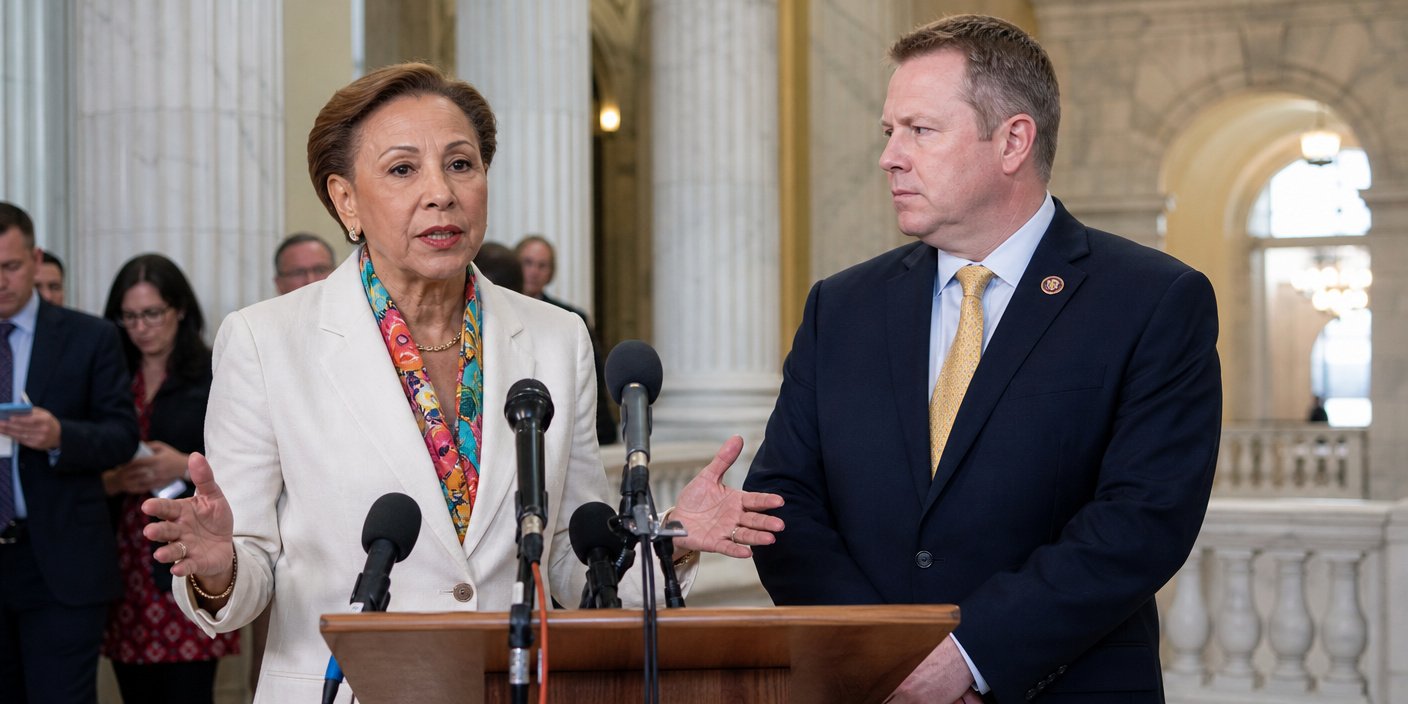
Interim Director Eric Taubel of the OCM highlighted the importance of this development. “Issuing this first license is a major milestone for the State of Minnesota and the Office of Cannabis Management,” Taubel stated in the announcement. He emphasized that this issuance is the culmination of significant planning and application processing efforts.
The Path to Licensure
The issuance to Herb Quest follows the OCM’s initial license lotteries, which were conducted approximately two weeks prior to this announcement. The lottery process is part of the mechanism the state is using to manage the initial influx of applicants and ensure a fair opportunity for prospective businesses to enter the market.
While Herb Quest is the first to receive formal licensure, the OCM indicated that a substantial number of other applicants are close behind. According to Interim Director Taubel, there are over 600 businesses currently in the final stages of completing their applications and securing necessary local approvals. This indicates a robust level of interest in the Minnesota cannabis market and suggests that more licenses are expected to be issued in the coming weeks and months across various categories, including cultivation, manufacturing, retail, and testing.
Social Equity at the Forefront
The emphasis on a social equity classification for the first license underscores the state legislature’s intent to build an inclusive cannabis industry. By prioritizing businesses like Herb Quest that meet the criteria for this classification, Minnesota aims to address historical inequities and ensure that individuals and communities harmed by past drug policies have a genuine opportunity to participate in and benefit from the new market. The success of these social equity businesses is seen as crucial for fulfilling the legislative goals of the state’s cannabis program.
The specific focus of Herb Quest on outdoor cultivation also provides insight into the diverse business models emerging within the state. Outdoor growing can offer advantages in terms of scalability and environmental impact compared to energy-intensive indoor operations, though it is also subject to seasonal limitations.
Broader Context and Future Outlook
The OCM’s process involves complex regulatory steps, including background checks, verification of application details, and coordination with local municipal authorities who must also grant approvals before a business can commence operations. The mention of the White Earth Band in the context of the OCM’s activities highlights the state’s engagement with tribal nations regarding the implementation of the cannabis law, acknowledging the unique legal and regulatory considerations involving sovereign tribal lands within the state.
The issuance of this first license represents more than just a bureaucratic step; it signals to entrepreneurs, investors, and the public that Minnesota’s legal cannabis market is transitioning from legislative text to economic reality. While significant work remains – including the full build-out of cultivation facilities, processing centers, and retail dispensaries, as well as the ongoing development of regulations – this first license is a tangible marker of progress.
The journey from prohibition to a regulated market is multi-faceted, involving intricate legal, social, and economic considerations. The OCM’s action this week in licensing Herb Quest, LLC, serves as a foundational moment for what is anticipated to become a significant new sector of Minnesota’s economy, built with a specific focus on equity and access for those most affected by the policies of the past.