Tallahassee, Florida – Major players in Florida’s established medical marijuana sector, including industry heavyweights like Curaleaf and Trulieve, are strategically shifting their focus and resources towards the state’s burgeoning, and largely unregulated, hemp market. This pivot signals a significant transformation within Florida’s evolving cannabis landscape, driven by a confluence of market pressures, regulatory hurdles, and the pursuit of new revenue streams.
The Strategic Pivot
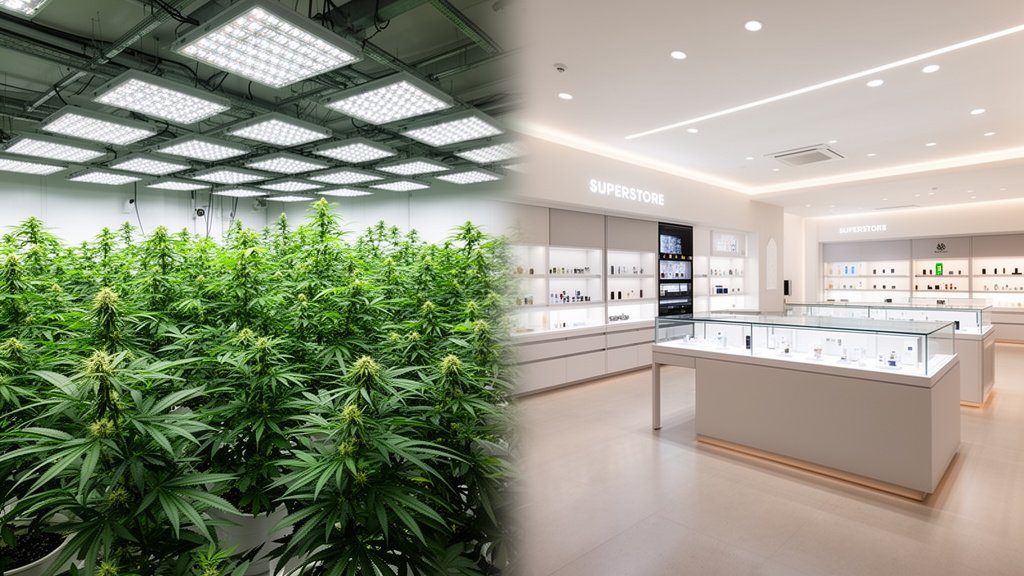
The move comes as many medical marijuana operators face increasing difficulties. Heightened competition has compressed margins, and the anticipated expansion of the market through recreational legalization suffered a major setback with the failure of a proposed constitutional amendment for recreational cannabis in November. Obtaining a medical marijuana license in Florida remains an extraordinarily costly and complex process, often running into tens of millions of dollars. In stark contrast, setting up a retail presence in the hemp market is significantly faster and cheaper, lowering the barrier to entry for established companies looking to expand their footprint.
This strategic reorientation is prompting companies previously solely focused on the medical sector to embrace a broader portfolio that includes products derived from hemp.
Targeting the Beverage Market
A key area of focus for these companies is the rapidly growing demand for hemp-infused beverages. These products are increasingly popular among consumers seeking a ‘buzz’ described as similar to alcohol, but often without the same regulatory or social implications. This trend is attracting significant investment and innovation from the medical cannabis industry.
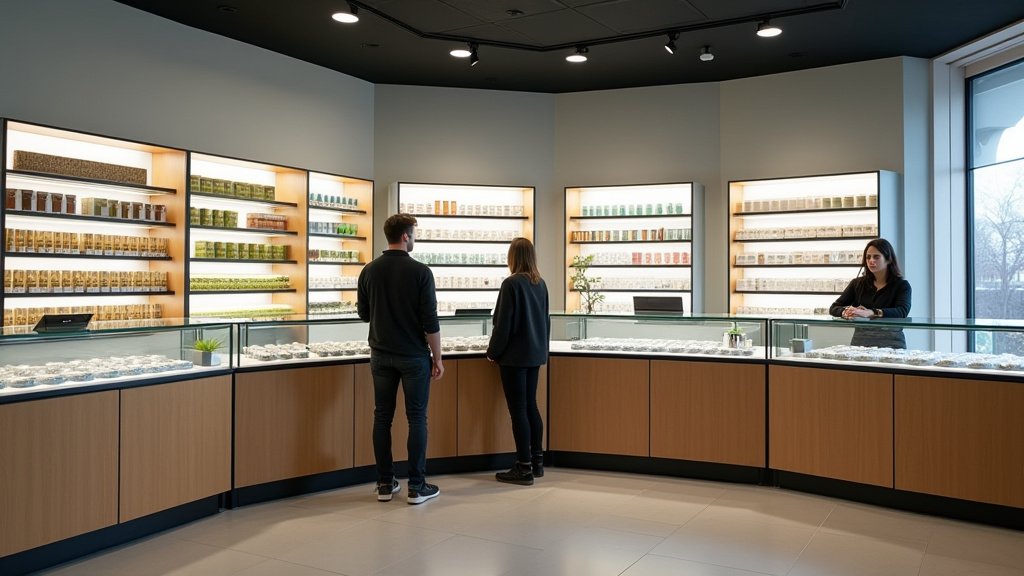
Curaleaf, for instance, has explicitly entered this space with the launch of The Hemp Co., a new venture dedicated to hemp products. Demonstrating the seriousness of this commitment, the company has converted one of its existing dispensaries into a hemp-only retail store, signaling a clear intent to capture market share in this category. Similarly, Trulieve, which spent approximately $145 million in support of last year’s recreational marijuana proposal, is also actively involved in the THC-beverage market and has publicly stated its support for a similar measure targeting the 2026 ballot.
Regulatory Landscape and Market Dynamics
The appeal of the hemp market is underscored by its starkly different regulatory environment compared to medical cannabis. While medical marijuana is tightly controlled, Florida’s hemp business remains largely unregulated. This lack of stringent oversight, while presenting opportunities, also creates a ‘crazy crowded’ market, according to industry observers.
Ironically, many medical marijuana companies previously advocated for stricter regulations on the hemp industry, viewing it as unfair competition. However, the current market realities have led some to adopt an ‘if we can’t beat them, we’re gonna join them’ approach. By entering the hemp space, these companies aim to build brand recognition and expand their retail footprint rapidly and cost-effectively.
Efforts to introduce more stringent hemp regulations have faced political resistance. Governor Ron DeSantis notably vetoed legislation aimed at implementing stricter hemp controls two years ago, and a similar proposal failed to pass during the recent spring legislative session, leaving the regulatory landscape largely unchanged.
Pressures in the Medical Sector
The pivot to hemp is also a direct response to mounting pressures within the established medical marijuana market. The value of Florida medical marijuana licenses has significantly decreased from their peak. Furthermore, the planned expansion of the medical market, which would introduce new competitors, is currently partially on hold. There are 22 additional licenses pending, tied up in litigation, further adding to the market’s uncertainty and competitive intensity. These factors collectively make the faster, cheaper expansion opportunities in the hemp sector increasingly attractive.
Conclusion
The strategic shift by Florida’s leading medical marijuana companies into the unregulated hemp business marks a pivotal moment in the state’s cannabis industry evolution. Driven by a challenging medical market, the failure of recreational legalization efforts, and the allure of less regulated, faster-growing sectors like hemp-infused beverages, these companies are redrawing the competitive map. The trajectory of this pivot will likely shape future market dynamics and could influence regulatory debates surrounding both medical cannabis and hemp in the years to come.