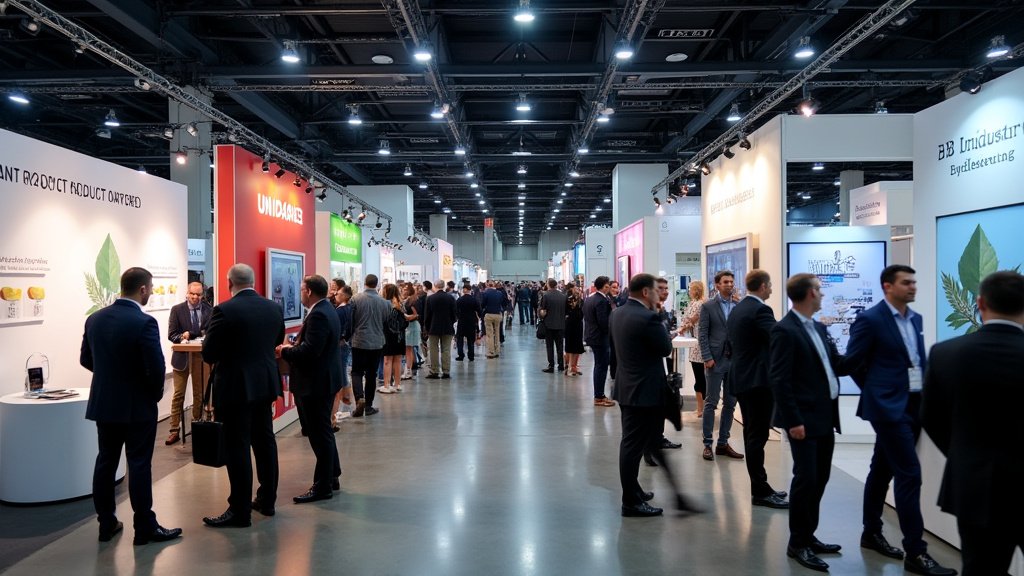
Today, October 15, 2026, the MJ Unpacked conference in Kansas City draws to a close, marking the final day of a pivotal gathering for the cannabis industry. This three-day event has successfully served as a nexus for licensed operators, high-level brand executives, and institutional investors, setting a tone of professional rigor for the remainder of the fiscal year.
Key Highlights
- B2B Exclusivity: Unlike consumer-facing festivals, MJ Unpacked maintains a strict B2B focus, ensuring that conversations remain centered on supply chain, scalability, and capital allocation.
- Midwest Momentum: The selection of Kansas City underscores the growing importance of the Midwest as a critical corridor for cannabis expansion and regulatory development.
- Innovation Showcases: The event featured exclusive presentations on brand differentiation, with a specific focus on navigating saturated markets through product innovation.
- Networking & Capital: Institutional investors and brand executives held private sessions aimed at identifying the next wave of profitable, license-compliant operations.
The Heartland’s Cannabis Catalyst: Redefining Professional Standards
The landscape of the modern cannabis industry has undergone a seismic shift, moving away from the chaotic expansion of previous years toward a structured, data-driven environment. The MJ Unpacked Kansas City event has been a masterclass in this professional transition. By limiting access to industry professionals, organizers have curated an environment where high-stakes networking can occur without the noise and distraction of public-facing activations. As the final day progresses, the sentiment on the floor is one of guarded optimism, characterized by a focus on sustainable growth over rapid, unsustainable expansion.
Scaling Within Regulatory Frameworks
One of the dominant themes throughout the conference has been the challenge of operating across varying state regulatory frameworks. As licensed operators face increasing scrutiny, the discourse at MJ Unpacked shifted toward “compliance as a competitive advantage.” Executives discussed strategies for navigating complex licensing landscapes in the Midwest, a region that has become a hotbed for rapid, but cautious, market development. Speakers emphasized that the companies best positioned for long-term success are those that have invested heavily in robust compliance infrastructure and transparent reporting practices.
Bridging the Capital Gap
Perhaps the most significant element of this year’s MJ Unpacked is the heavy participation of the investor community. For many startups, the “Green Rush” funding era has stalled, replaced by a more discerning, rigorous investment climate. The event facilitated direct dialogue between brand owners and capital providers. Unlike typical expos, the sessions here were designed for deal flow; brand executives presented concrete financial roadmaps rather than aspirational growth charts. This change in tone signals a maturation of the cannabis business model, where profitability is now a prerequisite, not an afterthought.
Technological Integration and Product Innovation
Beyond the boardroom, the innovation floor highlighted a significant leap in technological application. From supply chain tracking software to advanced extraction equipment, the focus has moved to operational efficiency. Many attendees noted that the product showcases were more sophisticated than in previous years, focusing on consumer-packaged-goods (CPG) standards that align with traditional retail sectors. The integration of data analytics into product development was a recurring topic, with brands showcasing how consumer behavior insights are being used to tailor terpene profiles and delivery methods to specific market segments.
The Future of the Midwest Corridor
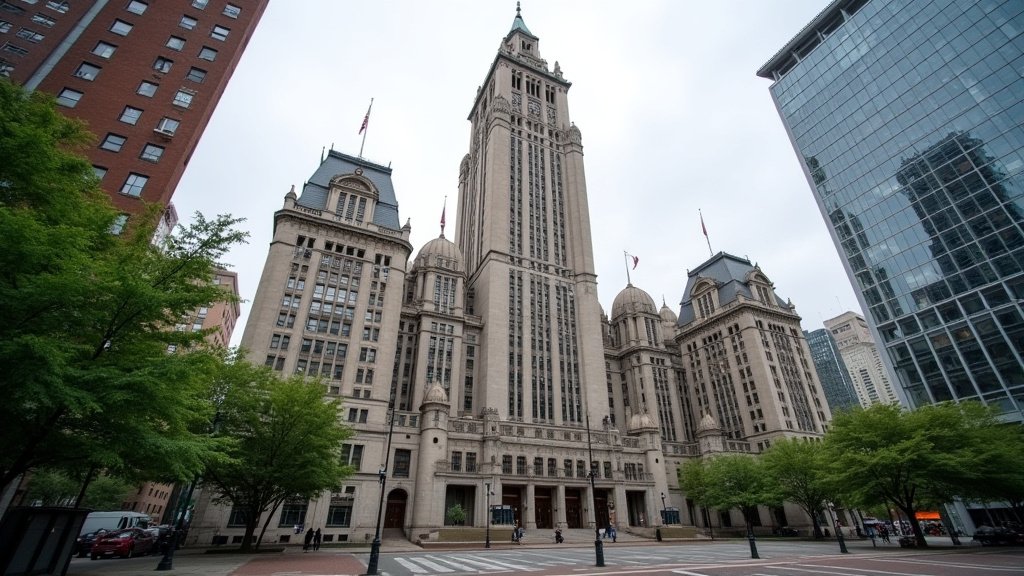
Kansas City’s role as the host city is no coincidence. It represents the untapped potential of the American heartland. While the coasts have dominated the industry’s first decade, the Midwest is now emerging as the critical production and distribution hub. The insights shared during the three-day event suggest that we are entering a phase of regional consolidation. Brands that can successfully dominate the Midwest corridor are likely to become the national standard-bearers of the next five years. This conference has provided the roadmap for that regional dominance, centering on logistics, manufacturing prowess, and strategic partnerships.
FAQ: People Also Ask
Q: Why is MJ Unpacked considered a B2B-only event?
A: MJ Unpacked is designed to facilitate high-level networking and deal-making between licensed operators, executives, and investors. By excluding the general public, it fosters a focused environment free from the distractions of consumer marketing, allowing for more productive, substantive industry discourse.
Q: Why was Kansas City selected for this conference?
A: Kansas City acts as a strategic hub for the Midwest cannabis market. As the industry shifts toward regional distribution and manufacturing, Kansas City offers a central location for operators to connect, optimize logistics, and align on regulatory compliance across multiple state lines.
Q: What is the primary takeaway for cannabis investors from this event?
A: The primary takeaway is the shift toward “operational maturity.” Investors are prioritizing companies with clear, compliant, and sustainable business models that demonstrate consistent revenue and effective cost management over speculative, high-growth expansion strategies.
Q: How does this conference differ from other cannabis trade shows?
A: Unlike larger, public-facing trade shows that emphasize product marketing and consumer engagement, MJ Unpacked prioritizes the business-to-business infrastructure of the industry—capital acquisition, regulatory maneuvering, and supply chain scalability.