Thailand’s bold move to decriminalize cannabis in 2022 is facing severe backlash. The nation was the first in Asia to take this step. Hopes were high for economic revival. However, the reality proved different. A runaway industry emerged. Recreational use surged. This boom has created widespread concern. Particularly troubling is the impact on children.
A Policy Gone Astray
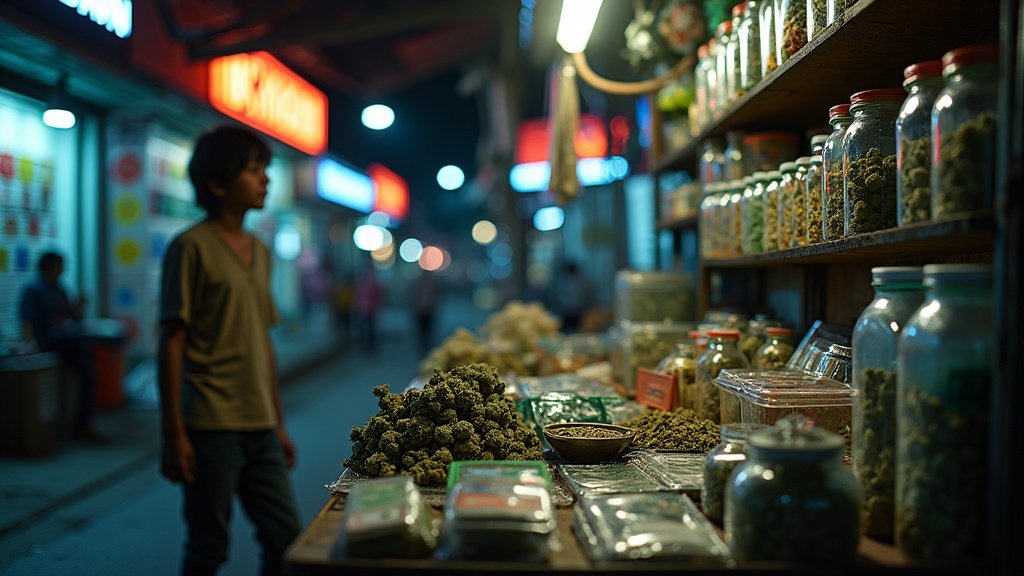
Thailand initially envisioned a regional hub for medical cannabis. It hoped for tourism growth. Farmers expected a new cash crop. Instead, the policy opened a Pandora’s Box. Thousands of shops selling cannabis products appeared. The smell of cannabis became common in cities. This rapid expansion happened quickly. It occurred without clear regulations. A gray area allowed for recreational use. This was despite the policy’s medical focus.
Growing Concerns Over Youth
A major point of contention is youth cannabis use. Studies show a significant rise. Recreational use increased dramatically. One 2024 study revealed a tenfold jump. This was from 1.2 million users in 2020 to 11.1 million in 2022. Medical use saw a smaller increase. This trend alarms many. Experts warn developing brains are vulnerable. Some youth self-medicate for depression. This can worsen their conditions.
Health and Social Impacts
Doctors report rising hospital admissions. Cases of cannabis dependence increased sharply. Cannabis-induced psychosis also surged. This rise prompts public worry. A 2024 poll showed strong support for re-criminalization. Over two-thirds of Thais favored this. The Youth Network Against Cannabis petitioned the government. They gathered 200,000 signatures. They urged overturning decriminalization. The current situation strains public health.
Tourism and Economic Repercussions
Tourism groups expressed worries. They feared losing high-spending visitors. The ubiquitous smell of cannabis deterred some. This affected Thailand’s image. Families felt unsafe in some areas. Strict rules are now proposed. These aim to protect children. They also seek to curb public nuisance. The government is considering new legislation. This news comes as political elections loom.
Industry Faces Uncertainty
An estimated 18,000 cannabis sellers emerged. New rules require licenses. Many businesses struggle to comply. Some shops failed to renew licenses. Around 7,000 did not reapply by late 2025. Stricter rules mean higher costs. Some businesses see opportunity. They believe regulations can improve quality. Companies like Shaggy Buds are adapting. They plan new stores for compliance. However, many face an uncertain future. Some entrepreneurs feel abandoned. The industry’s economic benefits are debated. One advisor stated no positive economic impact.
A Policy Shift Expected
Political parties are now reviewing policy. Many promised stricter controls. Some aim to restrict use to medical purposes. This reflects growing public sentiment. The initial goal was economic gain. The reality brought unintended consequences. These include health issues and social disorder. Thailand may soon re-criminalize cannabis. This would reverse its 2022 decision. The nation watches closely. The news signals a potential shift. This is a significant development. The cannabis trend is being re-evaluated.