Embarking on your first cannabis cultivation journey is an exciting prospect, offering the reward of homegrown, quality bud. This guide demystifies the process for beginners, focusing on essential steps from seed to harvest.
Key Highlights:
- Selecting the right strain is crucial for beginners, with autoflowering varieties often recommended for their ease of care.
- Indoor growing provides more control over environmental factors like light, temperature, and humidity.
- Proper nutrient management is vital, requiring a balance of macronutrients (N-P-K) and micronutrients.
- Understanding the plant’s life cycle, including vegetative and flowering stages, ensures optimal growth and yield.
- Harvesting at the right time, typically indicated by trichome color, maximizes potency and cannabinoid profiles.
The Budding Botanist: Your Indoor Cannabis Cultivation Blueprint
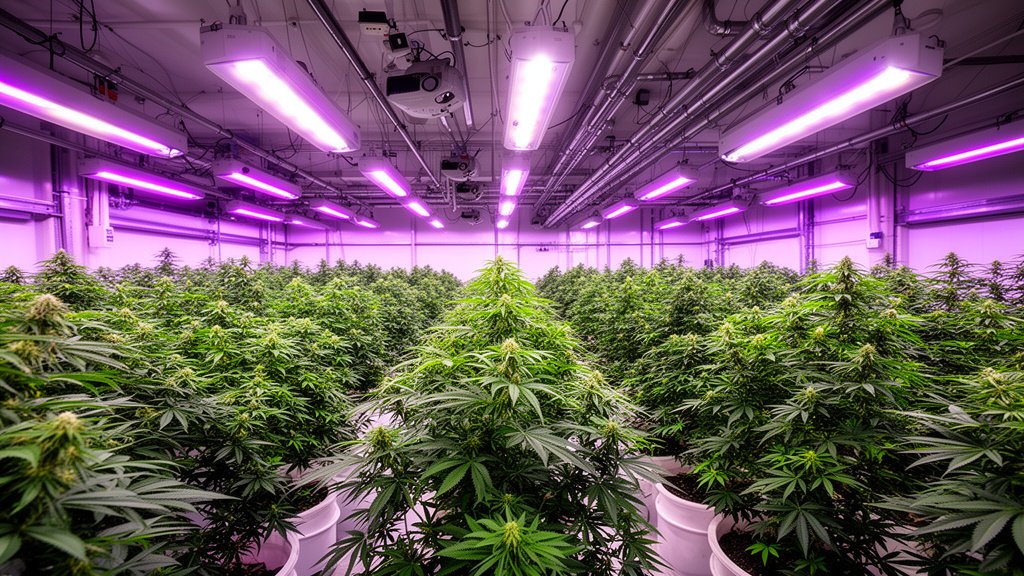
For the novice grower, the prospect of cultivating cannabis can seem daunting, but with a structured approach and attention to detail, success is well within reach. The journey begins with a fundamental understanding of the plant’s needs and the environment it thrives in. Indoor cultivation offers a controlled sanctuary for your plants, shielding them from unpredictable outdoor conditions and pests, allowing you to meticulously manage every variable.
Strain Selection: The Seed of Success
Choosing the right strain is paramount for a successful first grow. Beginners are often advised to start with autoflowering strains. Unlike photoperiod strains that require specific light cycles to trigger flowering, autoflowers automatically transition from vegetative growth to bloom based on age, typically within 8-10 weeks from germination. This simplifies the lighting schedule considerably. Sativa-dominant hybrids can offer uplifting effects, while Indica-dominant strains tend to be more relaxing. Researching strain characteristics, including THC and CBD levels, growth patterns, and potential yields, will help you select a variety that aligns with your preferences and growing capabilities.
Environmental Control: Crafting the Perfect Climate
An indoor grow tent or a dedicated grow room provides the ideal controlled environment. Key factors to manage include:
- Lighting: High-quality LED grow lights are energy-efficient and provide a full spectrum of light necessary for both vegetative growth and flowering. Aim for a light intensity of 30-50 watts per square foot for optimal results.
- Temperature: The ideal temperature range for cannabis growth is between 70-85°F (21-29°C) during the day and slightly cooler at night. Consistent temperature is key.
- Humidity: Maintain humidity levels between 40-60% during vegetative growth and lower them to 40-50% during the flowering stage to prevent mold and mildew.
- Air Circulation: Proper ventilation is crucial. Use oscillating fans to ensure air movement within the canopy, which strengthens stems and helps prevent stagnant air pockets. An exhaust fan system with a carbon filter is recommended to manage odor.
Nutrient Management: Feeding Your Flora
Cannabis plants are heavy feeders, especially during their flowering stage. They require a balanced diet of macronutrients – Nitrogen (N), Phosphorus (P), and Potassium (K) – along with essential micronutrients. Start with a reputable cannabis-specific nutrient line designed for beginner growers. It’s essential to follow the manufacturer’s feeding schedule, but always observe your plants for signs of nutrient deficiencies or excesses. Overfeeding is a common mistake; it’s often better to underfeed slightly than to overfeed. Flushing the plants with plain pH-balanced water for the last week or two before harvest helps remove excess nutrient salts, improving the final taste and smoothness of the buds.
The Grow Cycle: Vegetative to Flowering
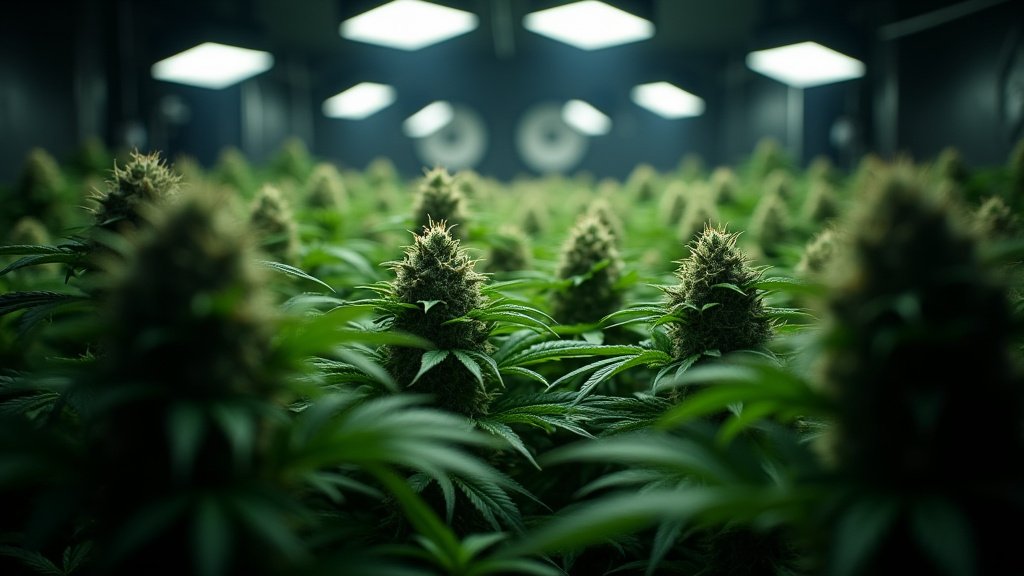
Cannabis plants have two primary growth phases: vegetative and flowering. The vegetative stage is when the plant focuses on developing its root system, leaves, and branches. This stage can last anywhere from 3 weeks to several months, depending on the strain and grower’s preference for plant size. Once the plant reaches the desired size, growers switch the light cycle (for photoperiod strains) or allow the autoflower to naturally progress into the flowering stage. During flowering, the plant will begin to produce buds. This phase typically lasts 6-10 weeks, during which time bud development and resin production are at their peak. Monitoring trichome development with a jeweler’s loupe is the most accurate way to determine readiness for harvest.
FAQ: People Also Ask
What are the easiest cannabis strains for beginners to grow?
Autoflowering strains like Northern Lights Auto, Blue Dream Auto, and AK-47 Auto are generally recommended for beginners due to their fast growth cycle and resilience. They don’t require changes in light cycles to begin flowering, making them more forgiving.
How much light does a beginner cannabis plant need?
For indoor grows, high-quality LED grow lights are recommended. A general guideline is to provide 30-50 watts of LED power per square foot of growing space. Ensure the light provides a full spectrum suitable for both vegetative and flowering stages.
When is the best time to harvest cannabis?
The best time to harvest is typically determined by observing the trichomes (the tiny, mushroom-shaped resin glands on the buds) with a magnifying tool. When most trichomes are milky white with a few amber ones appearing, the THC content is generally at its peak.
How often should I water my cannabis plants?
Watering frequency depends on several factors, including pot size, plant size, temperature, and humidity. A good rule of thumb is to water when the top inch of soil feels dry to the touch. Allow the water to drain from the bottom of the pot to ensure the entire root ball is hydrated.
What is ‘flushing’ in cannabis cultivation?
Flushing is the process of watering the plants with plain, pH-balanced water for the last 1-2 weeks before harvest. This removes excess nutrient salts from the soil and plant tissues, which can improve the taste and smoothness of the final product.